GUIDE

Impetigo in Babies

Impetigo is a bacterial infection that looks like honey-colored crusty sores. It's very contagious but easy to treat with antibiotics.

Those crusty, oozing sores around your baby's mouth showed up fast and look terrible. The good news is that impetigo responds quickly to treatment. The important thing is keeping it from spreading.

What Impetigo Is

Impetigo is a superficial bacterial skin infection caused by Staphylococcus aureus or Group A Streptococcus — the same bacteria behind staph infections and strep throat. It is the most common bacterial skin infection in children, and it is extremely contagious.

The classic presentation is hard to miss once you know what to look for: small red bumps that quickly turn into fluid-filled blisters, which then rupture and form the signature honey-colored crust. It looks like someone smeared dried honey on your baby's face. It typically starts around the mouth and nose but can spread to any part of the body your baby touches with contaminated fingers.

Impetigo needs the bacteria to enter through a break in the skin — a scratch, cut, insect bite, or eczema patch. This is why it is so common in babies: they scratch themselves, they have eczema, they get bug bites, and they put their hands everywhere. The bacteria find a way in.


Types of Impetigo
Non-Bullous Impetigo (classic)
What It Looks LikeStarts as small red bumps → quickly develops into blisters → blisters rupture → honey-colored crusted sores
WhereAround the mouth and nose (most common), but can appear anywhere on the body
TreatmentTopical mupirocin (Bactroban) for limited cases. Oral antibiotics for widespread or resistant cases.
Bullous Impetigo
What It Looks LikeLarge, fluid-filled blisters (bullae) that are fragile and rupture easily, leaving raw, weeping areas
WhereAnywhere — trunk, arms, legs, diaper area
TreatmentOral antibiotics usually required. More common in newborns and infants.
Ecthyma (deep impetigo)
What It Looks LikePunched-out ulcers covered by thick, dark crust. Goes deeper than regular impetigo into the dermis.
WhereLegs, feet, buttocks
TreatmentOral antibiotics required. May scar. See pediatrician promptly.
Classic (non-bullous) impetigo is by far the most common. Bullous impetigo is more common in infants. Ecthyma is the deepest and most likely to scar.

How to Prevent Spreading

The most important thing about impetigo management is not the treatment — it is the containment. This infection spreads easily to other body parts and other people.

Preventing Impetigo from Spreading
Cover the sores
DetailsLoosely bandage or cover the sores with gauze to prevent contact. Change the covering when it gets soiled.
Wash hands — a lot
DetailsWash your baby's hands frequently. Wash your own hands after touching the sores or applying medication. This is the most important prevention step.
Separate towels and bedding
DetailsDo not share towels, washcloths, pillowcases, or clothing with other family members until the sores are healed. Wash linens in hot water.
Trim fingernails short
DetailsShort nails reduce the ability to scratch sores open and spread the bacteria to other body parts via scratching.
Clean the sores gently
DetailsSoak off crusts with warm water and a soft cloth before applying topical antibiotic. Removing the crust allows the medication to reach the infection.
Complete the antibiotics
DetailsFinish the entire course of antibiotics even if the sores look better after a few days. Stopping early increases the risk of recurrence and antibiotic resistance.
The 24-48 hour antibiotic window is when you need to be most vigilant about spreading. After that, the bacteria are dying off and the risk drops significantly.
Daycare Return Timeline
Diagnosis
Daycare StatusChild should stay home. Notify daycare.
Home CareStart antibiotics as prescribed. Cover sores.
24 hours on antibiotics
Daycare StatusMost daycares allow return after 24 hours on antibiotics — check your specific policy.
Home CareSores are beginning to dry. Keep covering them.
48-72 hours
Daycare StatusSores should be noticeably improved. Crusts drying.
Home CareContinue antibiotics. Continue hygiene measures.
5-7 days
Daycare StatusSores should be mostly healed.
Home CareComplete full antibiotic course (usually 7-10 days for oral).
7-10 days
Daycare StatusFully cleared. Normal activity.
Home CareAntibiotics complete. Monitor for recurrence.
Check your specific daycare's policy — most require 24 hours of antibiotics plus no new or draining sores.
tinylog medication tracking showing antibiotic dose log

Track the antibiotic doses so you don't miss one at 3 AM.

Antibiotics need to be given on schedule, and sleep deprivation makes it hard to remember if you already gave the morning dose. Log each medication dose in tinylog with timestamps so you never double-dose or miss one.

Download on the App StoreGet It On Google Play

Warning Signs — See Your Pediatrician

  • Sores are spreading despite 48 hours of antibiotic treatment
  • Red streaks spreading outward from the sores — possible cellulitis
  • Fever develops — suggests deeper or systemic infection
  • Sores are deep, ulcerated, and painful — may be ecthyma
  • Baby develops facial or eyelid swelling near the sores
  • Dark-colored urine or decreased urination weeks after strep impetigo — rare but possible kidney involvement

Impetigo that is not responding to treatment or is accompanied by fever needs re-evaluation. Complete the full course of antibiotics to prevent recurrence.

Tips for Managing Impetigo

This is not a hygiene problem

Impetigo is caused by bacteria that are everywhere — on the skin, in the environment, in the noses of healthy people. It enters through a break in the skin, which in babies is usually a scratch, insect bite, or eczema patch. Clean babies get impetigo. It is not a reflection of how you care for your child.

Soak off the crusts first

Before applying topical antibiotic, use a warm, wet cloth to gently soak and remove the honey-colored crusts. If you apply medication on top of the crust, it cannot reach the infection underneath. Be gentle — do not scrub. Soak and let the crust soften and lift off.

Watch for it near eczema patches

Eczema-damaged skin is an open door for impetigo bacteria. If your baby has eczema and you notice honey-colored crusting on or near eczema patches, that is likely impetigo superinfection. Tell your pediatrician — the eczema management and impetigo treatment need to happen simultaneously.

Recurrence is common

About 20% of children with impetigo have recurrence within a few weeks. If it keeps coming back, your pediatrician may check for nasal carriage of staph (bacteria living in the nostrils that keep reinfecting) and treat with mupirocin nasal ointment.

Related Guides

  • Baby Rash Types — Visual guide to every rash your baby might get
  • Baby Eczema — Broken eczema skin is a common entry point for impetigo
  • Eczema Herpeticum — Another infection that can complicate eczema
  • Chickenpox — Chickenpox blisters can become secondarily infected with impetigo
  • Ringworm — Another common skin infection in children

Sources

  • American Academy of Pediatrics (AAP). (2024). Impetigo. HealthyChildren.org.
  • Hartman-Adams, H., et al. (2014). Impetigo: Diagnosis and Treatment. American Family Physician, 90(4), 229-235.
  • Stevens, D. L., et al. (2014). Practice Guidelines for the Diagnosis and Management of Skin and Soft Tissue Infections. Clinical Infectious Diseases, 59(2), e10-e52.

Medical Disclaimer

This guide is for informational purposes only and is not a substitute for professional medical advice. Impetigo requires antibiotic treatment prescribed by your pediatrician. If sores are spreading, your baby has a fever, or treatment is not working, seek medical care.

Get this guide in your inbox.
We'll email you this guide so you know the contagion timeline and treatment protocol.
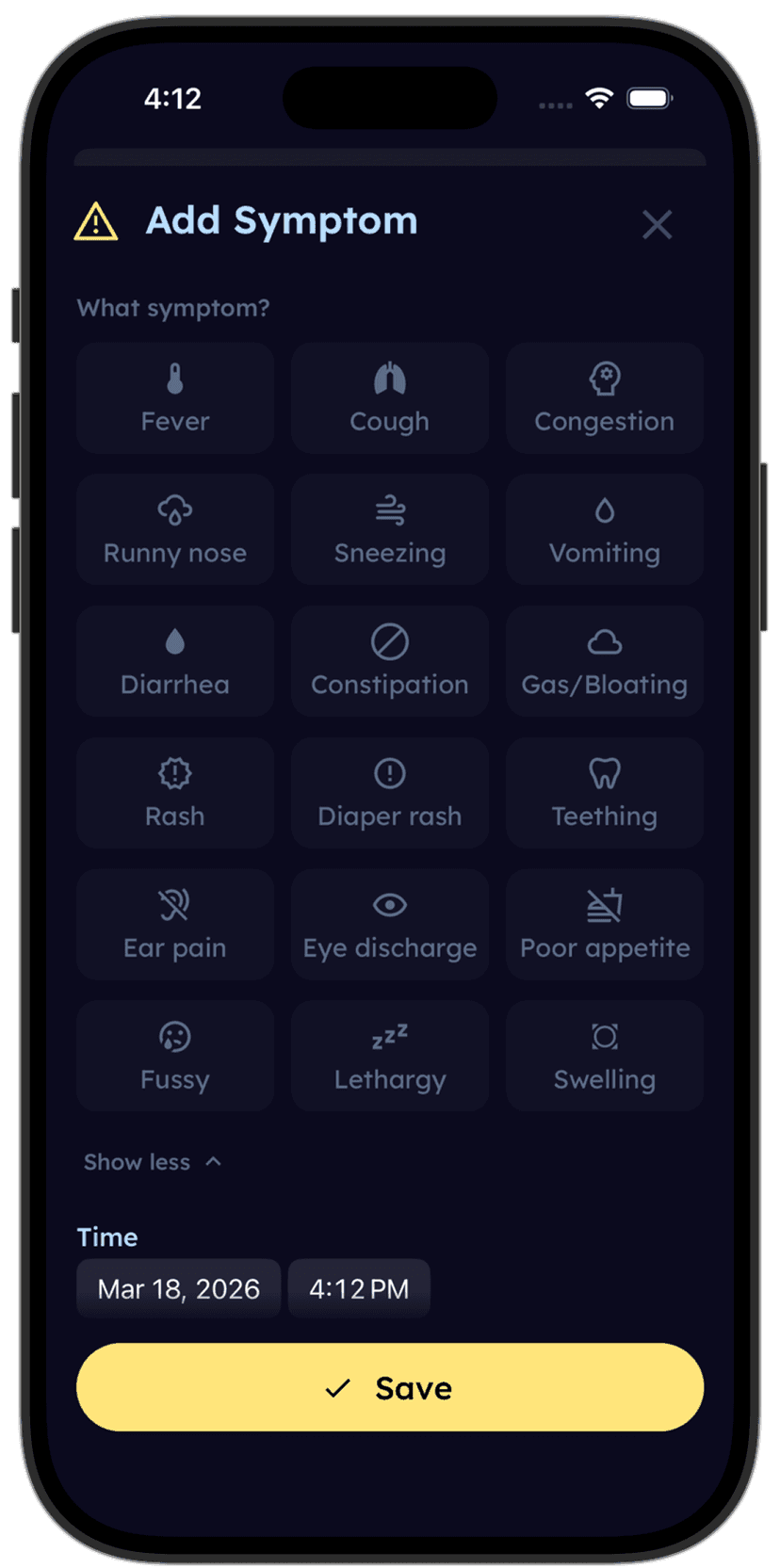
Track when the antibiotics started and when the sores clear.
Download tinylog free — log medications and symptoms to monitor treatment.
Download on the App StoreGet It On Google Play