GUIDE

BLW Month by Month

At 6 months, most food ends up on the floor. By 9 months, your baby is eating recognizable meals. The progression is dramatic — and faster than you'd expect.

Here's what to expect each month so you know what's normal, what's ahead, and when to worry (spoiler: almost never).

The Progression Is Faster Than You Think

At 6 months, you're watching your baby smear avocado across their face while most of it falls on the floor, and it's hard to imagine this same child eating pasta with a fork. But the motor skill development between 6 and 12 months is one of the most rapid periods of physical learning in human life, and eating skills are part of that explosion.

In just 6 months, your baby goes from "what is this thing in my hand" to eating a recognizable meal at the family table. The progression isn't linear — there will be days when they eat everything and days when they eat nothing — but the overall trajectory is consistent and remarkable.

This guide gives you realistic expectations for each month so you can celebrate progress, identify any actual concerns (rare), and stop comparing your baby to the BLW Instagram account where the 6-month-old appears to be eating a three-course meal (they're not — you're seeing the one good photo from a 45-minute session of food flinging).

Month-by-Month Progression
6 months
Grip SkillPalmar grasp (whole fist around food)
Eating SkillBringing food to mouth, mouthing, licking, some mashing with gums. Mostly exploring.
Typical IntakeVery little actually swallowed. 1-2 tablespoons on a good day. Most food ends up elsewhere.
Food TypesFinger-length strips: soft fruits, steamed veggies, toast strips, meat strips. Pre-loaded spoons for wet foods.
Parent NotesThis is the messiest, most gag-filled phase. It's also the foundation for everything that follows. Don't judge success by how much baby eats.
7 months
Grip SkillPalmar grasp improving. Starting to transfer food between hands.
Eating SkillMore purposeful biting. Learning to mash food between gums. Starting to swallow more intentionally. Gagging decreasing.
Typical IntakeIncreasing but still small. 2-4 tablespoons per meal. Two meals per day is reasonable.
Food TypesSame as 6 months plus: soft pasta shapes, scrambled egg pieces, shredded meat, mashed beans on toast.
Parent NotesYou'll notice a real shift — baby is eating, not just playing. Confidence builds for both of you.
8 months
Grip SkillRaking grasp developing. Starting to pick up smaller pieces with fingers (not yet a clean pincer grasp).
Eating SkillMore efficient chewing with gums. Can handle lumpier, mixed textures. Better at biting off pieces.
Typical IntakeNoticeable increase. Baby may eat a recognizable mini-meal. Two meals solidly, working toward three.
Food TypesAll previous foods plus: smaller soft pieces, flaked fish, diced soft fruit, thicker porridges, mixed-texture foods (stew, casserole).
Parent NotesFamily meals become feasible — modify what you're eating for baby. This is when things start feeling less like a project and more like normal life.
9 months
Grip SkillPincer grasp emerging (thumb and forefinger). Can pick up small items. Still developing precision.
Eating SkillEfficient gum-chewing. Can manage most soft solids. Gagging is much less frequent. Self-feeding is purposeful.
Typical IntakeThree meals a day for most babies. Portions are increasing. Milk intake may start decreasing slightly.
Food TypesAll previous plus: pea-sized soft pieces, smashed blueberries, ground meat crumbles, small pasta shapes, diced cheese.
Parent NotesThe pincer grasp changes everything. Baby can now handle foods that would have been impossible at 6 months. Expand variety aggressively.
10-12 months
Grip SkillPincer grasp refining. Can pick up tiny pieces. Starting to use spoon and fork (clumsily).
Eating SkillConfident with most textures. Can eat most family foods with minor modifications. Chewing is more efficient (even without many teeth).
Typical IntakeThree meals plus 1-2 snacks. Solid food making up an increasing proportion of total nutrition. Milk still important but no longer dominant.
Food TypesNearly everything adults eat — modified for safety (no choking hazards, no honey, reduced salt). Utensils for practice.
Parent NotesBy 12 months, your baby has gone from smearing avocado in their hair to eating a recognizable dinner. The transformation is remarkable.
This is a general progression. Individual babies vary significantly. Some race through these stages; others take their time. Both are normal. Concern is warranted only if there's no progress at all over a period of weeks.

Milestones Worth Celebrating

First intentional swallow

In the first few days, baby mostly mouths and licks food. When they actually swallow a piece on purpose — you'll know because it goes down and baby looks surprised — that's a milestone. Happens within the first week or two for most BLW babies.

First food they clearly enjoy

Somewhere in the first 2-3 weeks, you'll offer something and baby will make the unmistakable face of 'give me more of that.' Banana, avocado, and sweet potato are common winners. Whatever it is, it's the moment when eating shifts from confusing duty to something baby is actually into.

The gag that doesn't faze them

Early on, gagging startles baby as much as it startles you. But eventually you'll see baby gag, deal with it, and go right back to eating without missing a beat. When baby is unbothered by their own gag reflex, they've turned a corner.

Pincer grasp debut

The day baby picks up a single pea or blueberry piece between thumb and forefinger is a big deal. It unlocks an entirely new category of foods and marks a major motor development milestone. Usually around 8-9 months.

First family meal

The first time baby eats a modified version of what you're eating — not special baby food, just your dinner cut into appropriate pieces — feels like a graduation. This usually becomes regular by 9-10 months.

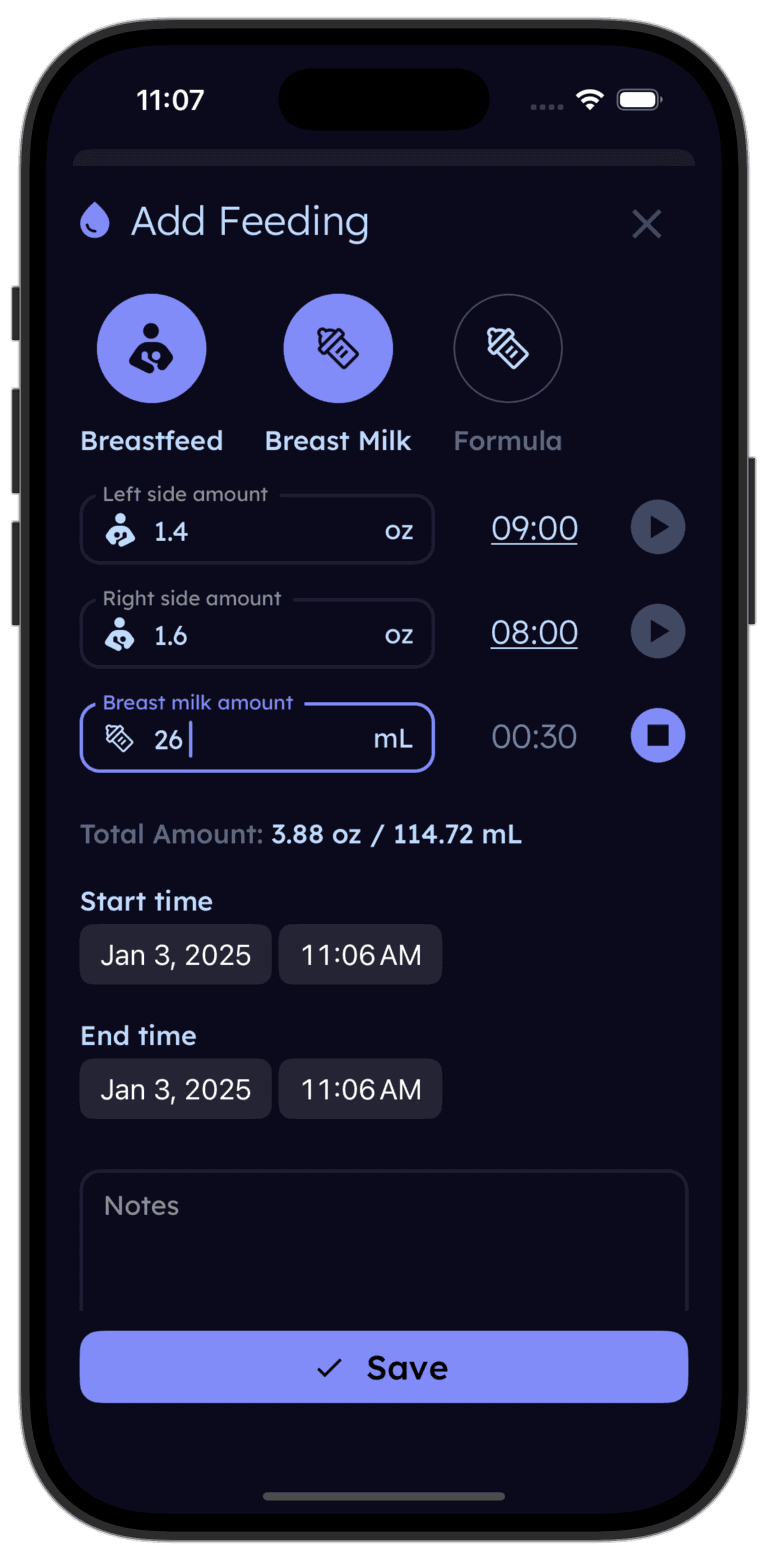
tinylog feeding log showing progression of meals over months

The difference between a 6-month food log and a 12-month food log tells the whole story of how far baby has come.

tinylog keeps a running record of your baby's meals over time. Looking back at where you started — and seeing how far you've both come — is one of the small rewards of the early feeding chaos.

Download on the App StoreGet It On Google Play

When to Be Concerned

Most babies progress through these stages at their own pace, and variation is completely normal. But there are a few situations that warrant a conversation with your pediatrician:

No progress after several weeks: If baby is still refusing all solid textures at 8-9 months with no improvement despite regular opportunities, mention it to your pediatrician.

Extreme gagging or vomiting at every meal: Some gagging is normal, especially early on. But if baby gags to the point of vomiting at most meals and this doesn't improve over 2-3 weeks, there may be an oral motor or sensory issue worth investigating.

Complete refusal of all solids past 7-8 months: Some babies start slowly, and that's fine. But persistent complete refusal may warrant evaluation — especially if combined with poor weight gain.

Difficulty with any texture other than smooth purees past 9 months: If baby can eat purees but refuses or gags on any lumpier texture well past 9 months, a feeding evaluation may be helpful.

In all of these situations, the appropriate response is a conversation with your pediatrician — not panic. Most feeding concerns resolve with time, exposure, and occasionally professional guidance from a feeding therapist.


Related Guides

Sources

  • Rapley, G., & Murkett, T. (2010). Baby-Led Weaning: The Essential Guide to Introducing Solid Foods.
  • Daniels, L., et al. (2015). Baby-Led Introduction to SolidS (BLISS) study. BMC Pediatrics, 15, 179.
  • World Health Organization. (2023). Complementary Feeding. WHO.int.
  • American Academy of Pediatrics. (2024). Starting Solid Foods. HealthyChildren.org.
  • CDC. (2024). Important Milestones: Your Baby By Nine Months. CDC.gov.

Medical Disclaimer

This guide is for informational purposes only and is not a substitute for professional medical advice. Consult your pediatrician before starting solids, especially regarding allergen introduction for high-risk infants. All caregivers should be trained in infant CPR before offering solid foods.

Get the month-by-month guide in your inbox.
We'll send you the progression timeline so you can check in as your baby hits each stage.
Month by month, meal by meal — watch the progress build.
Download tinylog free — your baby's feeding history in one place.
Download on the App StoreGet It On Google Play