
Thaw in the fridge overnight
Move frozen milk to the fridge the night before you need it. It takes 8-12 hours to thaw. This is the gentlest method and preserves the most nutrients and immune factors.
GUIDE
Published on ·Updated on
Room temp: 4 hours. Fridge: 4 days. Freezer: 6-12 months. Thawed: 24 hours in the fridge. That's the cheat sheet — details below.
Bookmark this. You're going to look it up more often than you think — especially at 2 AM when you can't remember if that bottle has been sitting out too long.
Log breast, bottle and solids
Every pumping parent develops a low-grade anxiety about milk storage timelines. Is that bottle still good? Was it in the fridge or on the counter? When was it pumped? These questions come up constantly, usually at the worst possible times.
The guidelines below follow the CDC and ABM recommendations. When the CDC and ABM differ slightly, we've noted both. When in doubt, go with the shorter timeframe — but also know that these are conservative guidelines with built-in safety margins.
| Storage Location | Temperature | Freshly Expressed | Previously Frozen (Thawed) | Notes |
|---|---|---|---|---|
| Countertop / room temperature | Up to 77°F (25°C) | Up to 4 hours | 1-2 hours | Use or refrigerate within 4 hours. In hot rooms (above 77°F), the window is shorter. |
| Insulated cooler with ice packs | 59°F (15°C) | Up to 24 hours | Not recommended for re-storage | Good for transport from work to home. Keep ice packs frozen and limit opening. |
| Refrigerator | 40°F (4°C) | Up to 4 days (ideal: use within 3 days) | 24 hours (do not refreeze) | Store in the back, not the door. Door temperature fluctuates when opened. |
| Freezer (attached to fridge) | 0°F (-18°C) | 6-12 months (ideal: use within 6 months) | Do not refreeze | Quality is best in the first 6 months. Acceptable up to 12. Use oldest first. |
| Deep freezer | -4°F (-20°C) or colder | Up to 12 months | Do not refreeze | Best for long-term storage. Consistent temperature preserves quality. |
| Freeze-dried (vacuum-sealed) | Room temperature | Up to 3 years | N/A — reconstitute with sterile water | Requires commercial processing ($3-6/oz). Preserves most nutrients and immune factors. See our freeze-dried breast milk guide. |
If you've got a big stash and limited freezer space — or you just don't want to worry about power outages — freeze-drying is worth knowing about. The process turns your milk into a shelf-stable powder that lasts up to 3 years at room temperature. Studies show it preserves most nutrients and immune factors, including IgA and lactoferrin.
It's not cheap ($3-6 per ounce through a commercial service), and the industry isn't FDA-regulated, so you need to vet providers carefully. But for families dealing with oversupply, high lipase issues, or frequent travel, it can be a practical option.
We wrote a full guide on it: Freeze-Dried Breast Milk: How It Works, What It Costs, and Is It Worth It?
Move frozen milk to the fridge the night before you need it. It takes 8-12 hours to thaw. This is the gentlest method and preserves the most nutrients and immune factors.
Hold the sealed container under warm (not hot) running water or place it in a bowl of warm water. It takes 10-20 minutes. Never use boiling water — heat damages immune components.
Microwaves heat unevenly, creating hot spots that can burn baby's mouth. They also destroy some of the immune properties that make breast milk valuable in the first place. This one is non-negotiable.
Once fully thawed, use within 24 hours. Do not refreeze thawed milk. Start the clock when the last ice crystal melts.
If baby started a bottle and didn't finish, use it within 2 hours. After that, toss it. Baby's saliva introduces bacteria into the milk, and the clock starts ticking fast once they've drunk from it.
A bottle warmer is not strictly necessary — warm water in a bowl works fine. But at 2 AM, the Philips Avent warmer (~$35) means you press a button and it is done in three minutes with no hot spots. It uses a water bath, not steam, so it is safe for breast milk nutrients.
Tinylog earns a small commission on purchases made through these links, at no cost to you.
Before you buy, it's worth checking promo.new for a deal. It doesn't cover everything, but we've had good luck with it.
Lipase is an enzyme in breast milk that breaks down fat. Some parents have higher lipase activity, which causes stored milk to develop a soapy, metallic, or sour smell/taste after hours or days — even when the milk is perfectly safe. It's not spoiled. It just tastes different.
Yes. Completely safe. The smell and taste change are cosmetic, not safety-related. The nutritional and immune value is preserved. The problem is that some babies reject it because of the taste.
If your baby rejects stored milk, try scalding it before storage: heat freshly expressed milk in a pot until tiny bubbles form around the edges (about 180°F / 82°C), then cool and store. Scalding deactivates the lipase enzyme and prevents the taste change. It does deactivate some immune components, but the milk remains nutritionally sound.
Freeze a small amount of freshly expressed milk. Thaw it after 24-48 hours and smell/taste it. Compare to fresh milk. If the frozen-thawed milk has a noticeable soapy or metallic smell that fresh milk doesn't, you likely have high lipase.
Most of these won't make your baby sick in a single instance — breast milk has natural antibacterial properties. But following guidelines consistently protects the quality and safety of the milk you worked hard to produce.
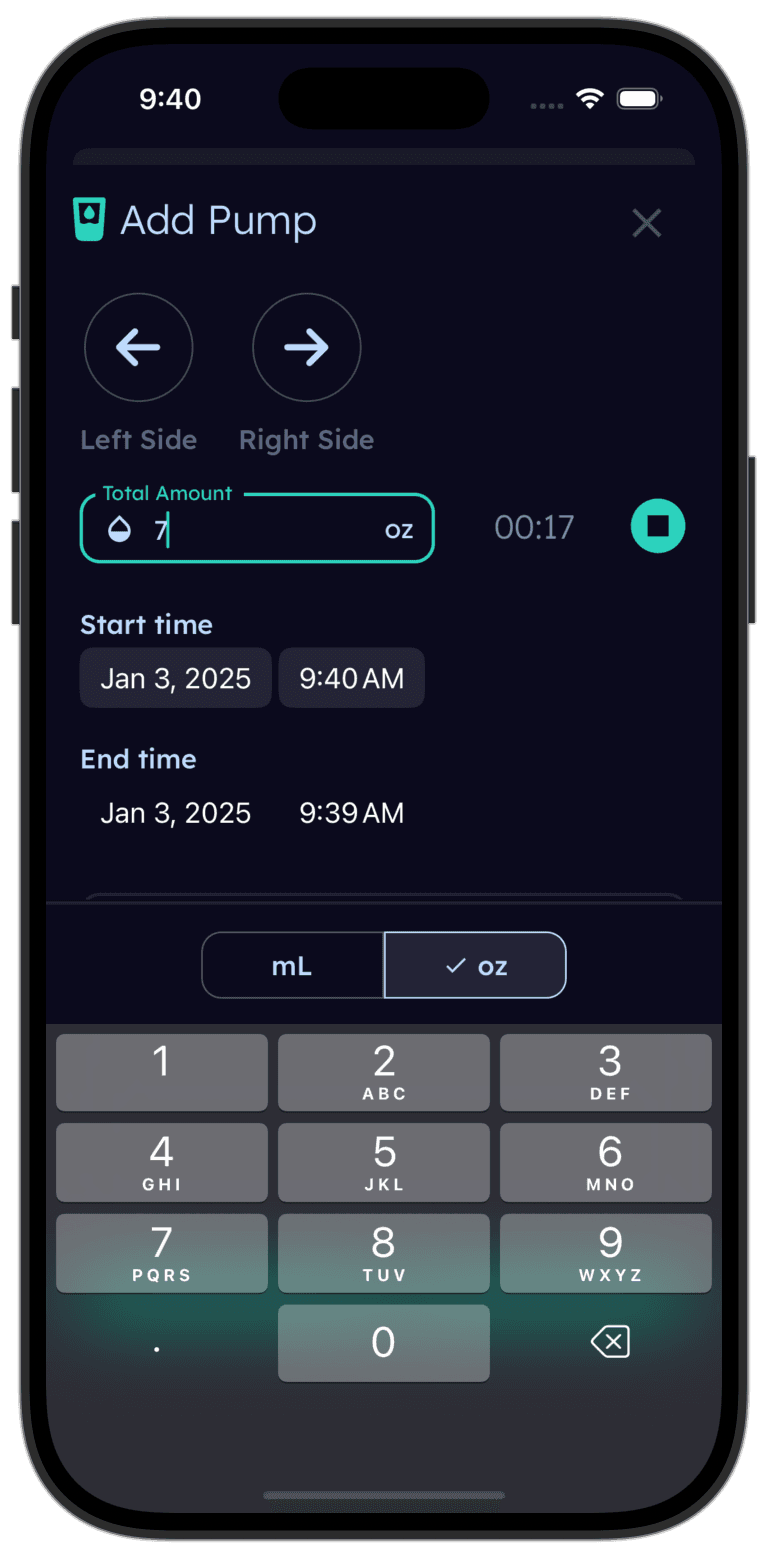
Tinylog logs when you pump so you can check storage timelines without doing mental math at 5 AM. Especially helpful when you're rotating between fridge, freezer, and daycare bottles.


"The 4-hour room temperature rule is too strict — breast milk has antibacterial properties." Breast milk does contain antibacterial agents (lactoferrin, secretory IgA, lysozyme) that slow bacterial growth. Some studies have shown milk is safe at room temperature for 6-8 hours under ideal conditions. However, the CDC uses 4 hours as the safe recommendation because room temperature conditions vary (warm kitchens, summer heat, direct sunlight). The 4-hour rule builds in a safety margin.
"Frozen breast milk is good for 12 months." Technically safe up to 12 months in a deep freezer (0°F or colder). However, vitamin C content degrades over time, and fat quality decreases. The ABM recommends using frozen milk within 3-6 months for optimal nutritional quality. The 12-month guideline is a safety window, not a quality target.
"You have to pump and dump after drinking alcohol." This is one of the most persistent myths. Alcohol in breast milk mirrors your blood alcohol level and metabolizes out at the same rate. If you're sober enough to drive, your milk is fine to feed. "Pump and dump" doesn't speed up alcohol clearance — it just wastes milk. The ABM's protocol on alcohol and breastfeeding supports occasional moderate alcohol consumption (one standard drink) with no need to pump and dump.
"Milk that's been out for 5 hours should be thrown away." If it's been at a cool room temperature and only slightly over 4 hours, it's very likely fine. The guidelines include safety margins. However, if you're in doubt and can afford to lose the milk, erring on the safe side is reasonable — especially for very young or premature babies.
See an IBCLC if: you suspect high lipase and need help with scalding protocols, or if you need help building a pumping and storage routine.
See your pediatrician if: your baby is refusing stored milk (may need to rule out other causes) or if you have questions about storage for a premature or medically fragile baby.
Trust your nose, mostly: Fresh breast milk smells sweet or has a mild, not unpleasant smell. Spoiled milk smells distinctly bad — sour, rancid, like spoiled dairy. If it smells clearly foul, toss it. If it smells slightly different from fresh (but not foul), it may be lipase-related and still safe.
For more on building and managing a stash while working, see our pumping schedule for working parents. If you're exclusively pumping, our exclusive pumping guide covers everything from schedules to storage logistics.
Exclusive Pumping — A complete guide for parents who EP
How Much Should I Be Pumping? — Realistic expectations by stage
Combination Feeding — How to do breast milk and formula together
Freeze-Dried Breast Milk — How it works, what it costs, and whether it's worth it
This guide is for informational purposes only and is not a substitute for professional medical advice. If you're experiencing breastfeeding difficulties, consider consulting an IBCLC (International Board Certified Lactation Consultant) or your pediatrician.