GUIDE

Daycare vs. Nanny

Daycare offers structure, socialization, and lower cost per child. A nanny offers flexibility, one-on-one attention, and in-home convenience. The right choice depends on your schedule, budget, and how many children you have.

This is one of the biggest parenting decisions you'll make — and there's no universally right answer.

Sync care logs with any caregiver

Track feeds, naps, and handoffs

Quality early childhood education settings have great potential to transform our nation's health.
Dr. Dina LieserDr. Dina Lieser, MD, FAAP, Pediatrician, Docs for Tots / American Academy of Pediatrics

Two Good Options, Very Different Trade-offs

The daycare-versus-nanny decision often gets framed as a values question, but it's mostly a logistics one. Both provide quality care when done well. The NICHD Study of Early Child Care and Youth Development — the largest longitudinal childcare study ever conducted — found that the quality of caregiving matters far more than the setting. A responsive, well-trained nanny and a high-quality daycare center produce comparable developmental outcomes.

What actually differs is the practical stuff: cost structure, schedule flexibility, illness exposure, socialization opportunities, and how much you want to manage another human's employment. These are real trade-offs, not minor details. If you're still on maternity leave, now is the time to research both options thoroughly.

The average American family spends about 27% of household income on childcare, according to Care.com's 2024 Cost of Care Survey. That number is staggering regardless of which option you choose, so understanding exactly what you're getting for that money matters.


Daycare vs. Nanny: Side-by-Side
Average monthly cost (1 child)
Daycare$1,000–$2,500
Nanny$2,500–$4,000+
Cost with 2+ children
DaycareRoughly doubles
NannyModest increase ($200–$500)
Caregiver-to-child ratio
Daycare1:3 to 1:4 (infants), regulated by state
Nanny1:1 (or 1:2 with siblings)
Hours of availability
DaycareFixed hours (typically 7 AM–6 PM)
NannyFlexible, set by agreement
Sick child policy
DaycareSent home if symptomatic
NannyUsually still comes to work
Socialization
DaycareBuilt-in peer interaction daily
NannyRequires parent-arranged playdates
Backup when caregiver is sick
DaycareOther staff cover — center stays open
NannyYou need a backup plan
Location
DaycareYou drop off and pick up
NannyCare happens in your home
Regulatory oversight
DaycareLicensed and inspected by state
NannyNo licensing required in most states
Schedule flexibility
DaycareLow — fixed drop-off and pickup
NannyHigh — negotiable and adaptable
Costs vary significantly by region. Urban centers like NYC, SF, and Boston tend to be 30-50% above national averages.

Daycare Advantages

  • Lower cost per child for single-child families in most markets
  • Built-in socialization with same-age peers from an early age
  • Licensed, regulated, and inspected by state agencies
  • Structured curriculum and developmental activities
  • Reliable — center operates regardless of individual staff illness

Quality varies enormously between centers. Visit multiple options and check state inspection reports.

Daycare Challenges

  • Fixed hours that may not align with your work schedule
  • Higher illness exposure — young children share germs constantly
  • Strict sick-child policies mean unexpected days at home
  • Less individualized attention due to caregiver ratios

Many of these challenges decrease as your child gets older and their immune system strengthens.

Nanny Advantages

  • One-on-one attention tailored to your child's needs and pace
  • Flexible schedule — can accommodate irregular work hours
  • Care happens at home, eliminating commute and transition stress
  • Your child stays in a familiar environment with their own toys and crib
  • Becomes more cost-effective with multiple children

A great nanny-family match can feel like gaining a family member. Take hiring seriously.

Nanny Challenges

  • Significantly more expensive for single-child families
  • No built-in backup — nanny illness or vacation leaves you scrambling
  • Less socialization unless you arrange playdates or classes
  • You become an employer with tax and legal obligations

Nanny taxes are real. Use a payroll service like HomePay or GTM to stay compliant.

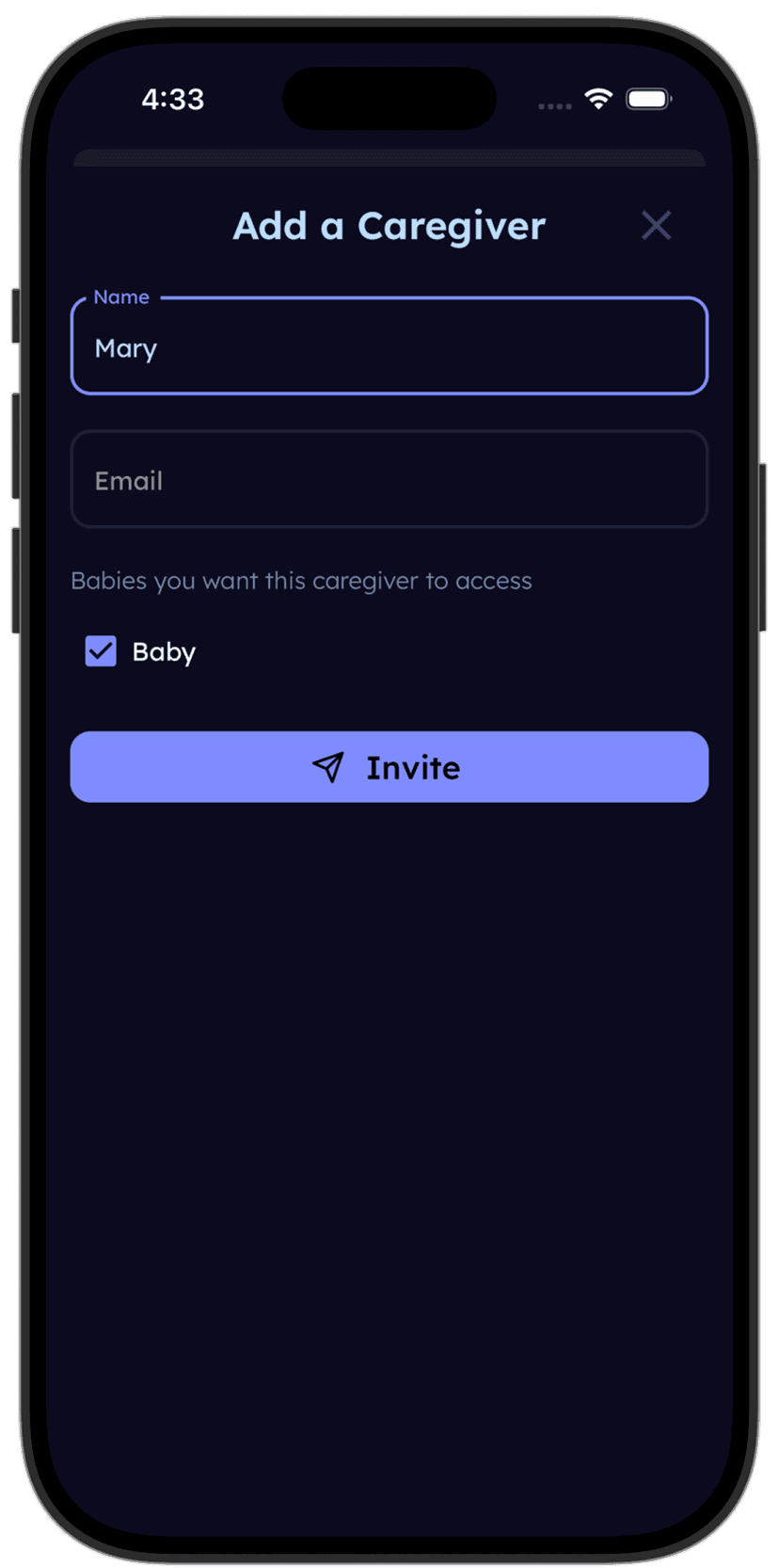
Tinylog caregiver sync showing shared baby log between parent and caregiver

Seamless handoffs between you and your caregiver.

Tinylog's caregiver sync lets your nanny or daycare provider log feeds, naps, and diapers throughout the day — and you see everything in real time. No more deciphering handwritten notes at pickup.

Download on the App StoreGet It On Google Play

The Illness Factor Nobody Warns You About

Here's something veteran parents know that first-time parents don't: daycare babies get sick. A lot. Studies published in Pediatrics show that children in group care settings experience 8-12 upper respiratory infections per year during their first two years. Your baby will bring home every cold, stomach bug, and mystery rash circulating through the room.

The silver lining? Research from the National Institute of Child Health and Human Development suggests this early immune exposure may reduce illness frequency once children reach school age. The first year is rough, but you're front-loading the sick days rather than spreading them across kindergarten.

A nanny arrangement dramatically reduces illness exposure since your child isn't sharing toys and air with a dozen other kids. But your child will still get sick — just less frequently and less predictably. Either way, keeping a detailed baby tracker app helps you log symptoms and share illness patterns with your pediatrician.

How to Decide

Choose daycare if your budget is a primary concern for a single child, you value built-in socialization and structure, your work schedule aligns with center hours, and you want the reliability of an institution that doesn't call in sick.

Choose a nanny if you need schedule flexibility, you have (or plan to have) multiple children, you want one-on-one attention and in-home convenience, and you're comfortable with the employer responsibilities that come with it.

Consider a nanny share if you want the cost savings of splitting a nanny with another family while still getting more individualized care than daycare provides. Nanny shares typically cost 25-30% less per family than a solo nanny arrangement. You might also weigh this against grandparent care if family members are willing and nearby.

Tips That Apply Either Way

Communicate handoff details clearly

Whether it's a daycare provider or a nanny, the pickup/drop-off handoff is where information gets lost. Use a shared tracking app so both you and your caregiver have the same data — when the last feed was, how long the last nap went, and how many diapers happened that day.

Trial periods are worth doing

Most nannies expect a trial period of 1-2 weeks. Many daycare centers offer a gradual transition schedule. Use this time to see how your baby responds and whether the communication flow works before committing fully.

Plan for the backup scenario

With daycare, plan for sick-day coverage. With a nanny, plan for their sick days, vacations, and eventual departure. Having a backup care option lined up — whether a family member, backup care service, or emergency daycare — prevents last-minute panic.

Related Guides

Sources

  • NICHD Early Child Care Research Network. (2006). Child-Care Effect Sizes for the NICHD Study of Early Child Care and Youth Development. American Psychologist, 61(2), 99-116.
  • Care.com. (2024). Cost of Care Survey: Annual Report on Childcare, Senior Care, and Pet Care Costs.
  • Ball, T. M., et al. (2002). Siblings, Day-Care Attendance, and the Risk of Asthma and Wheezing during Childhood. New England Journal of Medicine, 343, 538-543.
  • National Association for the Education of Young Children (NAEYC). (2025). Accreditation Standards for Early Learning Programs.

This guide is for informational purposes only and is not a substitute for professional medical advice. Consult your pediatrician for guidance specific to your baby.

Get this comparison in your inbox.
We'll email you this breakdown so you can review it with your partner before making a decision.
Smooth handoffs start with shared data.
Download Tinylog — sync feeds, naps, and diaper logs with daycare staff or your nanny in real time.
Download on the App StoreGet It On Google Play