
GUIDE
Dream On Me Karley Bassinet vs. Newton Baby Bassinet
Published on
The Dream On Me Karley (~$65–$85) is a lightweight, portable bassinet that handles the basics at a price that barely registers. The Newton Baby Bassinet (~$300–$350) is a premium option built around a Wovenaire breathable mattress designed to reduce suffocation risk. Both meet CPSC and ASTM safety standards. Your choice comes down to whether breathable mattress technology is worth a 4x price jump.
These two bassinets sit at opposite ends of the price spectrum but both give your newborn a safe, separate sleep space. The Dream On Me Karley is about value and portability. The Newton Baby is about breathability and premium construction. Understanding what you actually need — versus what marketing tells you to want — will save you money or buy you peace of mind.
Log sleep, feeds, and diapers in seconds
Two Bassinets at Opposite Ends of the Price Spectrum
The Dream On Me Karley and Newton Baby Bassinet both do the same fundamental job: give your newborn a safe, flat, firm sleep space close to your bed. Both have mesh sides for airflow. Both meet federal safety standards. Both come with a mattress.
The difference is what happens inside the mattress. The Dream On Me Karley includes a standard 1-inch mattress pad — firm, flat, and functional. The Newton Baby includes its Wovenaire core, made of 90% air and 10% food-grade polymer, specifically designed to allow a baby to breathe through the mattress surface.
That single feature — the breathable mattress — accounts for almost the entire price gap between these two bassinets. Whether that feature is worth $200+ to your family is the core question this guide helps you answer.
For tracking your baby's sleep once they arrive — which helps you spot when naps are consolidating and nighttime stretches are getting longer — see our 1-month-old sleep schedule guide.
| Feature | Dream On Me Karley | Newton Baby Bassinet | What It Means |
|---|---|---|---|
| Manufacturer | Dream On Me | Newton Baby | Dream On Me has been making affordable baby furniture for over 30 years. Newton Baby launched with a focus on breathable sleep surfaces and has built a strong reputation in the premium baby sleep category. |
| Weight limit | 25 lbs | ~20 lbs | Dream On Me has a higher weight limit on paper. In practice, most babies transition to a crib before hitting either limit. |
| Mattress technology | 1-inch standard mattress pad | Wovenaire breathable core (90% air, 10% food-grade polymer) | Newton wins on breathability by a wide margin. The Wovenaire core is genuinely different from traditional mattress pads — air passes through it, which is the entire selling point. |
| Mesh airflow | Full mesh sides | Full mesh sides + breathable mattress | Both have mesh walls. Newton adds breathability through the mattress itself, creating airflow from every direction. |
| Portability | Lightweight (~10 lbs), folds for storage/travel | Moderate weight (~15–18 lbs), not designed for folding | Dream On Me wins. It is lighter and folds flat. The Newton is portable enough to move room to room but is not a grab-and-go travel bassinet. |
| Mattress washability | Mattress pad — spot clean, cover removable | Entire Wovenaire core is washable (rinse in shower or tub) | Newton wins. Being able to rinse the entire mattress core under water is a real advantage when dealing with spit-up, diaper blowouts, or general newborn messes. |
| Assembly | Easy — minimal assembly, sets up in minutes | Easy — straightforward setup | Tie. Neither bassinet requires tools or complicated assembly. Both are ready to use quickly. |
| Build quality | Lightweight frame, functional but basic | Sturdy frame, premium materials and finish | Newton feels more substantial. The build quality reflects the price — you can see and feel where the money went. |
| Storage underneath | No built-in storage | No built-in storage | Tie. Neither has a storage shelf or basket underneath. |
| Soothing features | None | None | Tie. Neither includes vibration, sound, or nightlight features. You will need a separate sound machine if you want one. |
Breathability: The Reason Newton Costs What It Does
Newton Baby built their entire brand around one idea: babies should be able to breathe through their mattress. The Wovenaire core is not foam, not fiber-fill, not springs. It is a woven polymer structure that is mostly air, and independent airflow testing has shown it allows significantly more air to pass through than traditional bassinet mattresses.
Does this matter? The honest answer is: it depends on how you think about risk.
The AAP recommends placing babies on their back on a firm, flat surface with nothing else in the sleep space. If you follow those guidelines — and you should — the risk of suffocation is already very low. A breathable mattress adds another layer of protection in case a baby rolls face-down before they can roll themselves back. For some parents, that extra layer is worth every dollar. For others, following the back-to-sleep guideline feels sufficient.
Newton does not claim their mattress eliminates suffocation risk. What they do claim — and testing supports — is that their mattress allows airflow in a way that traditional mattresses do not.
The Dream On Me Karley uses a standard firm mattress pad. It meets the same CPSC firmness requirements as the Newton. It just does not have the breathable core technology.
Portability: Where the Karley Pulls Ahead
The Dream On Me Karley weighs about 10 lbs. You can carry it with one hand, fold it up, toss it in a car, and set it up at a grandparent's house in minutes. It is one of the most portable bassinets on the market because it was designed to be simple and light.
The Newton Baby Bassinet weighs about 15–18 lbs. It is not heavy, but it does not fold the way the Karley does. You can move it between rooms without trouble, but it is not a travel bassinet in the same way.
If you need a bassinet that goes where you go — weekend trips, back and forth between two homes, or just from the bedroom to the living room during the day — the Karley is the more practical choice. The Newton is better treated as a piece of bedroom furniture that stays in one spot.
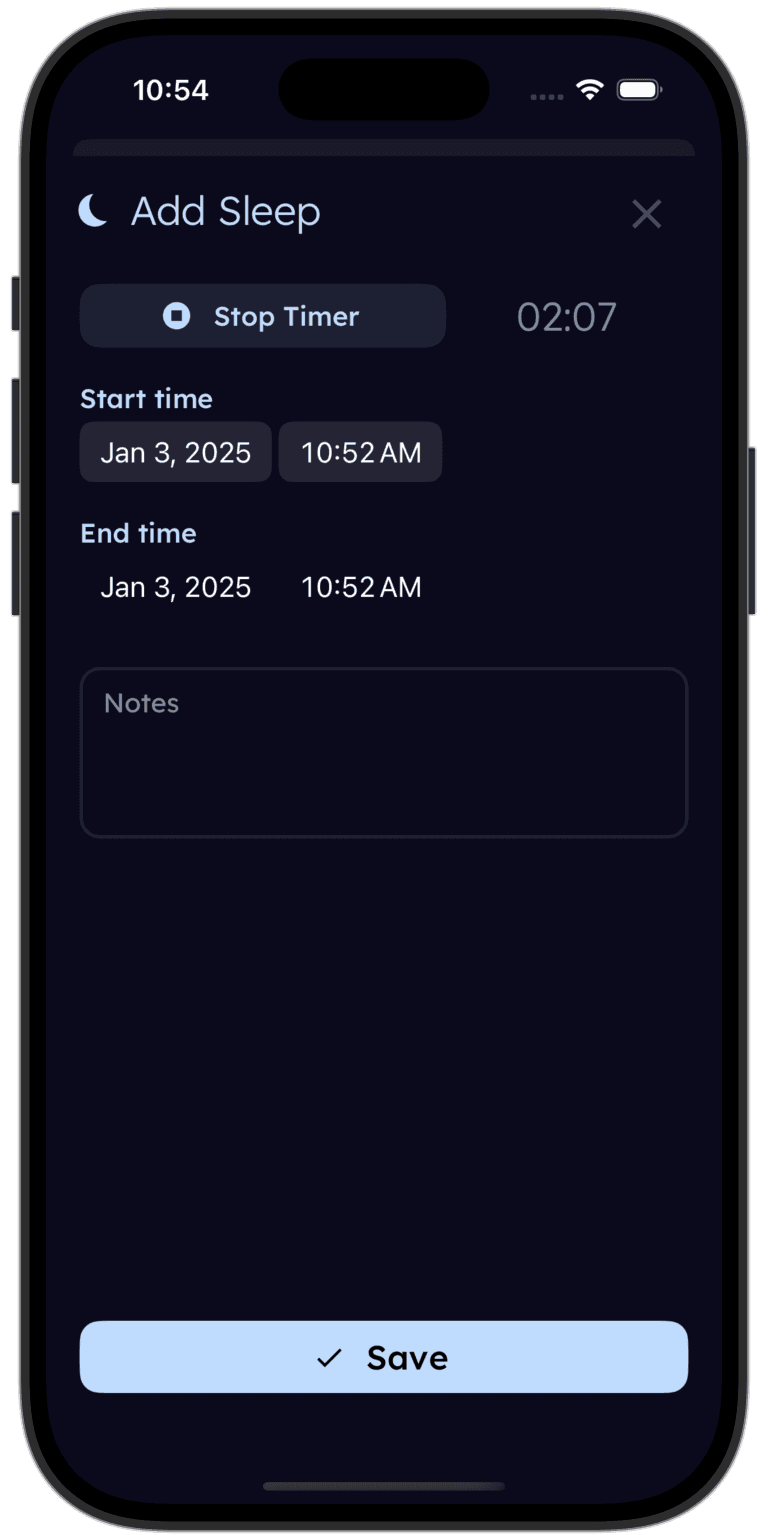
Tracking sleep helps you see when baby's stretches are getting longer. That 2-hour block that became a 3-hour block? That's progress.
Log sleep sessions in a few taps with Tinylog — watch patterns emerge over days and weeks, and bring the data to your pediatrician if anything looks off.


Safety: Both Meet the Standard, Newton Goes Further on Airflow
Both the Dream On Me Karley and Newton Baby Bassinet meet ASTM F2194 (the bassinet safety standard) and CPSC requirements. Both have firm, flat sleep surfaces and mesh sides for visibility and airflow.
Neither bassinet should be used with aftermarket mattresses, pillows, bumpers, or loose bedding. The AAP safe sleep guidelines apply regardless of price point: baby sleeps alone, on their back, on a firm flat surface, in a clear sleep area.
Where Newton goes further is in the mattress itself. The Wovenaire core adds breathability that a standard mattress pad does not offer. This does not mean the Dream On Me Karley is unsafe — it meets the exact same federal safety standards. It means Newton has engineered an additional safety margin into the mattress design that goes beyond what regulators require.
That distinction matters if you are the kind of parent who checks on baby's breathing six times a night. A breathable mattress will not stop you from checking, but it might take the edge off the anxiety.
| Product | Typical Price | Notes |
|---|---|---|
| Dream On Me Karley Bassinet | $65–$85 | One of the most affordable name-brand bassinets on the market. Frequently under $75 on Amazon. |
| Newton Baby Bassinet | $300–$350 | Premium price driven by the Wovenaire breathable mattress technology. Occasionally discounted during sales events. |
| Newton Baby Bassinet Mattress (replacement) | $80–$100 | If you only want Newton's breathable mattress for a different bassinet, check compatibility first — it may not fit other models. |
| Replacement sheets (either brand) | $15–$30 | Newton's fitted sheets run ~$20–$30. Generic bassinet sheets may fit the Karley but always check dimensions. |
Price: $200+ Buys One Feature
The Dream On Me Karley runs $65–$85. The Newton Baby Bassinet runs $300–$350. That is a gap of roughly $215–$265.
What does the extra money buy? Primarily the Wovenaire breathable mattress. The Newton also has a nicer frame, better overall build quality, and a fully washable mattress core. But the breathable mattress is the headliner.
Here is one way to think about it: if you use a bassinet for 4–6 months, the Karley costs roughly $13–$21 per month. The Newton costs roughly $50–$88 per month. For a piece of baby gear your child will outgrow before they can say "thank you," that per-month gap is significant.
But here is the other way to think about it: you will spend those 4–6 months getting up multiple times every night to check on a tiny human. If breathing through the mattress surface gives you 15 fewer minutes of anxiety per night, some parents will tell you that is priceless.
Neither perspective is wrong. It comes down to your budget and your temperament.
Choose the Dream On Me Karley If
- Budget is a real factor — you need a safe bassinet without spending $300+
- You want something lightweight you can move between rooms or take to a grandparent's house
- You follow safe sleep guidelines carefully and feel confident with a standard firm mattress
- You plan to transition to a crib early and do not want to over-invest in a bassinet
- You want simple, no-frills baby gear that does the core job without extras
- You would rather put the $200+ savings toward a crib, car seat, or other gear
Choose the Newton Baby Bassinet If
- Breathability and airflow give you peace of mind — you want a mattress designed to let air pass through
- You are a first-time parent and the idea of a breathable sleep surface helps you sleep better too
- You want a mattress you can fully wash — not just spot clean — after blowouts and spit-up
- Build quality and premium materials matter to you, even for short-term baby gear
- You plan to buy the Newton crib mattress later and want to stay in the same ecosystem
- Budget is not a primary concern, and you would rather spend more for added peace of mind
Where to Buy
The Dream On Me Karley (~$65–$85) is one of the best value bassinets you can buy. It is lightweight, portable, meets all safety standards, and costs less than a single box of premium diapers per month of use. If budget matters or you want a no-fuss bassinet you can move around the house, it is a smart pick. Widely available on Amazon and Walmart.
The Newton Baby Bassinet (~$300–$350) is the premium choice for parents who want the Wovenaire breathable mattress and the peace of mind that comes with it. The fully washable mattress core is a genuine bonus for handling the inevitable messes of the newborn stage. Available on Amazon and directly from Newton Baby's website, where you will sometimes find bundle pricing with sheets.
Whichever you choose: follow the AAP safe sleep guidelines. Back to sleep, firm flat surface, nothing else in the bassinet. A breathable mattress is an added layer, not a substitute for safe sleep practices.
Tinylog earns a small commission on purchases made through these links, at no cost to you.
Before you buy, it's worth checking promo.new for a deal. It doesn't cover everything, but we've had good luck with it.
The Bottom Line
The Dream On Me Karley and Newton Baby Bassinet are both safe, well-reviewed bassinets built for different priorities.
Dream On Me Karley wins on price (by a factor of 4x), portability (10 lbs and foldable), and simplicity. It does the core job — safe sleep space next to your bed — without charging you for features you may not need.
Newton Baby Bassinet wins on breathability (the Wovenaire mattress is genuinely different from standard mattresses), washability (rinse the entire core under water), and build quality. It is the bassinet for parents who want every possible safety margin and are willing to pay for it.
For most families, the deciding factor is straightforward: if the breathable mattress gives you meaningful peace of mind and the budget allows, the Newton is a thoughtful investment for the newborn months. If you want a safe, affordable bassinet that gets the job done without the premium, the Karley is the practical choice. Both keep your baby safe. Both will be outgrown before you know it.
If you are logging sleep sessions to track your baby's patterns — which genuinely helps you see when nighttime stretches are lengthening and naps are becoming more predictable — Tinylog makes it easy to track in a few taps.
Related Guides
- 1-Month-Old Sleep Schedule — What sleep actually looks like in the early weeks
- Baby Fighting Sleep — When your baby will not settle in the bassinet
- HALO BassiNest vs. Dream On Me Karley — How the Karley compares to a swivel bedside sleeper
- 4-Month Sleep Regression — The first big sleep disruption and what to do about it
Sources
- Newton Baby. "Newton Baby Bassinet — Product Information." newtonbaby.com, 2026.
- Newton Baby. "Wovenaire Technology — How It Works." newtonbaby.com, 2026.
- Dream On Me. "Karley Bassinet — Product Details." dreamonme.com, 2026.
- ASTM International. "F2194 — Standard Consumer Safety Specification for Bassinets and Cradles." astm.org, 2024.
- U.S. Consumer Product Safety Commission. "Safe Sleep — Bassinets." cpsc.gov, 2025.
- American Academy of Pediatrics. "Safe Sleep Recommendations." aap.org, 2024.
- BabyGearLab. "Newton Baby Bassinet Review." babygearlab.com, 2025.
- BabyGearLab. "Dream On Me Karley Bassinet Review." babygearlab.com, 2025.
- What to Expect. "Best Bassinets of 2026." whattoexpect.com, 2026.
- Wirecutter. "The Best Bassinets." nytimes.com/wirecutter, 2025.
This guide is for informational purposes only and is not a substitute for professional medical or safety advice. Bassinet safety standards and product specifications can change — always verify current specs on the manufacturer's website before purchasing. Follow the American Academy of Pediatrics safe sleep guidelines regardless of which bassinet you choose. If you have questions about safe sleep, talk to your pediatrician.
Frequently asked questions
- Is the Newton Baby Bassinet really more breathable than other bassinets?
- Newton's Wovenaire mattress core is made of 90% air and 10% food-grade polymer, designed to allow airflow even if a baby rolls face-down into it. Independent testing has shown the mattress is more breathable than traditional foam or fiber-fill mattresses. That said, the AAP still recommends always placing babies on their back to sleep — breathable mattress technology is an extra layer, not a replacement for safe sleep practices.
- Can the Dream On Me Karley Bassinet be used from birth?
- Yes. The Dream On Me Karley is rated for use from birth up to 25 lbs or until baby can push up on hands and knees. It includes a 1-inch mattress pad that meets federal firmness standards. Always use it on a flat, stable surface and follow the manufacturer's assembly instructions.
- Is it worth spending $300+ on a bassinet my baby will outgrow in a few months?
- That depends on how you weigh peace of mind versus cost. The Newton Baby Bassinet's breathable mattress does offer a genuine airflow advantage. But your baby will likely outgrow any bassinet by 4–6 months. At $300, that is roughly $50–$75 per month of use. The Dream On Me Karley at $75 costs about $12–$19 per month. Both are safe — the question is whether the breathability premium is worth it to you.
- Is the Dream On Me Karley Bassinet portable?
- Yes. It weighs about 10 lbs and folds for storage or travel. It does not have wheels, but it is light enough to move room to room easily. Some parents keep it as a secondary sleep space at a grandparent's house because of the low price.
- Do I need to buy a separate mattress for either bassinet?
- No. Both come with a mattress included. The Newton Baby includes its signature Wovenaire breathable mattress. The Dream On Me Karley includes a 1-inch mattress pad. For both bassinets, only use the mattress that comes with the unit — aftermarket mattresses may not fit properly and can create safety hazards.
- How long can a baby sleep in a bassinet before switching to a crib?
- Most babies transition to a crib between 3 and 6 months. The switch should happen when baby reaches the weight limit (25 lbs for the Karley, approximately 20 lbs for Newton), starts rolling or pushing up on hands and knees, or outgrows the sleeping space — whichever comes first. Newton also makes a breathable crib mattress if you want to continue with their technology after the bassinet stage.