GUIDE

Ferber Method vs. Chair Method

Ferber uses timed check-ins from outside the room. The chair method keeps you in the room but gradually moves you farther away over 1-2 weeks. Ferber is faster; the chair method is gentler. Both work when applied consistently.

Two different philosophies about how much presence a baby needs while learning to sleep independently.

Track sleep training with Tinylog

Log progress with either method

This chair method can be especially helpful if your child is a little bit older and has some separation anxiety.
Dr. Noah SchwartzDr. Noah Schwartz, MD, Pediatrician, Cleveland Clinic

Two Paths to the Same Destination

Both Ferber and the chair method teach the same skill — independent sleep onset. Your baby learns to fall asleep without being rocked, nursed, or held — a shift that's especially relevant if your baby only sleeps when held. The difference is how much parental presence is available during the learning process.

Ferber's graduated extinction approach works from outside the room. You put baby down, leave, and return at timed intervals to briefly reassure without picking up. The intervals increase (3 minutes, then 5, then 10), teaching baby that you exist and will return, but that they need to do the falling-asleep part themselves. It's efficient — most families see major improvement within a week.

The chair method (sometimes called the "Sleep Lady Shuffle" after Kim West, or "camping out") keeps you in the room. You sit in a chair beside the crib, offering minimal interaction, until baby falls asleep. Every 2-3 nights, you move the chair a few feet farther from the crib — beside the crib, middle of the room, near the door, outside the door, gone. The gradual physical distancing lets baby adjust in small increments rather than one big leap. It takes longer (10-14 days) but typically involves less intense protest.


Ferber vs. Chair Method Comparison
Parent location
Ferber (Graduated Extinction)Outside the room. Parent enters for brief check-ins at timed intervals, then leaves.
Chair Method (Gradual Withdrawal)Inside the room. Parent sits in a chair beside the crib, gradually moving the chair toward the door over 10-14 days.
How it works
Ferber (Graduated Extinction)Check-ins at increasing intervals (3, 5, 10, 15 min). Brief verbal reassurance, no picking up. Intervals increase each night.
Chair Method (Gradual Withdrawal)Sit silently beside the crib until baby sleeps. Every 2-3 nights, move the chair farther from the crib. Eventually sit outside the room, then stop.
Timeline to results
Ferber (Graduated Extinction)5-7 nights for significant improvement. Most babies falling asleep independently by night 5.
Chair Method (Gradual Withdrawal)10-14 days for the full protocol. Improvement is more gradual — baby adjusts in small increments.
Crying level
Ferber (Graduated Extinction)Moderate to high initially. First 2-3 nights are the hardest. Drops significantly after that.
Chair Method (Gradual Withdrawal)Generally lower peak intensity. Baby may fuss, whine, and protest but often with less intense screaming.
Parent involvement
Ferber (Graduated Extinction)Low. Brief, structured check-ins. Between check-ins, parent waits outside. Clear boundaries.
Chair Method (Gradual Withdrawal)High initially. Parent is present the entire time until baby falls asleep. Time commitment per night is higher in early stages.
Baby temperament fit
Ferber (Graduated Extinction)Better for babies who are re-stimulated by constant presence and need space to self-settle.
Chair Method (Gradual Withdrawal)Better for babies with high separation anxiety who genuinely can't settle without knowing a parent is nearby.
Both methods require consistency. The biggest predictor of success is follow-through, not method choice.

Ferber Advantages

  • Faster results — most families see significant improvement within a week
  • Less total time spent in the room during the process
  • Well-researched with clear, easy-to-follow protocols
  • Structured intervals give parents a concrete plan to follow
  • Works well for babies who settle faster without a parent in view

Speed is Ferber's biggest selling point — less total disruption to the household.

Ferber Challenges

  • Leaving the room triggers intense separation protest in some babies
  • Check-ins can feel cruel when baby cries harder as you leave again
  • Requires tracking timed intervals during an emotionally charged situation
  • Some babies escalate with check-ins — the in-and-out is more distressing than silence

If check-ins escalate your baby's distress, consider the chair method or full extinction.

Chair Method Advantages

  • Parent's physical presence provides genuine comfort during the transition
  • Generally involves less intense crying peaks than out-of-room methods
  • Feels more aligned with attachment-oriented parenting values
  • Gradual approach builds baby's confidence incrementally
  • Parent can observe baby throughout — reassuring for anxious parents

The gradual approach works well for high-anxiety babies and parents who need to be present.

Chair Method Challenges

  • Takes 2-3 times longer than Ferber to complete the full protocol
  • Parent must sit silently, not responding to protests — this is harder than it sounds
  • Some babies find a non-responsive parent in the room more frustrating than an absent one
  • Higher nightly time commitment — you're in the room for the entire process each night
  • Easier to break the rules (picking up, shushing) when you're sitting right there

Sitting in the room without responding is emotionally harder than many parents expect.

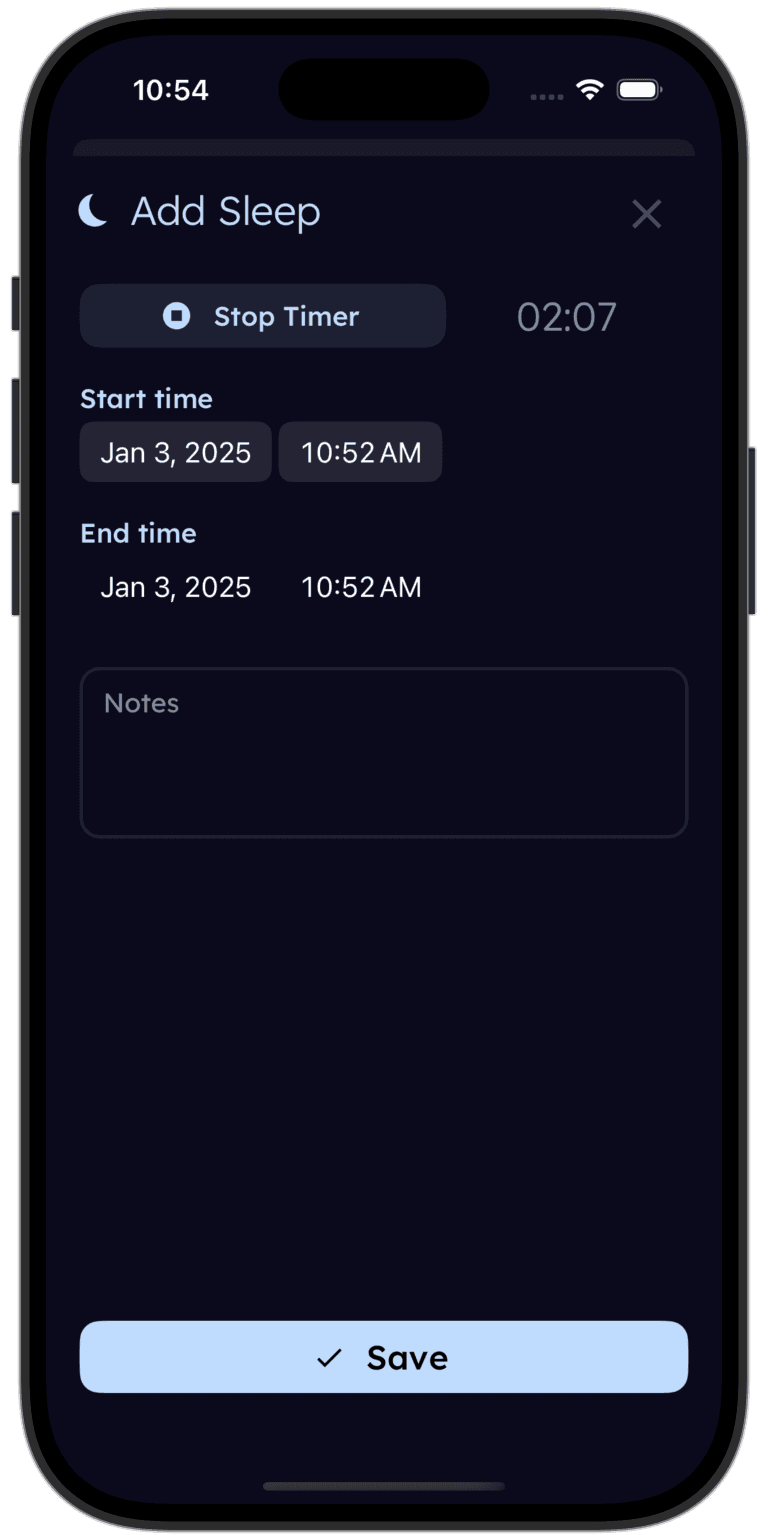
Tinylog sleep training log showing nightly progress

Track which method shows faster results

Tinylog lets you log sleep onset time, crying duration, and night wakings each night. After a few days, you can see whether your chosen method is trending in the right direction — and make data-driven adjustments if it's not.

Download on the App StoreGet It On Google Play

Which Babies Do Better with Which Method

Temperament matters more than age for this decision, though knowing your baby's sleep cycles can help you time the approach well. Babies with strong separation anxiety — who melt down the moment you leave their sight — often do better with the chair method initially. Your physical presence keeps the protest from reaching the panic level, and the gradual distancing is less traumatic than a sudden exit.

Conversely, some babies are more distressed by a parent who is present but not interacting. They reach for you, protest that you won't pick them up, and escalate because you're right there but not responding. For these babies, Ferber's brief, structured check-ins are actually less confusing — you appear, reassure, and leave. The boundary is clearer.

If you're not sure which type your baby is, start with Ferber (it's faster to know if it's working). If check-ins are clearly making things worse after 2-3 nights, switch to the chair method. If you start with the chair method and your baby can't stop engaging with you in the room after 3-4 nights, Ferber may work better.

Making Either Method Work

Regardless of which method you choose, the fundamentals are the same. Start with a consistent bedtime routine (10-15 minutes, same sequence every night). Put baby down drowsy but awake — not asleep, a concept explored further in our rocking to sleep vs. drowsy but awake guide. Make the room dark and cool. Use white noise if it helps. And be boringly consistent.

For Ferber: stick to the intervals. Don't go in early because you can't stand the crying. Don't stay longer than 1-2 minutes during check-ins. Don't pick baby up. For the chair method: don't make eye contact, don't shush repeatedly, don't pick up. Be a calm, boring, silent presence. Both methods fail when parents break the rules because the moment is hard.

Tips That Apply Either Way

Match the method to your baby's anxiety type

Does your baby calm down knowing you're nearby, or does your presence make leaving harder? If your baby can relax with you in the room, the chair method may work beautifully. If they demand interaction and get angrier when you won't engage, Ferber's clean exits may be less confusing.

The chair method requires genuine stillness

The hardest part of the chair method is sitting silently in the dark while your baby protests. No phone (the light stimulates), no shushing (it becomes a crutch), no eye contact (it invites engagement). You're a boring, silent, reassuring lump. This takes real discipline.

Log the details each night

Track how long it took baby to fall asleep, how many times they woke, and how much crying occurred. Both methods show non-linear progress — bad nights happen. Data shows you the downward trend even when individual nights feel like setbacks.

Related Guides

Sources

  • Gradisar, M., et al. (2016). Behavioral Interventions for Infant Sleep Problems: A Randomized Controlled Trial. Pediatrics, 137(6), e20151486.
  • Mindell, J. A., et al. (2006). Behavioral Treatment of Bedtime Problems and Night Wakings in Infants and Young Children. Sleep, 29(10), 1263-1276.
  • West, K., & Kenen, J. (2010). The Sleep Lady's Good Night, Sleep Tight. Vanguard Press.
  • Ferber, R. (2006). Solve Your Child's Sleep Problems. Revised Edition, Fireside.

This guide is for informational purposes only and is not a substitute for professional medical advice. Consult your pediatrician for guidance specific to your baby.

Get this comparison in your inbox.
We'll send you the side-by-side breakdown to help you choose.
Track which method shows faster results for your baby.
Download Tinylog to log sleep training progress night by night.
Download on the App StoreGet It On Google Play