GUIDE

Lactation Consultant vs. Breastfeeding Class

They serve different purposes. Prenatal breastfeeding classes prepare you with knowledge before baby arrives. Lactation consultants solve specific problems once breastfeeding has started. Many families benefit from both at different stages.

Think of it as studying for the exam vs. hiring a tutor when you're stuck. Both are valuable — the timing matters.

Track breastfeeding with Tinylog

Log sessions, pumps, and supply data

That's why we see new babies so often at the pediatrician's office. We want to make sure they're growing well, and we want to address any breastfeeding concerns you have.
Dr. Kristin BarrettDr. Kristin Barrett, MD, Pediatrician, Cleveland Clinic

Two Different Tools for Two Different Jobs

Breastfeeding classes and lactation consultants get lumped together as "breastfeeding support," but they serve fundamentally different purposes. Confusing the two can leave you either overprepared with knowledge you can't apply, or underprepared when a real problem hits.

A breastfeeding class is education. It teaches you how breastfeeding works — the anatomy, the hormones, positioning and latch technique, what normal newborn feeding looks like, and common challenges. The best classes also cover pumping basics, returning to work, and when to seek help. They're most useful taken in the third trimester, before you're in the thick of it.

A lactation consultant — specifically an IBCLC (International Board Certified Lactation Consultant) — is clinical care. They assess your specific situation, watch a feeding in real time, examine your baby's oral anatomy, evaluate your latch, and create a personalized plan. They're the specialist you see when something isn't working. A 2017 study in the Journal of Human Lactation found that a single IBCLC consultation in the first two weeks postpartum was associated with significantly higher breastfeeding rates at 6 months.


Lactation Consultant vs. Breastfeeding Class
Timing
Lactation Consultant (IBCLC)Postpartum — when a specific problem arises or during the first days after birth.
Breastfeeding ClassPrenatal — typically taken during the third trimester to prepare before baby arrives.
Format
Lactation Consultant (IBCLC)One-on-one, hands-on assessment. The IBCLC watches a feeding, checks baby's mouth, evaluates latch in real time.
Breastfeeding ClassGroup or online class covering anatomy, positions, latch technique, troubleshooting basics. Often 2-3 hours.
Personalization
Lactation Consultant (IBCLC)Fully personalized. The consultant assesses your specific anatomy, your baby's specific oral function, and creates a tailored plan.
Breastfeeding ClassGeneral education. Covers common scenarios but can't address your specific situation.
Cost
Lactation Consultant (IBCLC)$150-350 per session for private IBCLC. Often covered by insurance (ACA mandate). Hospital visits may be included in delivery stay.
Breastfeeding Class$0-150 for group classes. Many hospitals and WIC programs offer free options. Online courses range from free to $100+.
Credentials
Lactation Consultant (IBCLC)IBCLCs require 1,000+ clinical hours, college coursework, and board certification. CLCs have shorter training (~45-52 hours).
Breastfeeding ClassInstructors range from IBCLCs to peer counselors to nurses. Quality and depth vary significantly.
Problem-solving ability
Lactation Consultant (IBCLC)Can diagnose and create treatment plans for latch issues, tongue ties, supply problems, and other clinical concerns.
Breastfeeding ClassTeaches general techniques but cannot diagnose or treat specific breastfeeding problems.
Many families benefit from both — a class for preparation and a consultant for problem-solving.

Lactation Consultant Advantages

  • Hands-on, personalized assessment of your specific breastfeeding challenges
  • Can identify anatomical issues like tongue tie or lip tie that classes can't catch
  • Creates individualized feeding plans with specific instructions for your situation
  • Often covered by insurance under ACA breastfeeding support mandates
  • Can make the difference between continuing and stopping breastfeeding when problems arise

An IBCLC is the gold standard for breastfeeding problem-solving.

Lactation Consultant Challenges

  • Expensive out-of-pocket if insurance doesn't cover it or if you need multiple visits
  • Availability can be limited — wait times of 1-2 weeks are common, which feels long when you're struggling
  • Quality varies — not all IBCLCs are equally skilled or current in their practice
  • Can't help you prepare in advance — you need to be postpartum with a baby to consult

Check insurance coverage before assuming you'll pay out of pocket.

Breastfeeding Class Advantages

  • Builds foundational knowledge before baby arrives — you'll know what to expect
  • Significantly cheaper than private consultations, often free
  • Helps partners and support people understand breastfeeding so they can help
  • Covers positioning, latch basics, and normal newborn feeding patterns
  • Reduces anxiety by setting realistic expectations about the early days

Even experienced mothers report learning something new from a good class.

Breastfeeding Class Challenges

  • Can't address your specific anatomy or your baby's specific oral function
  • Group format means limited personal attention
  • Knowledge doesn't always translate to skill — breastfeeding is a physical skill learned by doing
  • Online classes miss the hands-on component entirely
  • May create overconfidence — knowing the theory doesn't prevent problems from arising

A class is preparation, not a replacement for hands-on help if you need it.

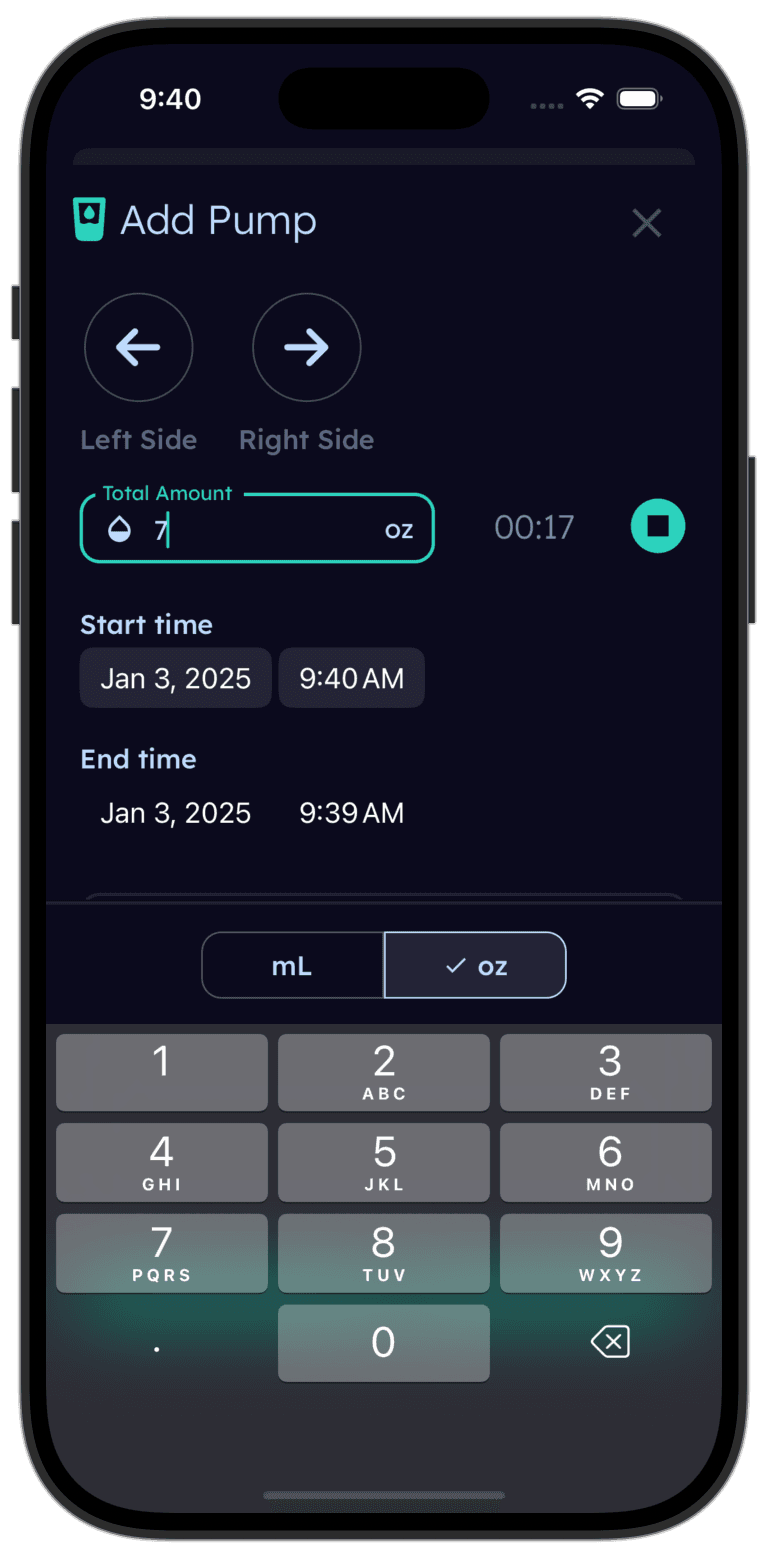
Tinylog breastfeeding and pump tracking showing session details

Feeding data makes lactation consultations more productive

Tinylog logs every breastfeeding session and pump — duration, side, output. When you walk into an IBCLC appointment with a week of clean data, you skip the guesswork and get straight to solutions.

Download on the App StoreGet It On Google Play

How to Choose the Right Breastfeeding Class

Look for classes taught by an IBCLC or experienced lactation professional — not just a labor and delivery nurse who covers breastfeeding as a 20-minute segment of a broader childbirth class. Dedicated breastfeeding classes are 2-3 hours and go deeper into positioning, latch troubleshooting, and what to do when things don't go as planned.

Hospital-based classes are often free or low-cost but vary wildly in quality. Some are excellent; others are outdated. La Leche League meetings offer free peer support and education in a group setting. Online options have exploded in recent years — look for ones that include video demonstrations of positioning and latch, not just slides.

If your partner or support person can attend, bring them. You may also want to consider whether a nursing pillow will be part of your setup, as classes often demonstrate positions with and without one. Research consistently shows that partner support is one of the strongest predictors of breastfeeding success. A partner who understands what good latch looks like and recognizes feeding cues can provide crucial support at 3 AM when you're doubting everything.

When to Book a Lactation Consultant

Don't wait for a crisis. Consider a preventive consultation in the first 2-3 days postpartum, ideally while still in the hospital if your facility has IBCLCs on staff. Many early problems — shallow latch, positioning issues, tongue tie — are easier to address before they cascade into supply problems and nipple damage.

Urgently seek a consultation if you have persistent pain beyond the first few days of initial tenderness, if your baby isn't regaining birth weight by two weeks, if you hear clicking during feeds, if feedings consistently take more than 45 minutes, or if your baby seems frustrated or unsatisfied after nursing. Our guide on breastfeeding latch covers many of these warning signs. These are signs that something specific needs to be assessed and corrected.

Tips That Apply Either Way

Take the class AND have an IBCLC lined up

The best strategy is both: take a prenatal class for knowledge, then have an IBCLC's contact information ready before you deliver. If breastfeeding goes smoothly, great — you saved the consultation fee. If it doesn't, you're not scrambling to find help while sleep-deprived.

Bring data to your consultation

Lactation consultants can help you faster if you bring feeding logs showing timing, duration, and which sides. A week of data is worth more than a verbal summary. This is where a tracking app earns its keep.

Don't wait too long to get help

The number one regret breastfeeding mothers report is waiting too long to see a lactation consultant. A small latch issue in week one can become a supply problem by week three. If something doesn't feel right, get help now — not after another week of trying to power through.

Related Guides

Sources

  • Patel, S., & Patel, S. (2016). The Effectiveness of Lactation Consultants and Lactation Counselors on Breastfeeding Outcomes. Journal of Human Lactation, 32(3), 530-541.
  • Bonuck, K. A., et al. (2014). Randomized controlled trial of a prenatal and postnatal lactation consultant intervention on infant health care use. Archives of Pediatrics & Adolescent Medicine, 168(7), 642-649.
  • ILCA (International Lactation Consultant Association). (2017). Standards of Practice for International Board Certified Lactation Consultants.
  • U.S. Department of Health and Human Services. (2011). The Surgeon General's Call to Action to Support Breastfeeding.

This guide is for informational purposes only and is not a substitute for professional medical advice. Consult your pediatrician for guidance specific to your baby.

Get this comparison in your inbox.
We'll send you the full guide so you can plan your breastfeeding support strategy.
Having feeding data makes lactation consultations far more productive.
Download Tinylog to log breastfeeding sessions, pump output, and notes for your IBCLC.
Download on the App StoreGet It On Google Play