GUIDE

Nursing Pillow vs. No Nursing Pillow

Nursing pillows can help with positioning, especially for new breastfeeders, but they're not essential. Many mothers nurse successfully with regular pillows or no pillow at all. The best choice depends on your body, your baby's size, and your preferred positions.

This is one of those products where the marketing suggests necessity but the reality is closer to 'nice to have.'

Track feedings with Tinylog

Log feeding positions and comfort

It's all personal preference. It's going to depend on the size of the baby and your breast size. I recommend parents try all positions to see what works best for them.
Jessica CostaJessica Costa, APRN, CNM, Certified Nurse Midwife, Cleveland Clinic

The Honest Answer About Nursing Pillows

Nursing pillows are one of those products that appear on every "baby essentials" registry list, right between the bottle warmer and the diaper pail. The marketing implies they're necessary for successful breastfeeding. The reality is more nuanced: some parents swear by them, some try them and ditch them within a week, and many successful breastfeeders never use one at all.

The primary benefit of a nursing pillow is ergonomic support. Newborns feed 8-12 times a day, and each session can last 20-40 minutes. That's hours of holding a baby at breast height. A nursing pillow reduces the strain on your arms, shoulders, and back by creating a stable platform at the right height. For parents recovering from C-sections, a firm nursing pillow can keep baby's weight off the incision.

But here's what the product listings don't tell you: nursing pillows can also interfere with breastfeeding. A 2019 commentary in the Journal of Human Lactation noted that some lactation consultants routinely remove nursing pillows during consultations because the pillow was part of the latch problem — positioning baby too high, too far from the mother's body, or at an angle that prevented a deep latch. The pillow that's supposed to help can sometimes create the very problem you're trying to solve.

Nursing Pillow vs. No Pillow
Positioning support
Nursing PillowDesigned to sit at the right height around your waist, bringing baby to breast level. Reduces arm and shoulder strain.
No Nursing PillowRegular pillows, folded blankets, or your arms provide similar support but require more adjustment.
Latch quality
Nursing PillowCan help with latch by stabilizing baby's position. Can also hurt latch if pillow positions baby incorrectly.
No Nursing PillowNo pillow interference — allows more natural, body-to-body positioning. Some lactation consultants prefer this.
Cost
Nursing Pillow$30-65 for popular models (Boppy, My Brest Friend). Plus covers and replacement costs.
No Nursing Pillow$0. Regular bed pillows and couch cushions are free if you already own them.
Portability
Nursing PillowBulky to carry. Not practical for nursing on the go.
No Nursing PillowNo extra item to pack. You can nurse anywhere with just your arms or whatever's nearby.
Versatility
Nursing PillowSome (like the Boppy) double as baby lounger, tummy time prop, and sitting support. Others are nursing-specific.
No Nursing PillowNo additional gear to store, wash, or carry. One less thing to deal with.
Body type considerations
Nursing PillowWorks best for average-height torsos. Very short or tall parents may find standard pillows don't position correctly.
No Nursing PillowYou can customize your setup with whatever pillow combination matches your body.
A nursing pillow is a comfort tool, not a breastfeeding requirement.

Nursing Pillow Advantages

  • Reduces arm, shoulder, and back fatigue during long nursing sessions
  • Provides consistent positioning — helpful when you're learning in the early weeks
  • Some models (My Brest Friend) clip around your body so they don't slide
  • Can be helpful for C-section recovery — keeps baby off the incision area
  • Multi-use options (Boppy) provide value beyond just nursing

The ergonomic benefits are real, especially in the first weeks when feeding frequency is highest.

Nursing Pillow Challenges

  • Can position baby too high or too far from the body, causing latch issues
  • Becomes a crutch — some parents feel they can't nurse without it
  • Adds bulk to your nursing setup — not portable for on-the-go feeding
  • One more item to buy, wash, and store
  • Standard sizes don't work for all body types — short-torso or plus-size parents may need alternatives

If your pillow isn't helping, don't assume you need a better pillow — try without one.

No-Pillow Advantages

  • No cost — use what you already have
  • Allows more natural, skin-to-skin positioning without a barrier between you and baby
  • Some lactation consultants prefer no pillow for teaching proper latch technique
  • Flexible — nurse anywhere without needing a specific product
  • Forces you to develop positioning skills that work in any setting

Many experienced breastfeeders end up ditching the pillow naturally as they and baby become more skilled.

No-Pillow Challenges

  • Can lead to more arm and shoulder fatigue, especially during long or frequent newborn sessions
  • Requires more active effort to maintain baby at the right height
  • May be harder for beginners who are still learning to coordinate positioning and latch
  • Less helpful for twins or tandem nursing where extra support is almost necessary

Arm fatigue is real. If you're going pillow-free, supportive armrests and good positioning help.

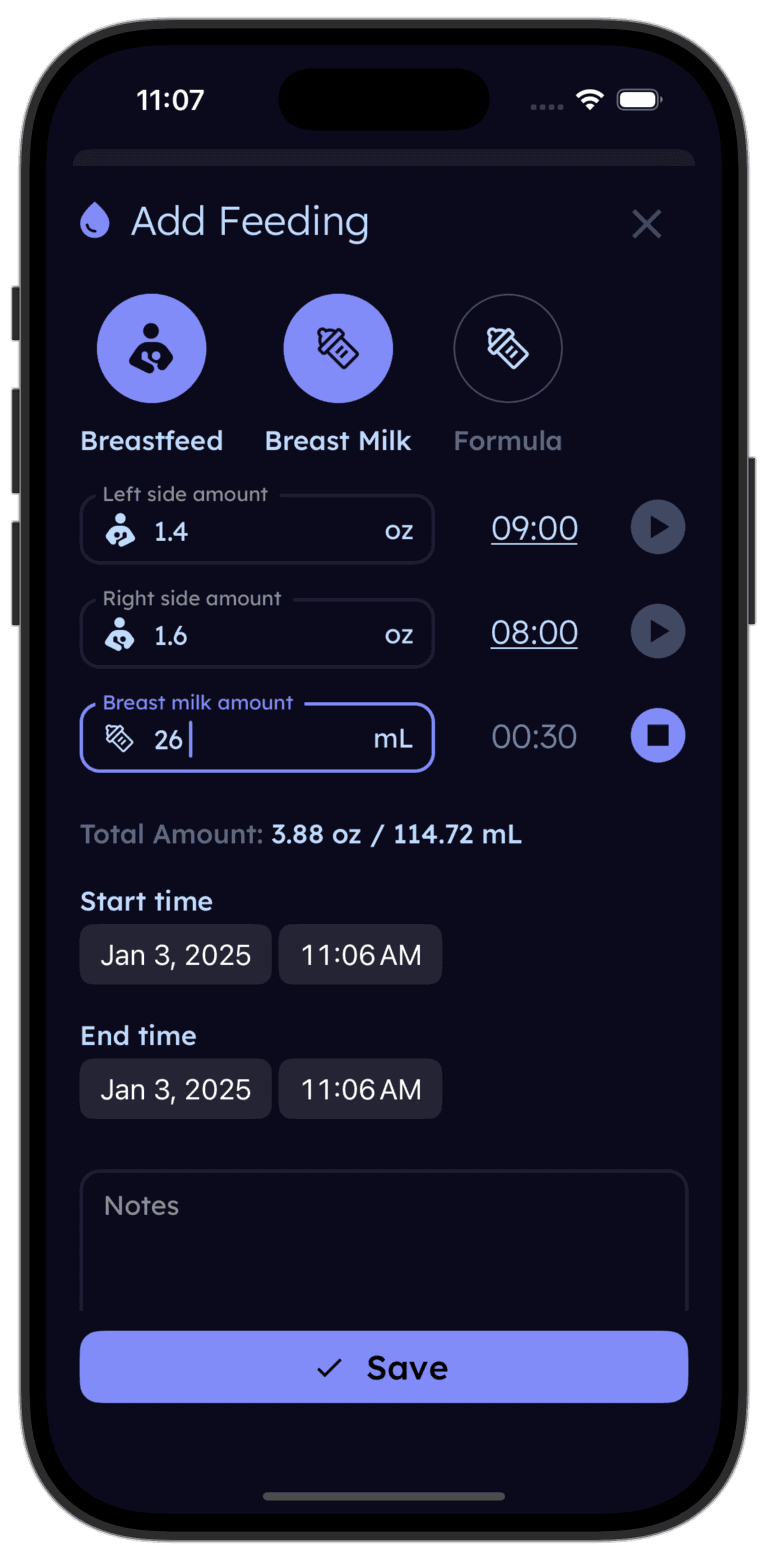
Tinylog feeding log showing breastfeeding session details

Track what works — pillow or no pillow

Tinylog lets you log every feeding session with notes. Track which positions and setups lead to comfortable, effective feeds so you can repeat what works and adjust what doesn't.

Download on the App StoreGet It On Google Play

Who Benefits Most from a Nursing Pillow

Nursing pillows tend to be most helpful for first-time breastfeeders who are still learning positioning, C-section recoveries where keeping weight off the abdomen matters, parents of twins or multiples who need hands-free support for tandem feeding, and people with shorter torsos where the distance between lap and breast is small and a standard pillow is too thick.

They tend to be less useful for parents with larger breasts (baby may already be at breast height without elevation), people who prefer laid-back or side-lying nursing positions (pillow gets in the way), experienced breastfeeders who have developed their own comfortable positioning, and anyone who nurses primarily on the go.

The bottom line: if you think you might want one, add it to your registry. If someone gifts it to you, try it. But don't stress about having one before baby arrives. A firm bed pillow on your lap provides similar support, and many parents discover that's all they need.


What Actually Matters for Comfortable Breastfeeding

More than any product, what makes breastfeeding comfortable is technique. Bring baby to breast, not breast to baby — this single principle prevents most of the back and neck pain new breastfeeders experience. Experimenting with different breastfeeding positions can help you find what works with or without a pillow. Your baby's body should be facing you, ear-shoulder-hip aligned, with their nose at nipple level before latching.

Good furniture matters more than good pillows. A chair with supportive armrests, a footstool to raise your knees slightly, and a surface to set your water bottle are the unsung heroes of comfortable nursing. Many parents end up spending more time in their "nursing station" than in any other spot in the house for the first few months.

Tips That Apply Either Way

Try before you buy

If possible, borrow a nursing pillow before purchasing. Many parents buy one during pregnancy and discover it doesn't work for their body or their baby's size. Hospital lactation consultants often have different models you can test.

Watch for the pillow-latch trap

If you're having latch problems with a nursing pillow, try a session without it. Some babies latch better when brought directly to the breast without a pillow in between. If removing the pillow fixes the latch, the pillow is the problem.

Your posture matters more than the pillow

No pillow will compensate for nursing hunched over. Bring baby to the breast, not breast to baby. Whether you use a nursing pillow, a regular pillow, or nothing — sit upright, shoulders back, and let baby come to you.

Related Guides

Sources

  • Colson, S. D., et al. (2008). Optimal positions for the release of primitive neonatal reflexes stimulating breastfeeding. Early Human Development, 84(7), 441-449.
  • Wambach, K., & Spencer, B. (2019). Breastfeeding and Human Lactation. 6th Edition, Jones & Bartlett Learning.
  • Kronborg, H., et al. (2015). Early breastfeeding cessation: validation of a prognostic score. Acta Paediatrica, 104(7), 715-723.
  • ILCA Clinical Guidelines. (2017). Clinical Guidelines for the Establishment of Exclusive Breastfeeding.

This guide is for informational purposes only and is not a substitute for professional medical advice. Consult your pediatrician for guidance specific to your baby.

Get this comparison in your inbox.
We'll send you the breakdown so you can decide before baby arrives.
Whatever your setup, tracking feeds helps you see what's working.
Download Tinylog to log feedings, positions, and notes on what felt best.
Download on the App StoreGet It On Google Play