
GUIDE
Miracle Blanket Swaddle vs. Kyte Baby Sleep Bag
Published on
These products serve different sleep stages. The Miracle Blanket is a snug swaddle for newborns who need that tight, womb-like wrap to calm the startle reflex. The Kyte Baby Sleep Bag is a wearable blanket for older babies who've moved past swaddling. Most families will use a swaddle first, then switch to a sleep sack around 3–4 months.
The Miracle Blanket and the Kyte Baby Sleep Bag are both popular baby sleepwear picks, but they tackle different problems at different ages. The Miracle Blanket uses a unique arm-flap system to keep even the most determined Houdini babies wrapped tight. The Kyte Baby Sleep Bag replaces loose blankets with buttery-soft bamboo rayon fabric for babies from about 4 months through toddlerhood. Many parents end up owning both.
Log naps, night sleep, and wake windows
Two Different Products for Two Different Problems
The Miracle Blanket and the Kyte Baby Sleep Bag show up in a lot of the same "best baby sleepwear" lists, which makes it easy to think they're competitors. They're not — they solve different problems at different ages.
The Miracle Blanket is a swaddle. It wraps your newborn's arms snug against their body to dampen the Moro (startle) reflex that wakes babies up. It's built for the first few months of life, and it's famously effective on babies who Houdini their way out of every other swaddle on the market.
The Kyte Baby Sleep Bag is a wearable blanket. Arms are completely free. It replaces loose blankets in the crib (which are unsafe for babies under 12 months) and keeps your baby warm through the night. It's designed for babies who've outgrown swaddling — typically from about 4 months onward.
If your baby is a newborn, you probably need the swaddle first. If your baby is already rolling or past the swaddle stage, skip straight to the sleep sack.
A lot of parents ask us which one is "better." That's the wrong framing — it's like asking whether a car seat or a booster seat is better. They're for different phases. Here's how they stack up on the specifics.
| Feature | Miracle Blanket | Kyte Baby Sleep Bag | What It Means |
|---|---|---|---|
| Type | Swaddle wrap | Wearable blanket (sleep sack) | Different products for different stages. Swaddle first, sleep sack after. |
| Age range | Newborn to ~3–4 months (or first signs of rolling) | ~4 months through toddlerhood (sizes up to 36 months) | Minimal overlap. Most families use the Miracle Blanket first, then switch. |
| Fabric | 100% breathable cotton | Bamboo rayon (97% bamboo rayon, 3% spandex) | Both are soft. Kyte Baby's bamboo rayon is silkier and more temperature-regulating. |
| Design | Arm flaps + foot pouch — no velcro, no zippers | Sleeveless sack with two-way zipper | Miracle Blanket's arm-flap system is great for escape artists. Kyte's zipper makes diaper changes easy. |
| Ease of use | Moderate — takes a few tries to learn the wrapping technique | Very easy — zip up and done | Kyte Baby wins on simplicity. Miracle Blanket has a learning curve but becomes second nature fast. |
| Escape resistance | Excellent — the arm flaps prevent most breakouts | N/A — arms are free | The Miracle Blanket is one of the hardest swaddles for babies to escape. |
| Temperature regulation | Good — breathable cotton, single layer | Excellent — bamboo rayon wicks moisture and regulates heat | Kyte Baby's bamboo fabric is naturally thermoregulating. The Miracle Blanket can run warm on hot nights. |
| Hip safety | Hip-healthy — legs free in foot pouch with room to bend | Hip-healthy — roomy sack allows natural leg movement | Both allow proper hip positioning. Neither restricts leg movement. |
| Sizing | One size (fits ~6–18 lbs) | Multiple sizes (0–6M, 6–18M, 18–36M) | One-size Miracle Blanket keeps things simple. Kyte Baby grows with your child across multiple sizes. |
| Washing | Machine wash, tumble dry low | Machine wash cold, tumble dry low | Both are machine washable. Kyte Baby recommends cold water to preserve the bamboo fibers. |
| Certifications | None listed | OEKO-TEX Standard 100 certified | Kyte Baby's OEKO-TEX certification means the fabric has been tested for harmful substances. |
The Fabric Story
Fabric matters more than most parents realize when it comes to sleepwear. Your baby spends 14–17 hours a day sleeping in this stuff.
The Miracle Blanket uses straightforward 100% cotton. It's breathable, soft, and does the job well. Cotton is a known quantity — it washes easily, dries fast, and doesn't trap excessive heat. The downside is that cotton doesn't regulate temperature as actively as some newer fabrics, so on warmer nights your baby might run a little hot.
The Kyte Baby Sleep Bag uses bamboo rayon (sometimes called bamboo viscose). This fabric is noticeably silkier to the touch — parents often describe it as "buttery." Bamboo rayon wicks moisture away from skin and adjusts to body temperature more dynamically than cotton. It also carries an OEKO-TEX Standard 100 certification, which means the fabric has been independently tested for over 100 harmful substances.
The tradeoff: bamboo rayon is more expensive and requires gentler washing (cold water recommended). Cotton is cheaper, more durable in the wash, and perfectly fine for most babies.
Bottom line on fabric: if your baby runs warm or you live somewhere humid, bamboo rayon has a real edge. If you just want something simple that you can throw in the wash on hot without thinking about it, cotton is great.
The Escape Artist Problem
Here's where the Miracle Blanket genuinely shines. If you've tried swaddles with velcro tabs or zip-up designs and your baby breaks free within minutes, the Miracle Blanket's arm-flap system is worth trying.
Instead of relying on velcro or zippers, the Miracle Blanket uses two internal fabric flaps that wrap each arm individually before the outer blanket wraps around the whole body. There's a foot pouch at the bottom that keeps the blanket from riding up. The result is a snug wrap that most babies simply cannot escape.
It does take a few practice runs to get the technique down — expect some fumbling at 2 AM during the first week. But once you've got it, the whole wrap takes about 30 seconds. Plenty of parents call it the only swaddle that actually held their baby.
The Kyte Baby Sleep Bag doesn't need to solve this problem because the arms are free. There's nothing to escape from. You just zip it up.
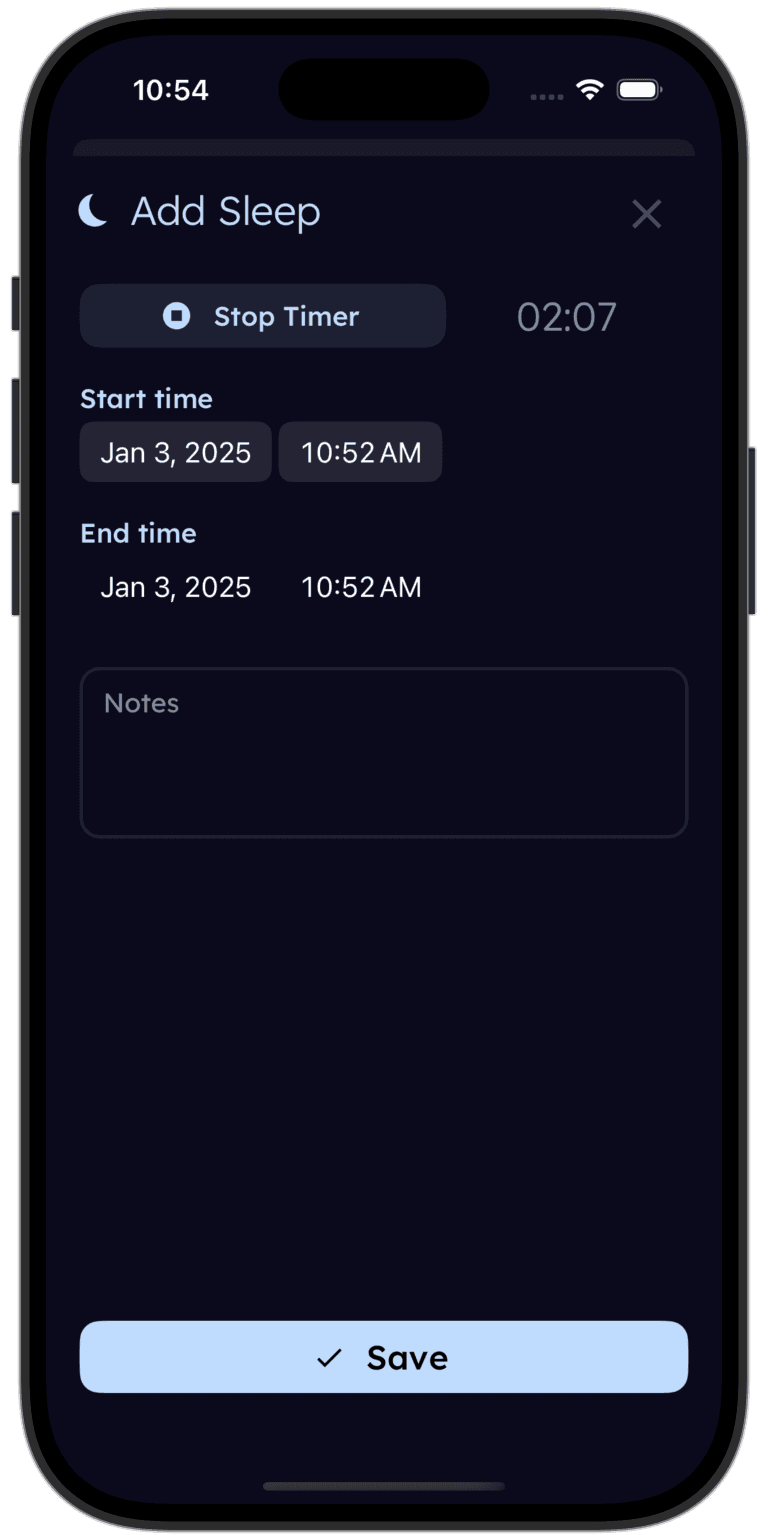
Tinylog tracks sleep so you can see what's working.
Log naps, night stretches, and sleepwear changes. See if the swaddle-to-sleep-sack switch affected overnight sleep duration. Bring the data to your next pediatrician visit.


When to Transition
The single most important timing question with baby sleepwear: when do you stop swaddling?
The answer is straightforward. You stop swaddling when your baby shows signs of rolling, which typically happens between 3–4 months. Once a baby can roll onto their stomach, being swaddled with arms pinned is a suffocation risk. This is not optional — it's a safety rule.
When that transition happens, you move from a swaddle (like the Miracle Blanket) to a sleep sack (like the Kyte Baby Sleep Bag). Some babies handle the switch immediately. Others need a few rough nights to adjust to having their arms free. A gradual transition — one arm out for a few nights, then both arms out — can help.
The Kyte Baby Sleep Bag picks up right where the Miracle Blanket leaves off, and it carries your baby through to toddlerhood with multiple size options.
| Product | Typical Price | Cost Per Night | Notes |
|---|---|---|---|
| Miracle Blanket Swaddle (one size) | $30–$35 | ~$0.25–$0.35/night over 3 months | One blanket lasts the entire swaddle phase |
| Kyte Baby Sleep Bag (1.0 TOG, single) | $36–$42 | ~$0.10–$0.15/night over 6–12 months | Need to buy new sizes as baby grows |
| Kyte Baby Sleep Bag (0.5 TOG, single) | $34–$40 | ~$0.10–$0.15/night over 6–12 months | Lighter weight for warmer rooms or summer months |
Price: Different Math
The sticker prices look similar — roughly $30–$42 per item — but the long-term math differs.
The Miracle Blanket is a one-time purchase. One swaddle covers the entire newborn swaddle phase (roughly 0–3 months). You might buy a second one so you always have a clean backup, but that's it. Total cost: $30–$70.
The Kyte Baby Sleep Bag requires buying new sizes as your baby grows. You'll likely need at least two sizes between 4 months and 2 years, and most parents buy two per size (one to wear, one in the wash). That's 4–6 sleep sacks total, which adds up to $140–$250 over time.
Here's the thing: you'd spend that money on some sleep sack regardless. The question isn't Miracle Blanket vs. Kyte Baby — you'll probably buy both. The real question is whether the Kyte Baby Sleep Bag is worth the premium over cheaper sleep sack alternatives. For most parents who've tried it, the fabric quality makes it worth the extra cost.
Choose the Miracle Blanket If
- Your baby is under 3–4 months old and still has a strong startle reflex
- Your baby is a swaddle escape artist who breaks out of velcro and zip-up swaddles
- You want a swaddle with no velcro or zippers that could irritate skin
- You prefer simple cotton fabric without extra features
- Your baby sleeps noticeably better when their arms are held snug against their body
Choose the Kyte Baby Sleep Bag If
- Your baby is older than 3–4 months or has started rolling
- You want buttery-soft bamboo rayon fabric that regulates temperature
- Easy on-and-off matters to you — especially for middle-of-the-night diaper changes
- You want OEKO-TEX certified sleepwear with tested-safe fabric
- Your baby runs warm and needs moisture-wicking material
- You want a sleep sack that comes in multiple sizes through toddlerhood
Where to Buy
The Miracle Blanket Swaddle (~$30–$35) is the go-to pick for the newborn phase, especially if your baby fights their way out of other swaddles. The arm-flap design is genuinely unique, and the 100% cotton fabric is simple and reliable. Buy directly from their site or grab it on Amazon.
Once your baby outgrows swaddling, the Kyte Baby Sleep Bag (~$36–$42) is one of the softest, most temperature-friendly sleep sacks you can buy. The bamboo rayon fabric lives up to the hype, and the two-way zipper makes 3 AM diaper changes much less painful. Available on the Kyte Baby website or Amazon.
Honestly, most families end up buying both — the Miracle Blanket for months 0–3 and the Kyte Baby Sleep Bag for everything after. They complement each other well.
Tinylog earns a small commission on purchases made through these links, at no cost to you.
Want to save a few bucks? promo.new is worth a quick look. It won't always have your product, but when it does, the savings are real.
The Bottom Line
The Miracle Blanket and the Kyte Baby Sleep Bag aren't really competitors — they're teammates that cover different stages of your baby's first couple of years.
The Miracle Blanket is the better choice for newborns who need a snug, escape-proof swaddle. Its arm-flap system is one of the most effective on the market, and the simple cotton construction does exactly what it needs to do.
The Kyte Baby Sleep Bag takes over once swaddling is done. The bamboo rayon fabric is genuinely luxurious, temperature regulation is excellent, and the sizing range carries you through toddlerhood.
If you're trying to decide between them for a newborn, start with the Miracle Blanket now and plan on the Kyte Baby Sleep Bag for later. If your baby is already past the swaddle stage, go straight to the Kyte Baby Sleep Bag.
Track your baby's sleep in Tinylog as you make the switch — seeing the data makes it a lot easier to tell whether new sleepwear is actually making a difference.
Related Guides
- Love to Dream vs. Kyte Baby Sleep Bag — Another popular swaddle-to-sleep-sack comparison
- Halo SleepSack Swaddle vs. Miracle Blanket — Two swaddle designs compared
- Woolino vs. Kyte Baby Sleep Bag — Merino wool vs. bamboo rayon sleep sacks
- Baby Sleep Regression — What's happening and how to get through it
Sources
- MiracleBlanket.com. "Miracle Blanket — How It Works." 2026.
- KyteBaby.com. "Kyte Baby Sleep Bag — Product Information." 2026.
- American Academy of Pediatrics. "Safe Sleep: Back is Best." healthychildren.org, 2025.
- International Hip Dysplasia Institute. "Hip-Healthy Swaddling." hipdysplasia.org.
- OEKO-TEX. "Standard 100 by OEKO-TEX — What It Means." oeko-tex.com.
- Mommyhood101. "Best Swaddles and Sleep Sacks of 2026, Tested & Reviewed." mommyhood101.com.
This guide is for informational purposes only. Always follow the AAP's safe sleep guidelines. If your baby has difficulty sleeping or you have concerns about their sleep patterns, talk to your pediatrician.
Frequently asked questions
- Can I use the Miracle Blanket and Kyte Baby Sleep Bag at the same time?
- Not at the same time, but many families use them back-to-back. The Miracle Blanket is meant for newborns (roughly 0–3 months) who still have the Moro reflex. Once your baby shows signs of rolling or breaks out of the swaddle consistently, you transition to a sleep sack like the Kyte Baby Sleep Bag.
- Is the Miracle Blanket safe for newborns?
- Yes, when used correctly. The Miracle Blanket keeps arms snug against the body and allows the hips to move freely in a natural frog-leg position. Always follow safe sleep guidelines — baby on their back, firm flat surface, no loose bedding. Stop swaddling when your baby starts showing signs of rolling.
- Why are Kyte Baby Sleep Bags so pricey?
- Kyte Baby uses bamboo rayon fabric, which is softer and more breathable than standard cotton or polyester. The fabric is also OEKO-TEX certified. You are paying for material quality, temperature regulation, and durability. Many parents say they hold up well through multiple kids.
- What if my baby breaks out of the Miracle Blanket?
- The Miracle Blanket's arm flaps are specifically designed to prevent breakouts, and it works better than most traditional swaddles for escape artists. If your baby still breaks free, make sure you are wrapping snugly enough — there should be no slack in the arm flaps. Some very strong babies will eventually outgrow any swaddle, which is a sign they are ready to transition.
- What TOG rating does the Kyte Baby Sleep Bag come in?
- Kyte Baby Sleep Bags come in 1.0 TOG, which is suitable for room temperatures between 68–72°F (20–22°C). For warmer rooms, they also offer a 0.5 TOG version. The bamboo rayon fabric naturally regulates temperature, so most babies do well in the 1.0 TOG year-round in climate-controlled homes.
- When should I switch from the Miracle Blanket to the Kyte Baby Sleep Bag?
- Most babies transition between 3–4 months, or whenever they start showing signs of rolling. Some families do a gradual transition by swaddling with one arm out for a few nights before switching fully to the sleep sack. The key signal is rolling — once your baby can roll, swaddling is no longer safe.