GUIDE

One Nap vs. Two Naps

Most babies transition from two naps to one between 13-18 months. The sweet spot is usually around 14-15 months, but your baby's behavior — not a calendar — should drive the decision.

This is the hardest nap transition. Here's how to get through it.

Track nap patterns in the app

Log naps and spot the transition signs

Transitioning away from naptime is a process. It won't happen overnight.
Dr. Lisa DiardDr. Lisa Diard, MD, Pediatrician, Cleveland Clinic

The Trickiest Nap Transition

The 2-to-1 nap transition is widely considered the most difficult nap change in the first two years. The 3-to-2 transition happens naturally and often goes unnoticed. But dropping from two naps to one requires a significant leap in your baby's ability to stay awake for longer stretches — and it rarely happens smoothly.

The typical transition window is 13-18 months. Research on infant sleep architecture shows that around this age, the homeostatic sleep drive and circadian rhythm mature enough to sustain 5-6 hour wake windows. Before this — particularly before 12 months — most babies simply can't stay awake long enough for a one-nap schedule without becoming overtired.

The transition itself usually takes 2-4 weeks, and those weeks can feel chaotic. Some days your baby will clearly need two naps. Other days they'll refuse the second nap entirely. This in-between phase is normal. The mistake most parents make is forcing consistency too early — switching to one nap cold turkey when their baby still needs two on some days.

One Nap vs. Two Naps — Side by Side
Typical age
One Nap13-18 months and beyond
Two Naps6-14 months (most babies on two naps by 6-8 months)
Total daytime sleep
One Nap2-3 hours in one midday block
Two Naps2.5-3.5 hours split across morning and afternoon naps
Wake windows
One Nap5-6 hours before and after the nap
Two Naps2.5-3.5 hours between sleeps, depending on age
Bedtime
One NapMay need an earlier bedtime initially (6:00-6:30 PM) to prevent overtiredness
Two NapsStandard bedtime around 7:00-7:30 PM
Schedule flexibility
One NapLess flexible — one nap means the timing is critical. A missed nap affects the whole day.
Two NapsMore flexible — if one nap is short, the second compensates.
Parent convenience
One NapOne nap means longer stretches of awake time for activities, errands, and outings.
Two NapsTwo naps limit your outing windows but provide more breaks during the day.
Most babies transition between 13-18 months. Individual readiness varies.

One Nap Advantages

  • Longer awake stretches for activities, outings, and social time with other families
  • Simpler schedule — one nap to plan around instead of two
  • The single nap tends to be longer and more restorative (2-3 hours vs. two shorter naps)
  • Aligns with most daycare schedules, which typically switch to one nap around 12-15 months
  • Bedtime may shift earlier, giving parents a longer evening

These benefits emerge once the transition is complete. During the transition, it may feel like all cons.

One Nap Challenges

  • Long morning awake stretch can be hard initially — baby may be cranky before the nap
  • A missed or short nap has a bigger impact since there's no backup nap
  • The transition period (2-4 weeks) is often messy with inconsistent nap patterns
  • Too-early transition leads to overtiredness, worse night sleep, and early morning wake-ups

An early bedtime during the transition prevents most overtiredness issues.

Two Naps Advantages

  • Shorter wake windows reduce the chance of overtiredness
  • Two naps provide more flexibility — if one nap is a disaster, the next one can compensate
  • Appropriate for the developmental stage when babies still need more frequent rest
  • Parents get two breaks during the day instead of one
  • Better aligned with the sleep needs of babies under 14 months

If two naps are still working well, there's no reason to change.

Two Naps Challenges

  • Two naps limit the length of outings and activities
  • Morning nap can start competing with the afternoon nap — one or both may shorten
  • Schedule feels rigid — everything revolves around two nap windows
  • Eventually becomes unsustainable as baby's sleep needs decrease and wake windows lengthen naturally

When two naps stop working — nap refusal, short naps, bedtime battles — that's when to consider the switch.

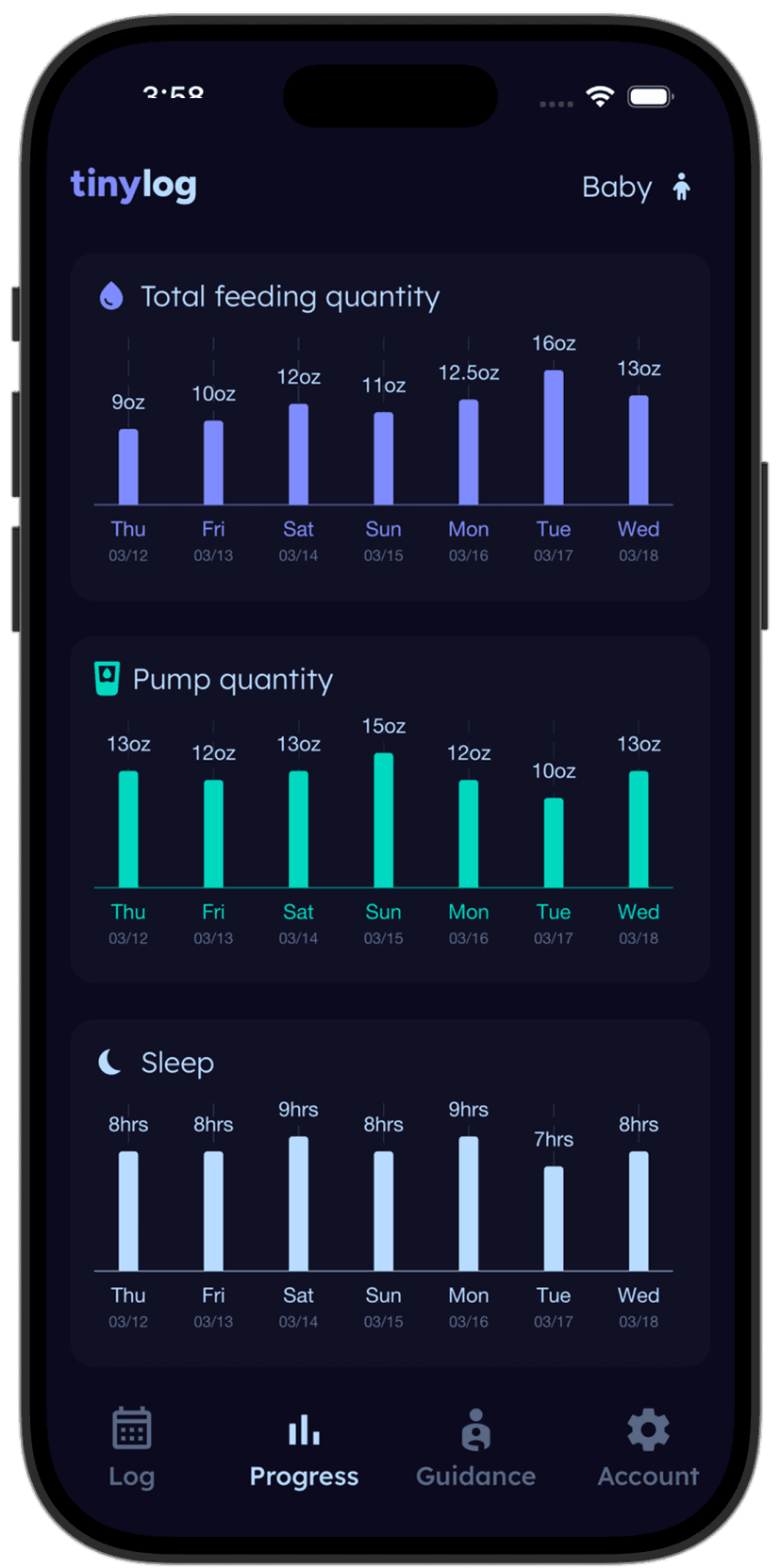
Tinylog trends view showing nap pattern changes over time

Nap data shows you when the transition is ready.

Track daily naps with Tinylog and spot the pattern: shortened second naps, increasing nap refusal, or later bedtime drift. The trends view makes the readiness signs obvious.

Download on the App StoreGet It On Google Play

Readiness Signs vs. False Alarms

Not every nap hiccup means it's time to transition. Here's how to tell the difference.

Real readiness signs (sustained over 10-14 days): consistently fighting or refusing the second nap, taking 30+ minutes to fall asleep for the afternoon nap, the afternoon nap pushing so late that bedtime is disrupted, or nighttime sleep quality declining despite no other changes.

False alarms: a few days of nap refusal around 11-12 months (likely the 12-month regression), nap resistance during teething or illness, one particularly active day where baby skips a nap, or the morning nap going long and the afternoon nap shortening (this is a schedule adjustment issue, not a transition signal).

The key diagnostic: if you push the morning nap later by 30 minutes and the afternoon nap recovers, your baby isn't ready to transition — they just needed a schedule tweak. If pushing the morning nap later doesn't help and the second nap continues to suffer, the transition is probably warranted.


How to Make the Switch

When you're confident your baby is ready, the gradual approach works best for most families. Push the morning nap later by 15-30 minutes every 2-3 days until it lands around 12:00-1:00 PM. During this shift, offer an early bedtime (6:00-6:30 PM) to prevent overtiredness from the longer morning wake window.

Allow inconsistency during the transition. If your baby wakes up early and is clearly exhausted by 10 AM, offer a short morning nap (cap it at 20-30 minutes) and then an afternoon nap. On days where they seem fine until midday, go straight to one nap. This flexible approach prevents the sustained overtiredness that makes everything worse.

Within 2-4 weeks, most babies settle into a predictable one-nap pattern: wake around 6:30-7:00 AM, nap from 12:00-2:30 PM, bedtime at 7:00-7:30 PM.

Tips That Apply Either Way

Watch the pattern, not a single day

One day of nap refusal doesn't mean your baby is ready to transition. Look for a consistent pattern over 10-14 days: fighting the second nap, taking 30+ minutes to fall asleep for it, or bedtime becoming a struggle. A few off days could be teething or a regression.

Use an early bedtime as your safety net

During the transition, when your baby can't quite make it to a normal 7 PM bedtime on one nap, move bedtime to 6:00-6:30 PM. This prevents overtiredness from wrecking nighttime sleep. It's temporary — bedtime will normalize within 2-4 weeks.

Daycare may force your hand

Many daycares switch to one nap around 12-15 months regardless of whether your baby is ready. If this happens, compensate with an early bedtime on daycare days and offer two naps on weekends if needed.

Related Guides

Sources

  • Galland, B. C., et al. (2012). Normal Sleep Patterns in Infants and Children: A Systematic Review. Sleep Medicine Reviews, 16(3), 213-222.
  • Weissbluth, M. (2015). Healthy Sleep Habits, Happy Child. 4th Edition, Ballantine Books.
  • Mindell, J. A., et al. (2016). Development of Infant and Toddler Sleep Patterns. Sleep Medicine, 18, 50-56.
  • Iglowstein, I., et al. (2003). Sleep Duration from Infancy to Adolescence: Reference Values and Generational Trends. Pediatrics, 111(2), 302-307.

This guide is for informational purposes only and is not a substitute for professional medical advice. Consult your pediatrician for guidance specific to your baby.

Get this comparison in your inbox.
We'll send you this guide so you can spot the readiness signs and plan the transition.
Nap tracking makes the transition visible.
Download Tinylog — log naps daily and see when your baby's pattern is ready to shift.
Download on the App StoreGet It On Google Play