GUIDE

Picky Eating in Babies and Toddlers

Picky eating typically peaks between 18-24 months and is a normal part of development called food neophobia — fear of new foods. Most kids grow out of it. A few need help.

Your toddler who ate everything at 9 months and now only accepts 4 foods? That's frustratingly normal.

Why Picky Eating Happens

If your baby ate everything at 8 months — spinach, lentils, fish, the works — and your 18-month-old now survives on crackers, yogurt, and bananas, you're wondering what went wrong. Probably nothing.

Food neophobia — the fear or rejection of unfamiliar foods — is a normal developmental phase that typically begins around 18-24 months and peaks between ages 2-6. Evolutionary psychologists believe it's a protective mechanism: toddlers who are newly mobile and could potentially eat dangerous things in the wild benefit from being suspicious of unfamiliar foods.

That's cold comfort when your toddler won't eat anything green, but it's important context. This isn't a failure of parenting. It isn't because you gave them too many pouches or not enough variety as a baby. It's a developmental phase that nearly all children go through to some degree.

The intensity varies enormously. Some toddlers are mildly selective — they have preferences but still eat a reasonable range. Others are intensely neophobic — they reject anything unfamiliar and may survive on a very limited rotation. Most fall somewhere in between.

Normal Picky Eating vs. Something More
Number of accepted foods
Normal Picky Eating15-30+ foods, even if they rotate. Has preferences but eats from most food groups.
May Need Professional HelpFewer than 10-15 accepted foods. Drops foods without replacing them. Entire food groups excluded.
Response to new foods
Normal Picky EatingSays no, pushes food away, but can tolerate the food being on the plate. May eventually try it after many exposures.
May Need Professional HelpExtreme distress — crying, gagging, retching, or leaving the table at the sight of new foods.
Growth
Normal Picky EatingNormal growth trajectory. Following their curve, even if it's not the 50th percentile.
May Need Professional HelpWeight loss, falling off growth curve, or failure to gain weight appropriately.
Textures
Normal Picky EatingHas preferences (crunchy over soft, or vice versa) but can eat a range of textures.
May Need Professional HelpExtreme texture aversion — only eats one texture (e.g., only smooth purees, or only crunchy dry foods).
Mealtimes
Normal Picky EatingSome meals are better than others. Sometimes eats well, sometimes barely eats. Overall adequate intake over days.
May Need Professional HelpEvery mealtime is stressful. Child is anxious or distressed about eating. Meals regularly end in tears.
Trajectory
Normal Picky EatingGradually accepts new foods over time with repeated, pressure-free exposure.
May Need Professional HelpFood repertoire is shrinking. Losing accepted foods without gaining new ones.
Most children fall solidly in the 'normal' column. If your child checks multiple boxes in the 'concerning' column, a conversation with your pediatrician or a feeding therapist is worthwhile.

Strategies That Actually Work

Serve new foods alongside accepted foods

Always include at least one food you know your child will eat at every meal. Then add the new or challenging food on the same plate. No pressure to eat the new food — it just needs to be present. Over many exposures, familiarity increases acceptance.

Don't make separate 'kid meals'

If the family is eating chicken stir-fry and your toddler only wants plain noodles, put some plain noodles on their plate AND some of the stir-fry. They don't have to eat the stir-fry, but it should be there. Making entirely separate meals teaches kids that family food isn't for them.

Let them see you eat it

Children learn food acceptance by watching others eat. Eat the food yourself with enjoyment. Don't oversell it ('Mmm, this broccoli is SO YUMMY!') — kids see through that. Just eat it normally. Siblings and peers are even more influential than parents.

Involve them in food prep

Toddlers who help wash vegetables, stir batter, or pick items at the grocery store are more likely to try those foods. It's not guaranteed, but engagement with food outside of mealtimes reduces the novelty and fear.

Don't use food as a reward or punishment

'Eat your broccoli and you can have dessert' teaches children that broccoli is a punishment to endure and dessert is the goal. It elevates dessert and devalues vegetables. Serve dessert as part of the meal (a small portion on the plate) or don't serve it at all — but never make it contingent on eating other foods.

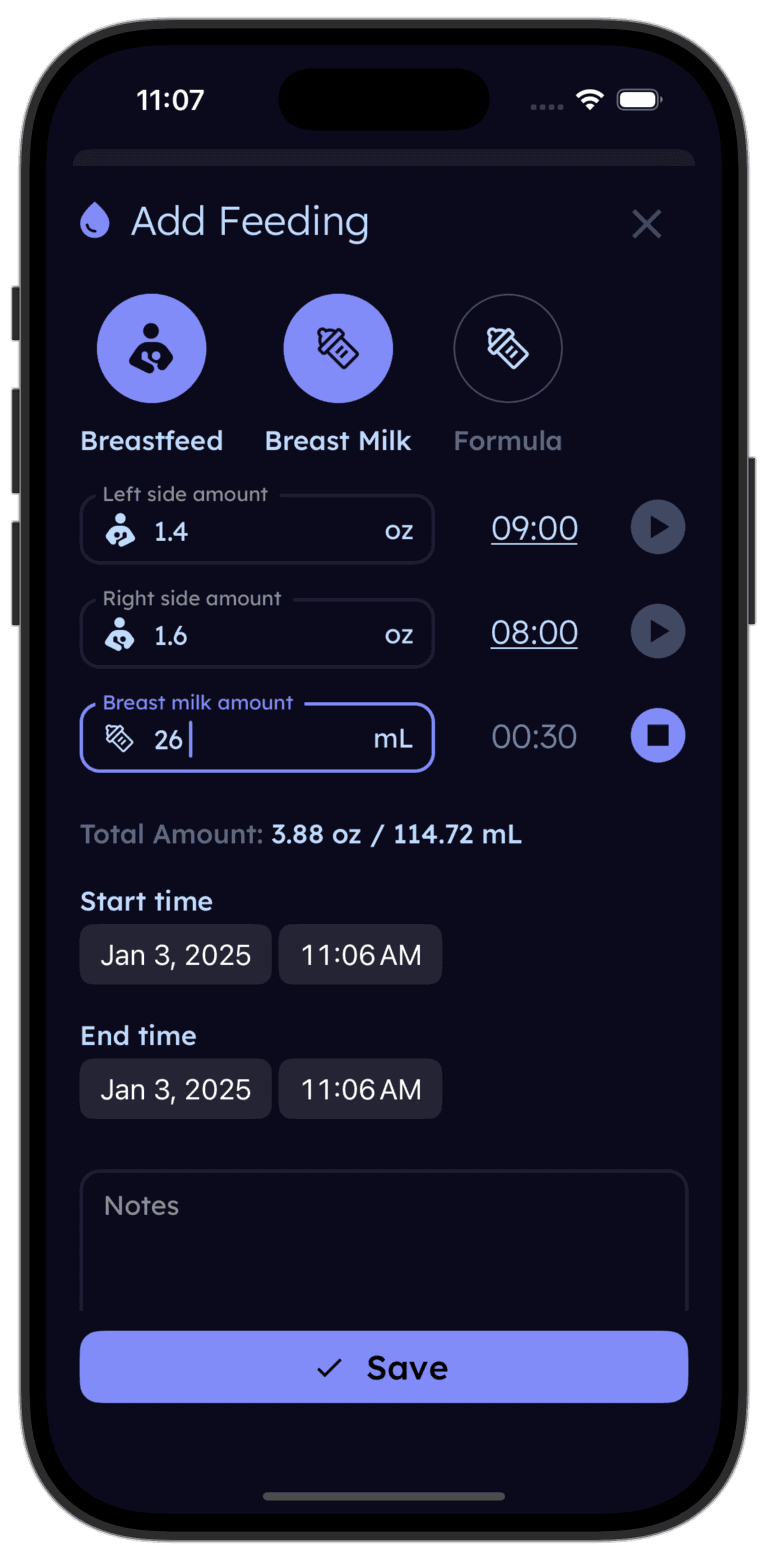
tinylog showing weekly meal variety for toddler

Worried your toddler isn't eating enough? A week of logged meals usually shows more variety than you'd expect.

When you're anxious about picky eating, it's easy to focus on today's refused meal and forget yesterday's decent one. tinylog gives you the week-view, so you can see the pattern instead of the moment.

Download on the App StoreGet It On Google Play

What NOT to Do

Don't force, bribe, or threaten. "You're not leaving the table until you eat your peas" creates a power struggle and negative food associations. Pressure consistently backfires.

Don't give up after 2-3 tries. Research shows 10-15 exposures before acceptance. Most parents give up after 5. Keep the food showing up, casually, without commentary.

Don't short-order cook. Making a separate meal every time your child rejects the family dinner teaches them that refusing food gets them exactly what they want. Serve what the family is eating (with at least one accepted food on the plate) and let them decide what to eat from what's offered.

Don't make food a battle. The table should not be a battleground. If every mealtime is a fight, everyone loses — including your child's relationship with food.

When to Seek Help

If picky eating goes beyond normal food preferences, professional support can make a significant difference:

Feeding therapy (SLP or OT): For texture aversion, oral motor difficulties, sensory-based food refusal, or extreme food restriction. A feeding therapist can assess the underlying issue and create a graduated exposure plan.

Pediatric dietitian: For nutritional concerns. Can assess whether your child's limited diet is meeting nutritional needs and recommend targeted supplementation if needed.

Your pediatrician: As the first point of contact. They can assess growth, rule out medical causes (reflux, constipation, food allergies), and refer to specialists if needed.

The earlier you address a genuine feeding difficulty, the better the outcome. Don't wait until school age to address extreme food restriction that started at 18 months.


Related Guides

Sources

  • Dovey, T. M., et al. (2008). Food neophobia and 'picky/fussy' eating in children: A review. Appetite, 50(2-3), 181-193.
  • Satter, E. (2000). Child of Mine: Feeding with Love and Good Sense. Bull Publishing.
  • Maier, A., et al. (2007). Effects of repeated exposure on acceptance of initially disliked vegetables in 7-month old infants. Food Quality and Preference, 18(8), 1023-1032.
  • American Academy of Pediatrics. (2024). Picky Eaters. HealthyChildren.org.
  • Taylor, C. M., et al. (2015). Picky/fussy eating in children: Review of definitions, assessment, prevalence and dietary intakes. Appetite, 95, 349-359.

Medical Disclaimer

This guide is for informational purposes only and is not a substitute for professional medical advice. Consult your pediatrician before starting solids, especially regarding allergen introduction for high-risk infants. All caregivers should be trained in infant CPR before offering solid foods.

Get the picky eating guide in your inbox.
We'll send you the strategies and red flags checklist so you can stop stressing and start problem-solving.
It's not about today's meal. It's about the pattern over weeks.
Download tinylog free — see the bigger picture of what baby actually eats over time.
Download on the App StoreGet It On Google Play