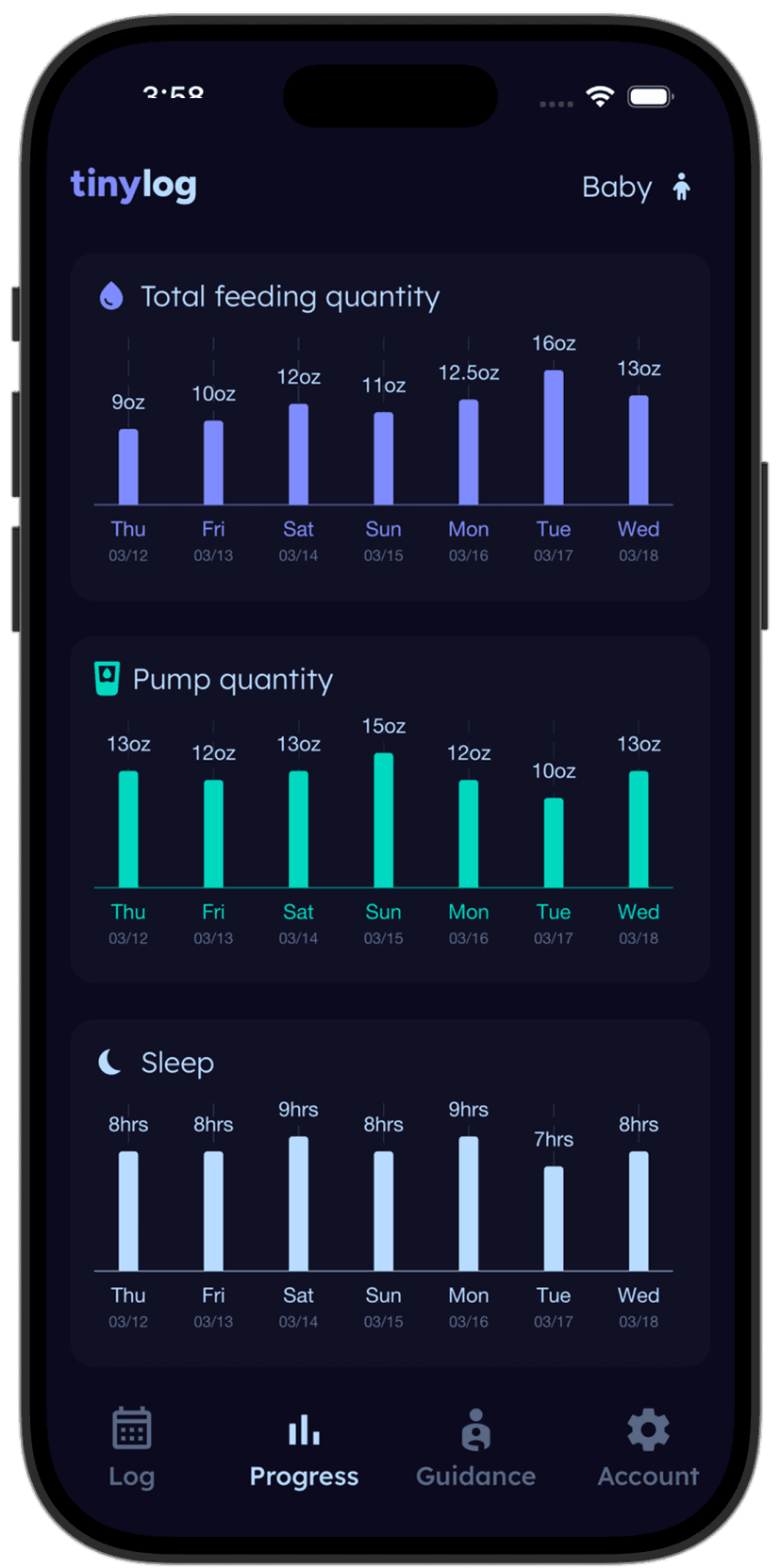
Your baby was sleeping well. Now they're not. The two most common culprits — sleep regressions and growth spurts — produce similar symptoms (more night waking, fussiness, disrupted naps) but have completely different causes and, importantly, different solutions.
A sleep regression is a neurological event. Your baby's brain is reorganizing to accommodate new skills — rolling, crawling, language, object permanence. During this reorganization, sleep architecture changes, and the familiar patterns that used to work stop working temporarily. Regressions align with known developmental milestones (4, 8, 12, 18 months) and typically last 2-6 weeks.
A growth spurt is a physical event. Your baby's body needs more calories to fuel rapid growth in length, weight, and organ development. The primary symptom is dramatically increased hunger — not just more frequent feeding, but more volume per feed. Growth spurts happen on their own timeline and typically resolve within 3-7 days once caloric needs are met. Lampl et al. (1992) demonstrated that infant growth happens in short, intense bursts rather than gradual increases, explaining why the hunger spike feels so sudden.