
GUIDE
Snoo Smart Sleeper vs. Dream On Me Karley Bassinet
Published on
The Snoo (~$1,695 new, ~$159/mo rental) is a smart bassinet that detects crying and automatically responds with rocking and white noise. The Dream On Me Karley (~$65–$85) is a lightweight, portable traditional bassinet that does the fundamentals well at a fraction of the cost. Both meet safety standards. Whether automated soothing justifies a 20x price difference depends on your sleep situation, your budget, and your baby.
These two bassinets represent the widest price gap in the bassinet market. The Snoo is a technology-driven sleep assistant with cry detection, responsive motion, and app-based sleep tracking. The Dream On Me Karley is a simple, mesh-sided bassinet that weighs 10 lbs and costs less than a week of takeout. Comparing them is less about which is better and more about what kind of bassinet your family actually needs.
Log naps, nighttime sleep, and wake-ups
A $1,600 Gap — What Are You Actually Paying For?
The Snoo Smart Sleeper and Dream On Me Karley Bassinet both give your newborn a safe, flat place to sleep next to your bed. Both meet federal safety standards. Both accommodate babies from birth through about 5–6 months.
The Snoo costs roughly 20 times more than the Karley. That price gap buys you one thing: automated soothing. The Snoo has microphones that detect your baby's cries, motors that rock the bassinet, speakers that play white noise, and an app that tracks sleep. When your baby fusses at 3 AM, the Snoo responds without you lifting your head off the pillow. If it works for your baby, you stay in bed while the bassinet handles the soothing. If your baby needs you — hunger, diaper, genuine distress — the Snoo alerts you that it could not settle them.
The Dream On Me Karley has none of that. No motors, no microphones, no app, no white noise. It is a mesh-sided bassinet with a firm mattress, a lightweight frame, and a price tag that barely registers on a baby registry. When your baby fusses at 3 AM, you get up and handle it yourself.
The question here is not which bassinet is "better." It is whether automated soothing is worth $1,600+ more — or whether a $75 bassinet plus your own two hands does the job just fine.
| Feature | Snoo Smart Sleeper | Dream On Me Karley | What It Means |
|---|---|---|---|
| Manufacturer | Happiest Baby (Dr. Harvey Karp) | Dream On Me | Happiest Baby is a tech-forward startup focused on infant sleep. Dream On Me has been making affordable baby furniture for over 30 years. |
| Type | Smart bassinet with automated rocking, white noise, and cry detection | Traditional lightweight bassinet with mesh sides | Fundamentally different products. The Snoo automates soothing. The Karley provides a simple, safe sleep space. |
| Responsive soothing | Built-in microphone detects fussing; automatically increases rocking and white noise through 4 levels | None — parent soothes manually | The Snoo's biggest advantage. It handles mild wake-ups without you getting out of bed. |
| Motion | Gentle rocking that escalates with fussing; customizable intensity via app | No motorized motion | Snoo wins. Many newborns sleep longer with gentle, continuous motion. |
| White noise | Built-in white noise that adjusts volume based on baby's fussing level | None — use a separate sound machine | Snoo has it built in. With the Karley, a $20–$40 sound machine gets you similar coverage. |
| Sleep tracking | Built-in sleep tracking via app — logs sleep duration, wake-ups, and soothing levels automatically | No built-in tracking | Snoo's automatic sleep data is useful for spotting patterns. With the Karley, an app like Tinylog gives you manual tracking. |
| Portability | Heavy (~38 lbs), not designed to move between rooms | Lightweight (~10 lbs), folds for storage and travel | Karley wins by a wide margin. It goes where you go. The Snoo stays put. |
| Swaddling | Proprietary Snoo Sack with wing clips that secure baby to the bassinet (prevents rolling) | Works with any swaddle or sleep sack | Snoo's system adds safety but locks you into buying their sacks (~$36 each). The Karley lets you use whatever your baby prefers. |
| Safety certifications | ASTM bassinet standard + FDA De Novo authorization as a medical device (2023) | ASTM bassinet standard + CPSC compliant | Both meet safety standards. The Snoo's FDA authorization and anti-rolling swaddle are unique and noteworthy. |
| Weight limit | 25 lbs | 25 lbs | Same limit. Most babies transition to a crib before reaching it. |
| Mattress | Custom-fit mesh mattress designed for the Snoo platform | 1-inch firm mattress pad included | Both provide firm, flat sleep surfaces that meet federal standards. Use only the mattress that comes with each unit. |
| Price | ~$1,695 to buy; ~$159/month to rent | ~$65–$85 | The Karley costs roughly what you would spend on one month of Snoo rental. The price gap is enormous. |
Automated Soothing: The Snoo's Case
The Snoo's entire value proposition rests on its responsive soothing system. When it detects fussing, it starts with gentle rocking and soft white noise. If the crying continues, it escalates through four levels of increasing motion and sound. If baby calms down, it gradually returns to baseline. If crying persists past the highest level, it pauses and alerts you — something needs a parent, not a machine.
Happiest Baby's data (collected from Snoo app users) suggests babies in the Snoo sleep about 1–2 hours more per night on average. Many parents confirm this. The combination of motion, white noise, and snug swaddling mimics the womb environment in a way that genuinely helps many newborns settle.
But "on average" does heavy lifting in that sentence. Some babies take to the Snoo immediately. Others fight the motion, dislike the proprietary swaddle, or simply do not respond. There is no way to predict which camp your baby will fall into before they arrive.
The Dream On Me Karley makes no promises about sleep duration. It is a safe surface. Soothing is your job. For babies who respond to their parent's touch, voice, and presence — which is most babies — a simple bassinet is all you need.
The honest call: If you are considering the Snoo, rent it first. One month at $159 tells you whether your baby responds. That is a better plan than buying outright and hoping for the best.
Portability: Where the Karley Pulls Ahead
The Dream On Me Karley weighs about 10 lbs. You can carry it one-handed, fold it for storage, put it in a car trunk, and set it up at a grandparent's house in minutes. Some parents buy a second one for under $85 rather than moving the first back and forth.
The Snoo weighs about 38 lbs. It stays where you put it. Moving it between rooms is possible but not practical. Taking it on a trip is not realistic. It is bedroom furniture, not portable gear.
If you need a bassinet that travels — between floors, between homes, or on weekend visits — the Karley is not just more portable; it is in a completely different category.
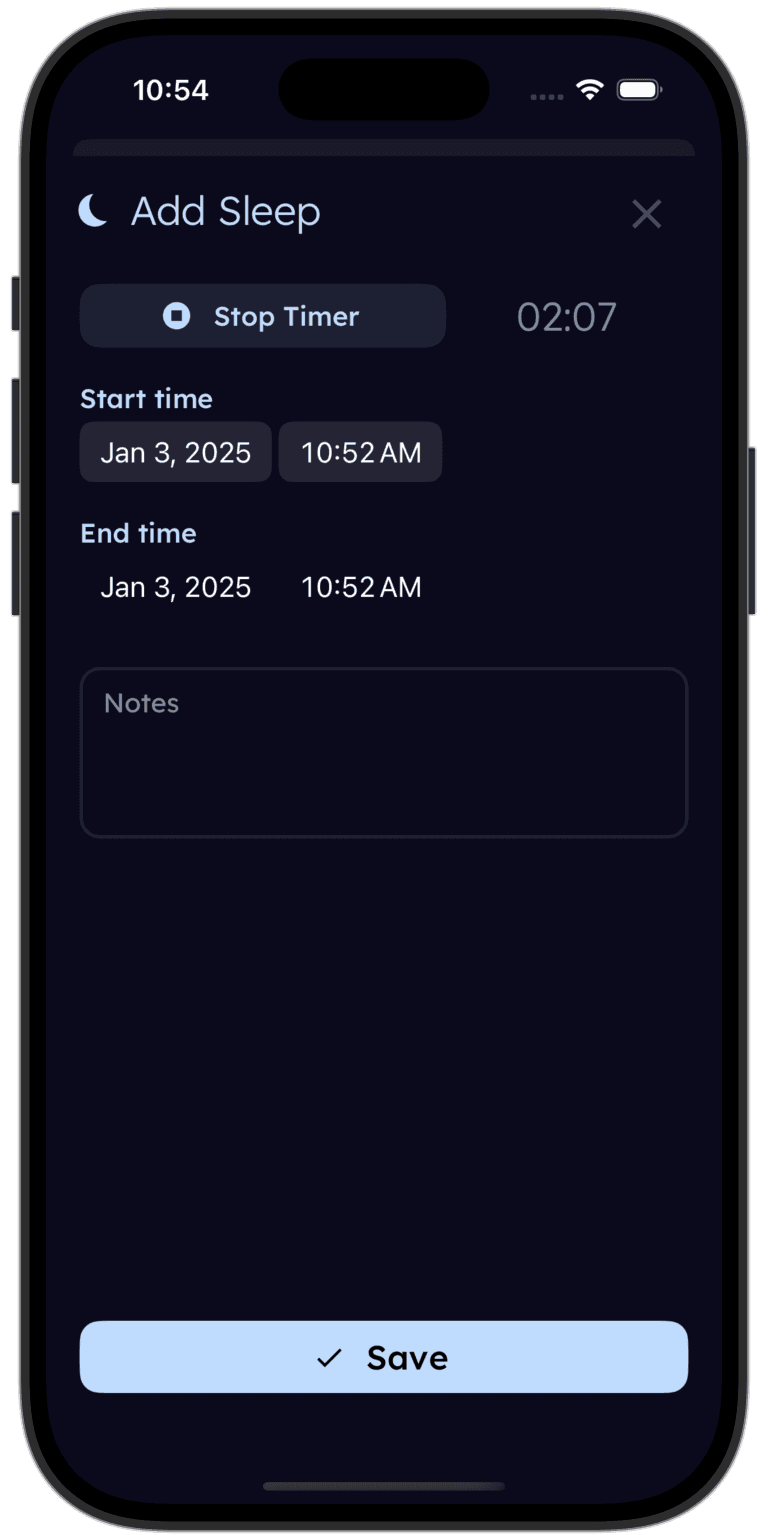
Tinylog tracks sleep so you can spot what works.
Log naps, nighttime sleep, wake-ups, and soothing methods. See sleep patterns over days and weeks. Bring the data to your next pediatrician visit.


The Swaddle Situation
The Snoo requires its proprietary Snoo Sack — a sleep sack with wing clips that attach to the bassinet. These clips keep your baby centered and on their back, which is a genuine safety feature. But it also means you cannot use any other swaddle or sleep sack in the Snoo. Extra Snoo Sacks cost around $36 each, and you will want at least 2–3 in rotation for laundry.
The Dream On Me Karley works with any swaddle, sleep sack, or wearable blanket. You can use whatever your baby prefers — a HALO SleepSack, a Love to Dream, a Kyte Baby sack, or a simple muslin swaddle.
This matters more than it sounds. Some babies have strong preferences about what they wear to sleep. With the Karley, you can experiment freely. With the Snoo, your options are limited to one design in a few sizes.
Safety: Both Are Safe, Different Credentials
Both bassinets meet the ASTM F2194 voluntary safety standard for bassinets. Both have firm, flat sleep surfaces. Both have mesh sides for airflow and visibility.
The Snoo has an additional credential: in 2023, it received FDA De Novo authorization as a medical device designed to help keep babies on their backs during sleep. The built-in swaddle clips physically prevent rolling, addressing one of the risk factors for SIDS. It is the only infant bed with FDA authorization.
The Dream On Me Karley is CPSC compliant and meets all applicable federal safety standards. It has been widely sold and reviewed for years with a solid safety track record.
Both are safe choices. The Snoo's FDA authorization and anti-rolling mechanism are meaningful if those features matter to you. But the Karley meets every safety standard a bassinet needs to meet.
| Product | Typical Price | Monthly Equivalent | Notes |
|---|---|---|---|
| Snoo Smart Sleeper (purchase) | $1,695 | ~$280/mo over 6 months of use | Includes one Snoo Sack; additional sacks ~$36 each |
| Snoo Smart Sleeper (rental) | $159/month | $159/mo | Official rental through Happiest Baby; cancel anytime |
| Snoo Smart Sleeper (used/resale) | $800–$1,200 | ~$130–$200/mo over 6 months | Strong resale market; check serial number for warranty transfer |
| Dream On Me Karley Bassinet | $65–$85 | ~$11–$17/mo over 6 months | One of the most affordable name-brand bassinets. Frequently under $75 on Amazon. |
Cost: The Obvious Conversation
The numbers speak for themselves. The Snoo costs ~$1,695 new. The Dream On Me Karley costs ~$65–$85. You could buy roughly 20 Karleys for the price of one Snoo.
Three ways to think about the gap:
- Rent the Snoo. At ~$159/month for 5 months, you spend ~$795. Still 10x the Karley, but the rental lets you test whether your baby responds before committing. Return it anytime if it is not working.
- Buy used. Used Snoos sell for $800–$1,200. You can resell when done, recovering much of the cost. The net cost of ownership could be $200–$500 if you buy and sell at the right time.
- Think in hourly terms. If the Snoo gives you 1.5 extra hours of sleep per night for 150 nights, that is 225 hours of reclaimed sleep. At $1,695, that is about $7.50 per hour. Whether that math works for you is personal.
The Karley has no hidden costs. You buy it, set it up, use it for 5 months, and donate it or pass it along. If you want white noise, a $25 sound machine gets you there. The total cost of a Karley plus a sound machine is still under $110.
For families watching their budget, the Karley is hard to argue against. It does the core job at a price that leaves room for everything else on the baby gear list.
Choose the Snoo Smart Sleeper If
- You are severely sleep-deprived and willing to invest in anything that buys more rest
- Your baby wakes frequently at night and responds well to motion and white noise
- You want automated soothing for mild fussing so you do not have to get up every time
- You like the idea of built-in sleep tracking and data you can share with your pediatrician
- You can rent first to test whether it works for your baby before committing to the full price
- You value the FDA-authorized safety design, including the anti-rolling swaddle system
Choose the Dream On Me Karley If
- Budget is a real factor — you need a safe bassinet without spending hundreds or thousands
- You want something lightweight you can move between rooms or bring to a grandparent's house
- You follow safe sleep guidelines carefully and feel confident with a standard firm mattress
- You prefer simplicity — no app, no Wi-Fi, no proprietary swaddle sacks
- You plan to transition to a crib early and do not want to over-invest in a bassinet
- You would rather put the savings toward a crib, car seat, or other gear your family needs
Where to Buy
If you want automated soothing and are willing to invest in sleep, the Snoo Smart Sleeper (~$1,695 to buy, ~$159/month to rent) is the most advanced bassinet on the market. The responsive rocking, adaptive white noise, and built-in sleep tracking genuinely help many families get more rest. Rent it first if you want to test whether your baby responds before committing. Available from Happiest Baby and on Amazon.
If you want a safe, lightweight bassinet that handles the fundamentals at a price that leaves room in your budget for everything else, the Dream On Me Karley (~$65–$85) is one of the best values in baby gear. It is portable, easy to set up, and meets all safety standards. Widely available on Amazon and Walmart.
Our honest take: if sleep deprivation is serious and your budget allows it, rent the Snoo for a month and see what happens. If your baby sleeps fine without the automation, the Karley does everything a bassinet needs to do — and the $1,600 you save can go toward a great crib, car seat, or your own sanity.
Tinylog earns a small commission on purchases made through these links, at no cost to you.
Want to save a few bucks? promo.new is worth a quick look. It won't always have your product, but when it does, the savings are real.
The Bottom Line
The Snoo Smart Sleeper and Dream On Me Karley Bassinet are both safe places for your newborn to sleep. Everything else about them is different.
The Snoo wins on automated soothing, sleep tracking, and the potential to give exhausted parents more rest without getting out of bed. It is the bassinet to consider when sleep deprivation is severe and you want technology working on your behalf. The cost is significant, but rental and resale options make it more accessible than the sticker price suggests.
The Dream On Me Karley wins on price (by a factor of 20x), portability (10 lbs and foldable), simplicity, and swaddle flexibility. It is the bassinet to choose when you want a safe sleep space without the price tag, the app, or the proprietary accessories. It does exactly what a bassinet needs to do.
For most families, here is the honest framework: How bad is your sleep situation, and what is your budget? If you are desperate for sleep and can afford to rent the Snoo, it is worth trying. If your baby sleeps reasonably well with normal soothing — or if $75 is more realistic than $1,695 — the Karley is a smart, practical choice that will serve your family well.
And whichever bassinet you choose, tracking your baby's sleep patterns helps you understand what is working. Tinylog makes it easy to log sleep, note wake-ups, and share the data with your pediatrician.
Related Guides
- Snoo vs. HALO BassiNest — Smart bassinet vs. swivel bedside sleeper
- Dream On Me Karley vs. Newton Baby Bassinet — Budget bassinet vs. breathable premium
- 1-Month-Old Sleep Schedule — What sleep actually looks like in the early weeks
- Baby Fighting Sleep — Why it happens and what to do
- Safe Sleep Guidelines — AAP recommendations for infant sleep safety
Sources
- Happiest Baby. "Snoo Smart Sleeper — How It Works." happiestbaby.com. 2026.
- Dream On Me. "Karley Bassinet — Product Details." dreamonme.com. 2026.
- U.S. Food and Drug Administration. "FDA Authorizes First Medical Device to Help Reduce the Risk of Injury or Death Associated with Unsafe Infant Sleep Positioning." fda.gov. 2023.
- American Academy of Pediatrics. "Safe Sleep Recommendations." healthychildren.org. 2025.
- ASTM International. "F2194 — Standard Consumer Safety Specification for Bassinets and Cradles." astm.org. 2024.
- U.S. Consumer Product Safety Commission. "Safe Sleep — Bassinets." cpsc.gov. 2025.
- BabyGearLab. "Dream On Me Karley Bassinet Review." babygearlab.com. 2025.
- Wirecutter (NYT). "The Best Bassinets." nytimes.com/wirecutter, 2025.
This guide is for informational purposes only. Bassinet choice depends on your family's sleep situation, budget, and preferences. Always follow the AAP's safe sleep guidelines regardless of which bassinet you choose. Product specifications and pricing can change — verify current details on the manufacturer's website before purchasing. If your baby has persistent sleep difficulties, consult your pediatrician.
Frequently asked questions
- Is the Snoo worth it compared to a budget bassinet like the Dream On Me Karley?
- It depends on your sleep situation. If your baby wakes frequently and responds well to motion and white noise, the Snoo's automated soothing can genuinely save you hours of lost sleep each night. If your baby settles reasonably well with standard soothing — or if budget is a real concern — the Dream On Me Karley gives you a safe sleep space for under $85. Renting the Snoo for a month is a good way to test whether the automation helps before committing.
- Is the Dream On Me Karley Bassinet safe for newborns?
- Yes. The Dream On Me Karley meets ASTM F2194 bassinet safety standards and CPSC requirements. It has a firm, flat mattress pad, mesh sides for airflow, and a sturdy frame. As with any bassinet, follow the AAP safe sleep guidelines: back to sleep, nothing else in the bassinet, and always use the mattress that came with the unit.
- Can the Snoo replace me getting up at night?
- Not completely. The Snoo handles light fussing and mild wake-ups — it detects crying and responds with increasing levels of rocking and white noise. But when your baby is hungry, needs a diaper change, or is genuinely distressed, you still need to get up. Most parents report the Snoo reduces nighttime interventions rather than eliminates them.
- How long can a baby use each bassinet?
- Both are designed for use from birth until about 5–6 months, or until baby can push up on hands and knees, whichever comes first. The Snoo has a 25-lb weight limit, and the Dream On Me Karley also has a 25-lb weight limit. Most babies transition to a crib between 4 and 6 months regardless of weight.
- Can I rent the Snoo instead of buying it?
- Yes. Happiest Baby offers an official rental program starting around $159 per month. For most families who use it for 5–6 months, renting costs roughly $800–$950 total — still significantly more than the Karley, but far less than buying the Snoo outright. Renting also lets you return it if your baby does not respond to the automated soothing.
- Is the Dream On Me Karley good for travel?
- Yes. At about 10 lbs, the Karley is one of the lightest bassinets available. It folds for storage and fits easily in a car. Many parents use it as a secondary bassinet at a grandparent's house or for weekend trips. The Snoo, at roughly 38 lbs, is not designed to be moved between locations.