GUIDE

When Can Baby Eat Eggs?

Around 6 months — eggs can be among baby's very first foods. They're nutrient-dense, iron-rich, and current guidelines recommend introducing egg early to reduce allergy risk.

The old advice to wait until 12 months is out. Eggs are now recommended as an early food. Here's exactly how to serve them.

Eggs Are a Nutritional Powerhouse for Babies

Eggs might be the single most nutrient-dense, affordable, versatile first food you can offer your baby. One egg packs 6 grams of complete protein, iron, choline (critical for brain development and chronically under-consumed), healthy fats, vitamin D, and B12 — all in a tiny, inexpensive package.

The old advice to wait until 12 months to introduce eggs was based on the (now debunked) hypothesis that delaying allergens prevents allergies. The science has reversed. The PETIT study (2017) showed that early egg introduction in high-risk infants reduced egg allergy by 78%. Current AAP and USDA guidelines recommend introducing egg alongside other complementary foods starting around 6 months.

Both the yolk and white should be introduced. The old practice of giving "just the yolk first" was based on the idea that the white was more allergenic and should be delayed. Current guidance says to introduce the whole egg. The allergenic proteins in the white are exactly what the immune system needs to be exposed to early.


How to Prepare Eggs by Age
6 months
Preparation MethodThin omelet strips or mashed hard-boiled egg
DetailsBeat one egg, cook as a thin omelet in a lightly oiled pan. Cut into finger-length strips. Or hard-boil, mash with a fork, and offer on a pre-loaded spoon.
Best ForBLW: omelet strips. Purees: mashed hard-boiled with breast milk.
7-8 months
Preparation MethodScrambled egg pieces, egg muffins, French toast strips
DetailsSoft scramble (slightly larger pieces than 6 months). Mini egg muffins baked in a muffin tin. French toast cut into strips.
Best ForExpanding textures and building variety.
9-12 months
Preparation MethodDiced scrambled egg, egg in dishes, baked goods with egg
DetailsSmall pieces for pincer grasp practice. Egg fried rice, egg in pancakes, mini frittata pieces.
Best ForFamily meal integration. Egg as an ingredient.
Eggs must always be fully cooked for babies. No runny yolks, soft-boiled eggs, or undercooked preparations.
Egg Nutrition at a Glance
Protein
Amount Per Egg6g per egg
Why It Matters for BabyHigh-quality complete protein with all essential amino acids. Supports growth.
Iron
Amount Per Egg0.9mg per egg
Why It Matters for BabyContributes to daily iron needs (11mg/day for 7-12 months). Non-heme iron — pair with vitamin C for better absorption.
Choline
Amount Per Egg147mg per egg
Why It Matters for BabyCritical for brain development. One of the best dietary sources. Most babies don't get enough choline.
Vitamin D
Amount Per Egg1mcg per egg
Why It Matters for BabyContributes to vitamin D intake alongside supplementation.
Healthy fats
Amount Per Egg5g per egg
Why It Matters for BabyEssential for brain development and calorie-dense — important for growing babies.
B12
Amount Per Egg0.4mcg per egg
Why It Matters for BabyImportant for nervous system development. Especially relevant for babies on vegetarian diets.
One egg delivers a remarkable concentration of nutrients for its size. Choline, in particular, is a standout — eggs are one of the best food sources of this brain-development nutrient.

Tips for Egg Introduction

Egg is a top allergen — introduce early

The PETIT study (Natsume et al., 2017) showed that early egg introduction in high-risk infants reduced egg allergy by 78%. Current guidelines recommend introducing egg alongside other first foods around 6 months. Don't delay.

Always fully cooked

No runny yolks, no soft-boiled, no mousse, no raw cookie dough. Babies should only eat fully cooked eggs. The Salmonella risk is real, and babies' immune systems can't handle it the way an adult's can.

Baked egg is often tolerated even when plain egg isn't

Some babies who react to scrambled or boiled egg can tolerate baked egg (in muffins, pancakes, bread). The extended heat denatures the allergenic proteins further. If your baby has an egg allergy, ask your allergist about baked egg tolerance testing.

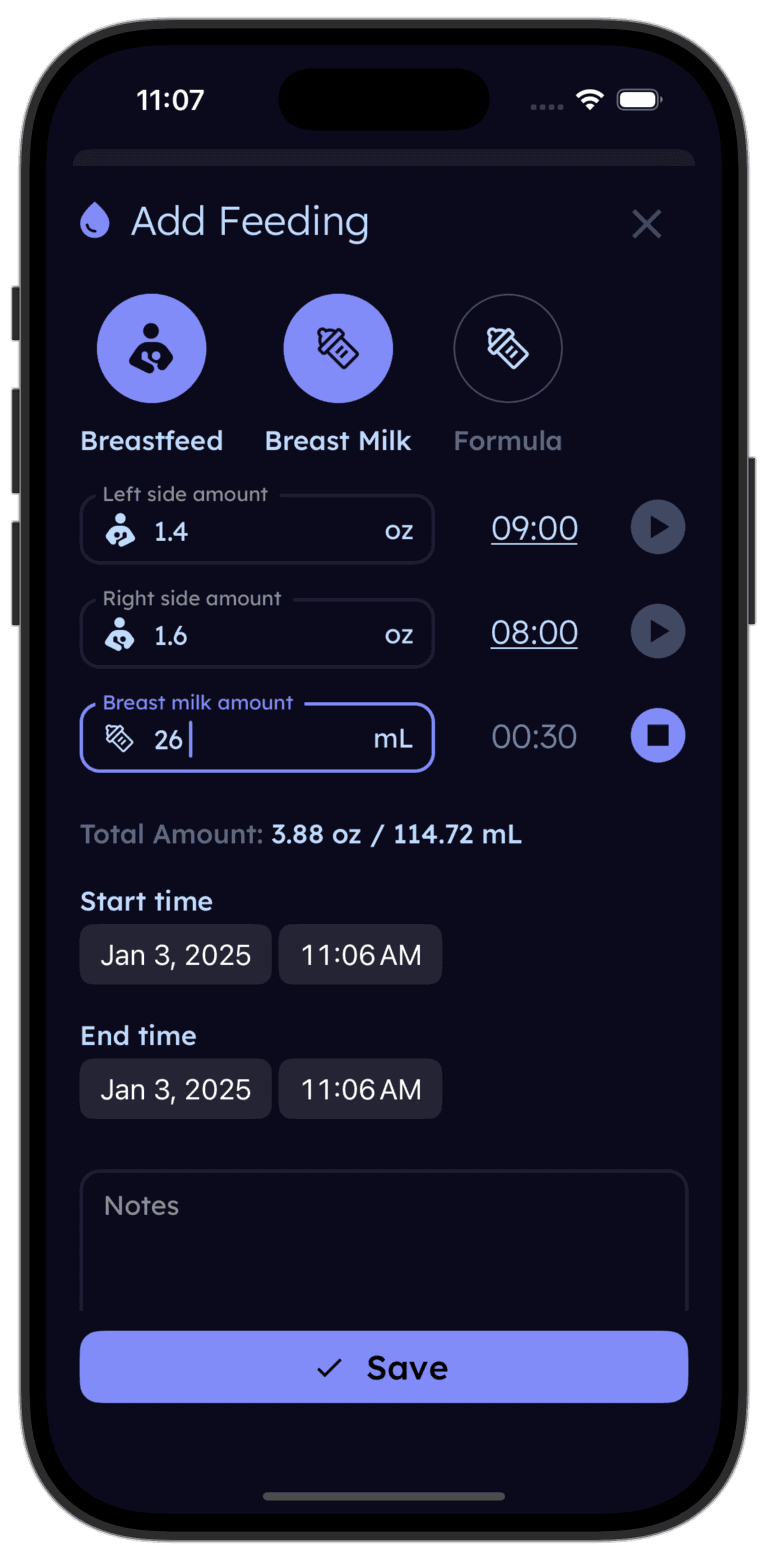
tinylog food log showing egg introduction

Egg is an allergen — log the introduction and any reactions so you have a clear record.

tinylog makes allergen tracking easy. Log when you first offered egg, note any reactions, and keep the record for your pediatrician.

Download on the App StoreGet It On Google Play

Related Guides

Sources

  • Natsume, O., et al. (2017). Two-step egg introduction for prevention of egg allergy in high-risk infants with eczema (PETIT). JACI, 139(5), 1525-1534.
  • USDA & HHS. (2020). Dietary Guidelines for Americans, 2020-2025.
  • American Academy of Pediatrics. (2024). Starting Solid Foods. HealthyChildren.org.
  • AAP Committee on Nutrition. (2014). Diagnosis and Prevention of Iron Deficiency and Iron-Deficiency Anemia in Infants and Young Children. Pediatrics, 126(5).
  • Zeisel, S. H. (2013). Nutrition in pregnancy: the argument for including a source of choline. International Journal of Women's Health, 5, 193-199.

Medical Disclaimer

This guide is for informational purposes only and is not a substitute for professional medical advice. Consult your pediatrician before starting solids, especially regarding allergen introduction for high-risk infants. All caregivers should be trained in infant CPR before offering solid foods.

Get this guide in your inbox.
We'll send you the egg prep chart with age-appropriate serving ideas.
New food introduced? Log it so you remember — especially with allergens.
Download tinylog free — track egg introductions and any reactions.
Download on the App StoreGet It On Google Play