GUIDE

13 Month Old Sleep Schedule

The nap transition question is getting real. Some 13-month-olds are genuinely starting to show readiness for one nap. Most still need two.

Here's how to tell the difference between regression-driven nap resistance and true readiness — plus what to do during the messiest nap transition of them all.

Thirteen Months: The Nap Transition Gets Real

Thirteen months is when the nap transition question moves from theoretical to practical. Your toddler may be consistently fighting one nap, and unlike at 12 months (which was likely the regression), at 13 months some babies genuinely are starting to show readiness for one nap. But "showing readiness" and "being ready" are two different things.

The 2-to-1 nap transition is the hardest nap transition your child will go through. It requires them to stay awake for much longer stretches (5+ hours instead of 3 to 4), and their body needs time to adjust. Rushing it leads to overtiredness, which creates a cascade of worse naps, more night wakings, and earlier mornings.

If you're uncertain, stay with 2 naps. The cost of keeping 2 naps a little too long is minimal (maybe a slightly later bedtime). The cost of dropping to 1 nap too early is significant (overtired toddler, worse sleep across the board). When in doubt, wait.


13 Month Old Sleep at a Glance
Total sleep (24 hrs)
12–14 hours
Nighttime sleep
10–12 hours
Number of naps
1–2 (transition zone)
Nap duration
2–3 hrs (if 1 nap) or 1–1.5 hrs each (if 2)
Wake windows
3.5–4.5 hrs (2 naps) or 5–5.5 hrs (1 nap)
If your toddler is mid-transition, some days will be 2-nap days and some 1-nap days.

Sample 13 Month Old Schedule (2-Nap Version)

If your toddler still needs 2 naps, this is the schedule. If transitioning, see the nap section below.

Sample daily schedule

  1. Wake + milk
  2. Breakfast
  3. Nap 1 (1–1.5 hrs)
  4. Wake + milk + lunch
  5. Nap 2 (1–1.5 hrs)
  6. Wake + snack
  7. Dinner
  8. Bedtime routine + milk
  9. Bedtime

During the transition, you may alternate between this schedule and a 1-nap version (wake at 6:30, nap at 12:00-12:30 to 2:30, bed at 7:00). Both are valid. Follow your toddler's cues day by day.

Wake Windows at 13 Months

On a 2-nap schedule: 3.5 to 4.5 hours between sleeps. On a 1-nap schedule: about 5 to 5.5 hours before the nap, and 4 to 5 hours after.

The shift from 3.5-hour windows to 5-hour windows is significant — it's the biggest wake-window jump your child will experience. Their body needs time to adapt. During the transition, a midday nap around 12:00 to 12:30 PM is the target for 1-nap days.

If your toddler melts down before the 1-nap window is up, they may not be ready. Try again in a week or two.

Naps at 13 Months

This is the big event. Signs of TRUE readiness for 1 nap: consistently fighting the second nap for 2+ weeks, taking 30+ minutes to fall asleep for the second nap, bedtime pushing past 8 PM because of a late second nap. If they only fight it for a few days, it's not time yet.

During the transition, it's normal to alternate between 1-nap and 2-nap days for 2 to 6 weeks. On 1-nap days: nap around 12:00 to 12:30, aim for 2 to 3 hours. On days when they're clearly exhausted: offer 2 shorter naps.

Early bedtime on 1-nap days is essential — 6:00 to 6:30 PM is appropriate if the nap ended by 2:30 PM. This prevents the overtiredness that makes nights worse.

Nighttime Sleep at 13 Months

Nighttime sleep should be 10 to 12 hours. During the nap transition, night sleep may be slightly disrupted as your toddler's body adjusts to the new daytime sleep pattern. An earlier bedtime on 1-nap days helps protect nighttime sleep.

If you notice more night wakings during the transition, check whether your toddler is overtired (bedtime needs to be earlier) or undertired (total day sleep needs to be capped). The transition period requires more active schedule management than usual.

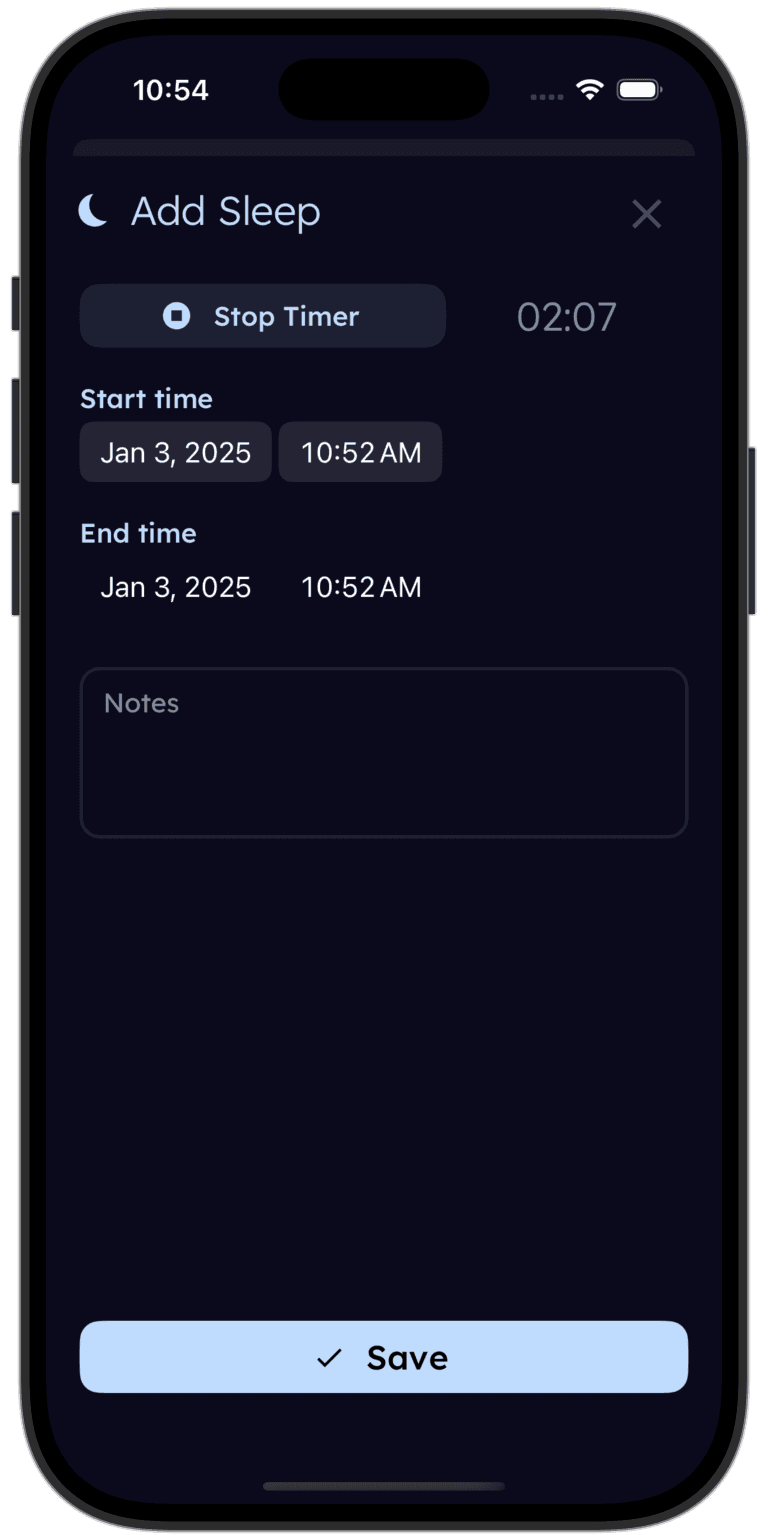
tinylog showing nap transition patterns at 13 months

Not sure if it's time to drop a nap? A few days of data makes it clear.

Track how long it takes your toddler to fall asleep for each nap, how long they sleep, and how they handle the next wake window. The pattern — not any single day — tells you whether the transition is ready.

Download on the App StoreGet It On Google Play

What's Happening Developmentally

Your 13-month-old is walking (or very close), saying a handful of words, and beginning the explosive language acquisition phase. They understand far more than they can express, which can lead to frustration (and tantrums). Pointing is their superpower — pointing at what they want, pointing at things they want you to name, pointing at the world.

The early stages of pretend play may appear: feeding a stuffed animal, holding a phone to their ear, pushing a toy car with sound effects. This imaginative capacity is just beginning and will expand dramatically over the next year.

Independence is the driving force. Your toddler wants to do things themselves — including decide when to sleep. This is healthy and important, even when it makes bedtime harder. Offering appropriate choices (which pajamas, which book) channels the independence drive without giving up the non-negotiable structure.

Common Problems at 13 Months

Is it time for one nap? (Maybe — here's how to tell)

Signs of TRUE readiness: consistently fighting the second nap for 2+ weeks (not just a few days), taking 30+ minutes to fall asleep for the second nap, or the second nap pushing bedtime past 8 PM. The critical test: can your toddler stay happily awake from morning until noon without melting down? If they fall apart by 10 AM, they still need two naps.

Alternating between good days and terrible days

During the transition, some days your toddler will do great on one nap and other days will be a disaster. This is completely normal — their sleep needs are in flux. On 1-nap days when the nap ends early, move bedtime earlier (6:00 to 6:30 PM). On days when they clearly need 2 naps, offer them. This inconsistency resolves over 2 to 6 weeks.

Bedtime is getting later and later

If the second nap consistently pushes bedtime past 8 PM, this is one of the clearest signs the transition is approaching. A late bedtime cuts into night sleep and can cause early morning wakings. When this pattern persists for 2+ weeks, it's time to start transitioning.

What No One Tells You About Sleep at 13 Months

Many babies look ready at 13 months but actually aren't — the false start is real

At 13 months, many toddlers look like they're ready to drop to one nap — they refuse the afternoon nap for several days, seem fine without it. But push to one nap too early and within a week you'll have an overtired toddler who sleeps worse at night and wakes earlier in the morning. The test: can they happily stay awake from morning until noon without melting down? If not, keep two naps.

The 2-to-1 nap transition is the hardest nap transition — plan for messy weeks

Unlike the 3-to-2 transition (which is relatively smooth), the 2-to-1 transition involves a massive shift in your toddler's daily routine. They go from being awake for 3 to 4 hour stretches to needing to stay awake for 5+ hours at a time. Their body needs weeks to adjust. Plan for 2 to 6 weeks of inconsistency, early bedtimes, and mood swings. It gets better.

When to Talk to Your Pediatrician

  • Your toddler isn't walking by 15 months (discuss at 13 months if no progress)
  • No words or gestures by 13 months
  • Extreme difficulty with sleep that doesn't match the regression/transition pattern
  • Snoring or breathing difficulties during sleep
  • Regression in previously acquired skills
  • You're struggling with the transition and need support

The 15-month well visit is coming — note any sleep questions for your pediatrician.

Related Guides

Sources

American Academy of Pediatrics (AAP). (2022). Healthy Sleep Habits: How Many Hours Does Your Child Need?
Mindell, J. A., et al. (2016). Development of infant and toddler sleep patterns. Journal of Sleep Research, 25(5), 508–516.
Galland, B. C., et al. (2012). Normal sleep patterns in infants and children: A systematic review. Sleep Medicine Reviews, 16(3), 213–222.
Baby Sleep Information Source (BASIS), Durham University. Normal Infant Sleep Development. https://www.basisonline.org.uk
Zero to Three. (2022). 12-15 Months: Your Child's Development. https://www.zerotothree.org

Medical Disclaimer

This guide is for informational purposes only and is not a substitute for professional medical advice. Always follow safe sleep guidelines (baby on their back, on a firm surface, in their own sleep space). Consult your pediatrician with any concerns about your baby's sleep.

Want this guide in your inbox?
We'll send you this nap transition guide so you have it when you need it.
Not sure if it's time for one nap? Let the data decide.
Download ${appName} free — track naps and see the pattern clearly.
Download on the App StoreGet It On Google Play