GUIDE

14 Month Old Sleep Schedule

Fourteen months is the heart of the 2-to-1 nap transition. Some days need two naps, some days one. Welcome to the messiest weeks.

The transition takes 2 to 6 weeks to settle. Here's how to manage the inconsistency, protect nighttime sleep, and know when the single nap has arrived.

Fourteen Months: The Messy Middle of the Nap Transition

Fourteen months is the heart of the 2-to-1 nap transition for many families. Some days your toddler crushes the single-nap schedule — a beautiful 2.5-hour midday nap, a smooth bedtime, a full night of sleep. Other days, everything falls apart by 10 AM and you're desperately offering a morning nap you thought you'd dropped. This inconsistency is the hallmark of the transition, not a sign that something is wrong.

The good news: once this transition settles (usually by 15 to 16 months), you enter one of the most stable and predictable sleep periods of toddlerhood. One nap, predictable bedtime, consistent nights. The one-nap schedule will carry you through to age 2.5 to 3.

The bad news: the next 2 to 6 weeks involve a lot of day-by-day decisions, early bedtimes, and an overtired toddler who may express their feelings about the whole situation with great enthusiasm. Stay flexible, stay consistent with your bedtime routine, and trust that the transition has a finish line.


14 Month Old Sleep at a Glance
Total sleep (24 hrs)
12–14 hours
Nighttime sleep
10–12 hours
Number of naps
1–2 (transition)
Nap duration
2–3 hrs (1 nap) or 1–1.5 hrs each (2 naps)
Wake windows
3.5–5.5 hours
These ranges depend on whether your toddler is on 1 or 2 naps on any given day.

Sample 14 Month Old Schedule (1-Nap Version)

This is the target schedule. During the transition, 2-nap days are still fine.

Sample daily schedule (1-nap)

  1. Wake + milk
  2. Breakfast
  3. Snack
  4. Lunch
  5. Nap (2–3 hrs)
  6. Wake + milk + snack
  7. Dinner
  8. Bedtime routine + milk
  9. Bedtime

On days when your toddler clearly needs 2 naps, offer a shorter morning nap (30 to 45 min around 9:30) and a shorter afternoon nap (30 to 45 min around 2:00), with bedtime at 7:00 to 7:30 PM.

Wake Windows at 14 Months

This is the most variable wake window period your toddler will experience. On 2-nap days: 3.5 to 5 hours between sleeps. On 1-nap days: about 5 to 5.5 hours before the nap, and 4 to 5 hours after.

The morning stretch on 1-nap days (5+ hours awake before the nap) is the hardest part. Your toddler has never been awake this long. They need time to build the stamina. If they can't make it, don't force it — offer a short morning nap and adjust.

Over the course of the transition, you'll see your toddler's ability to handle the longer morning stretch improve week by week. That's how you know the transition is working.

Naps at 14 Months

The transition mechanics: start by pushing the morning nap later by 15 minutes every few days. The goal is to move it from 9:30 to 10:00 AM (2-nap territory) to 12:00 to 12:30 PM (1-nap territory). This gradual shift is easier on your toddler than a cold switch.

Once the nap lands around noon, aim for 2 to 3 hours. Early in the transition, it may only be 1 to 1.5 hours — that's normal. The nap lengthens as your toddler's body adjusts to concentrating all daytime sleep into one period.

If the nap consistently exceeds 3 hours and bedtime becomes difficult, cap it at 3 hours. Too much day sleep steals from nighttime sleep.

Nighttime Sleep at 14 Months

Nighttime sleep should be 10 to 12 hours. During the transition, you may see more night wakings than usual, especially on days when the nap was short or the transition schedule didn't go as planned.

An earlier bedtime on 1-nap days is the single most important tool for protecting night sleep during the transition. A 6:00 to 6:30 PM bedtime when the nap ended at 2:00 to 2:30 PM prevents the overtiredness cascade that causes multiple night wakings and early mornings.

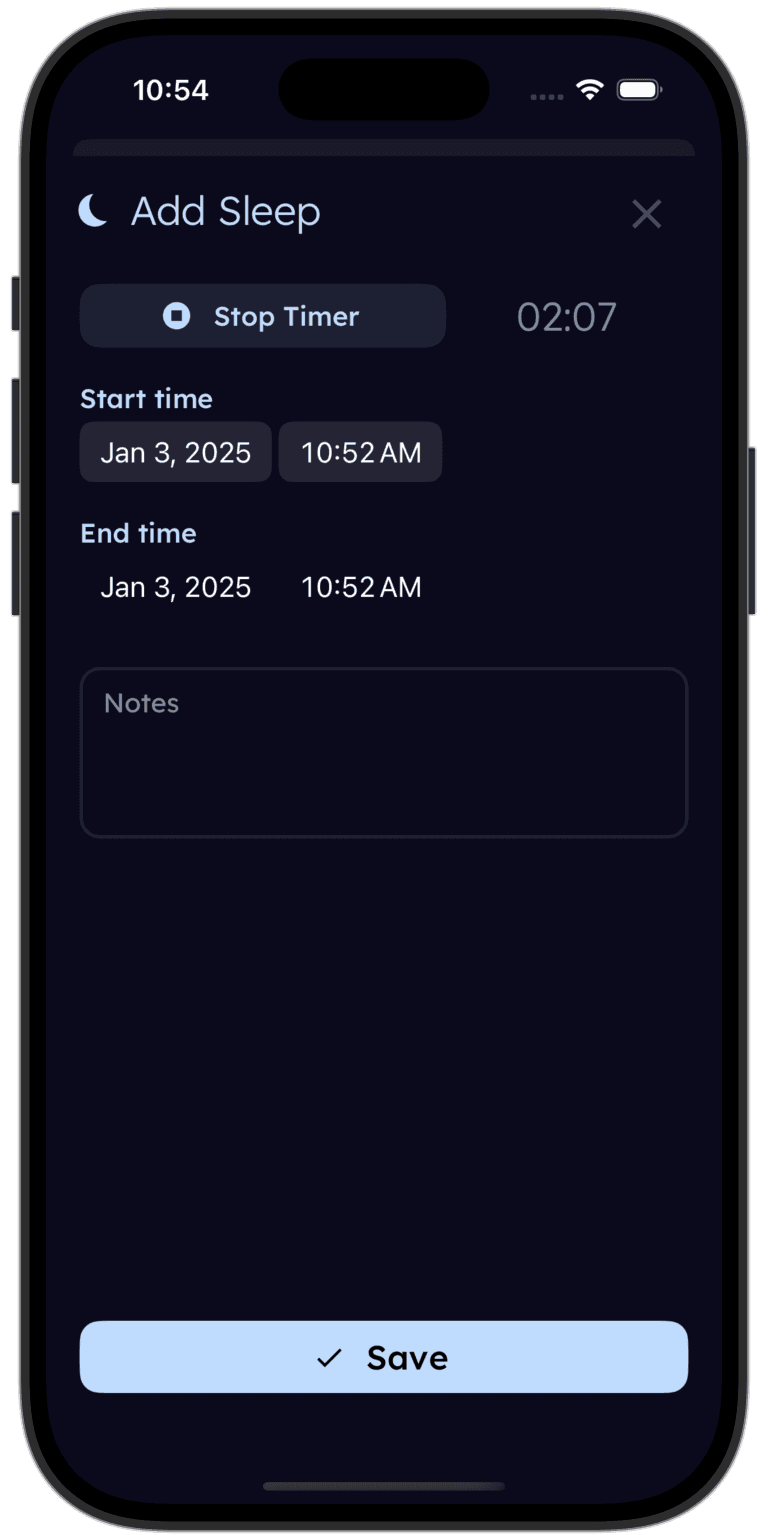
tinylog tracking nap transition at 14 months

The transition is messy — tracked data shows you the progress.

During the nap transition, every day feels unpredictable. But a week of tracked nap times, nap lengths, and bedtimes reveals whether the transition is moving forward or whether your toddler needs more time on two naps.

Download on the App StoreGet It On Google Play

What's Happening Developmentally

At 14 months, your toddler is walking well (or close to it), climbing, beginning to stack objects, and showing an expanding vocabulary (both spoken and understood). They're following two-step instructions, pointing at everything, and showing early signs of cause-and-effect understanding.

Physical confidence is growing — which can lead to crib escape attempts. If your toddler starts trying to climb out of the crib, lower the mattress as far as it goes. A backward sleep sack can limit climbing. Resist the urge to switch to a toddler bed — most sleep experts recommend keeping the crib until at least 2.5 to 3 years if possible. The crib provides physical boundaries that support sleep.

The independence drive is strong. Your toddler wants control over their environment, including when and whether they sleep. Offering structured choices (which book, which pajamas) channels this need without compromising the sleep boundary.

Common Problems at 14 Months

Every day is different

Monday was perfect on one nap. Tuesday was a catastrophe. Wednesday needed two naps again. This IS the transition — it's messy by nature. Your toddler's sleep needs are genuinely fluctuating. Follow their lead day by day: if they seem tired by 10 AM, offer a short morning nap and try for a short afternoon nap too. If they're fine until noon, go with one nap and move bedtime earlier.

The single nap is too short

Early in the transition, the single nap may only be 1 to 1.5 hours instead of the 2 to 3 hours you're expecting. This is common — your toddler's body hasn't adjusted to concentrating all daytime sleep into one period yet. It lengthens over 2 to 3 weeks as they adapt. In the meantime, move bedtime earlier on short-nap days (6:00 PM is fine).

Overtiredness on 1-nap days

Going from two naps to one means much longer awake stretches. Your toddler may become overtired before the single nap or before bedtime. An earlier bedtime — as early as 6:00 PM — is not just acceptable, it's often necessary. Parents worry an early bedtime causes early mornings. It usually doesn't. An overtired toddler wakes up MORE at night and EARLIER in the morning.

What No One Tells You About Sleep at 14 Months

A 6:00 PM bedtime during the transition is necessary, not indulgent

Parents worry that a 6:00 PM bedtime will produce a 4:30 AM wake-up. Sleep science says the opposite: sleep pressure from the longer awake time works in your favor, and an overtired toddler is the one who wakes too early and too often. During the transition, a 6:00 to 6:30 PM bedtime on 1-nap days protects night sleep and usually produces the same morning wake time.

If daycare already forced one nap, weekends may still need two

Many daycares move to one nap at 12 months regardless of individual readiness. If your toddler is on one nap at daycare but seems exhausted by the weekend, it's completely fine to offer two naps at home. Follow their lead — the daycare schedule doesn't have to be the home schedule. Over time, their body will adjust and the weekend two-nap need will fade.

When to Talk to Your Pediatrician

  • Your toddler seems excessively tired despite apparently adequate sleep
  • They're not walking by 14 months (discuss with pediatrician)
  • Sleep disruption seems to be caused by pain (pulling at ears, inconsolable crying)
  • Snoring or noisy breathing during sleep
  • Regression in previously acquired skills
  • You're concerned about any aspect of development

The 15-month well visit is coming — bring your nap transition questions.

Related Guides

Sources

American Academy of Pediatrics (AAP). (2022). Healthy Sleep Habits: How Many Hours Does Your Child Need?
Mindell, J. A., et al. (2016). Development of infant and toddler sleep patterns. Journal of Sleep Research, 25(5), 508–516.
Galland, B. C., et al. (2012). Normal sleep patterns in infants and children: A systematic review. Sleep Medicine Reviews, 16(3), 213–222.
Baby Sleep Information Source (BASIS), Durham University. Normal Infant Sleep Development. https://www.basisonline.org.uk
Zero to Three. (2022). 12-15 Months: Your Child's Development. https://www.zerotothree.org

Medical Disclaimer

This guide is for informational purposes only and is not a substitute for professional medical advice. Always follow safe sleep guidelines as appropriate for your child's age. Consult your pediatrician with any concerns about your child's sleep.

Want this guide in your inbox?
We'll send you this nap transition guide for daily reference.
Two naps or one? The data tells you.
Download ${appName} free — track naps and watch the transition unfold.
Download on the App StoreGet It On Google Play