GUIDE

15 Month Old Sleep Schedule

The dust from the nap transition is settling. One nap, simple routine, and the most predictable schedule since birth.

Most 15-month-olds are firmly on one nap, and the daily rhythm is beautifully simple: wake, play, lunch, nap, play, dinner, bed. Here's what this new normal looks like.

Fifteen Months: The Nap Transition Dust Settles

Fifteen months is when the nap transition usually settles. Most toddlers are firmly on one nap, and the daily rhythm is beautifully simple: wake, play, lunch, nap, play, dinner, bed. After months of juggling two naps and constantly adjusting schedules, this new simplicity is a genuine relief.

The single nap gives you longer stretches of awake time for activities, outings, and meals — and it usually becomes the longest, most reliable nap your child has ever taken. Where your baby used to nap for 45 minutes and wake up cranky, your toddler now sleeps for 2 to 3 hours in the middle of the day and wakes up refreshed.

The one-nap schedule is also remarkably stable. Barring illness, travel, or major developmental leaps, this daily structure will carry you through to age 2.5 to 3 when the nap drops entirely. If it's working, don't change anything. You've navigated the hardest nap transition, and the reward is this predictability.


15 Month Old Sleep at a Glance
Total sleep (24 hrs)
12–14 hours
Nighttime sleep
10–12 hours
Number of naps
1
Nap duration
2–3 hours
Wake windows
4–5.5 hours
These ranges reflect the settled one-nap schedule. If your toddler is still transitioning, see the 14-month guide.

Sample 15 Month Old Schedule

A realistic daily routine. This is the schedule you've been building toward.

Sample daily schedule

  1. Wake + milk
  2. Breakfast
  3. Snack
  4. Lunch
  5. Nap (2–3 hrs)
  6. Wake + milk + snack
  7. Dinner
  8. Bedtime routine + milk
  9. Bedtime

The wake windows matter more than the clock times. A toddler who wakes at 7:30 AM will nap later than one who wakes at 6:00 AM. Build around your child's natural wake time.

Wake Windows at 15 Months

Your toddler can handle 4 to 5.5 hours between sleeps. The morning stretch (from wake to nap) is the longer one at 4.5 to 5.5 hours. The afternoon stretch (from nap wake to bedtime) is slightly shorter at 4 to 5 hours.

If the nap is consistently short, try extending the morning wake window. Your toddler may need more awake time to build enough sleep pressure for a full, long nap. Push the nap start 15 minutes later and see if the nap extends.

If bedtime is a struggle, check the afternoon wake window. Too short (under 4 hours) and your toddler isn't tired enough. Too long (over 5.5 hours) and they're overtired.

Naps at 15 Months

One nap, centered around midday. Most toddlers nap from about 12:00 to 12:30 PM to 2:30 to 3:00 PM. Duration: 2 to 3 hours. This is the longest, most restorative nap your child has ever taken — their body is concentrating all daytime sleep into one period.

If the nap consistently exceeds 3 hours, consider capping it. Too-long naps can push bedtime late, cause bedtime resistance, or result in early morning wakings. Try waking your toddler by 3:00 PM to protect the 7:00 PM bedtime.

If the nap is consistently under 1.5 hours, check: is the room dark enough? Is white noise running? Is the morning wake window long enough? Short naps at this age usually indicate insufficient sleep pressure (wake window too short) or environmental disruption.

Nighttime Sleep at 15 Months

Nighttime sleep should be 10 to 12 hours. With the nap transition settled, night sleep is usually very consistent. Most 15-month-olds sleep through without feeds and without significant wakings.

The 15-month regression (if it occurs) is typically mild — a week or two of slightly more bedtime resistance or an occasional night waking. It's driven by language development (your toddler is processing new words even during sleep) and increasing independence. Maintain your routine and it passes quickly.

Bedtime routines are more important now than ever. Your toddler understands and anticipates the sequence of events: bath, pajamas, books, song, goodnight. This predictability reduces anxiety and signals that sleep is coming, making the transition from play to rest smoother.

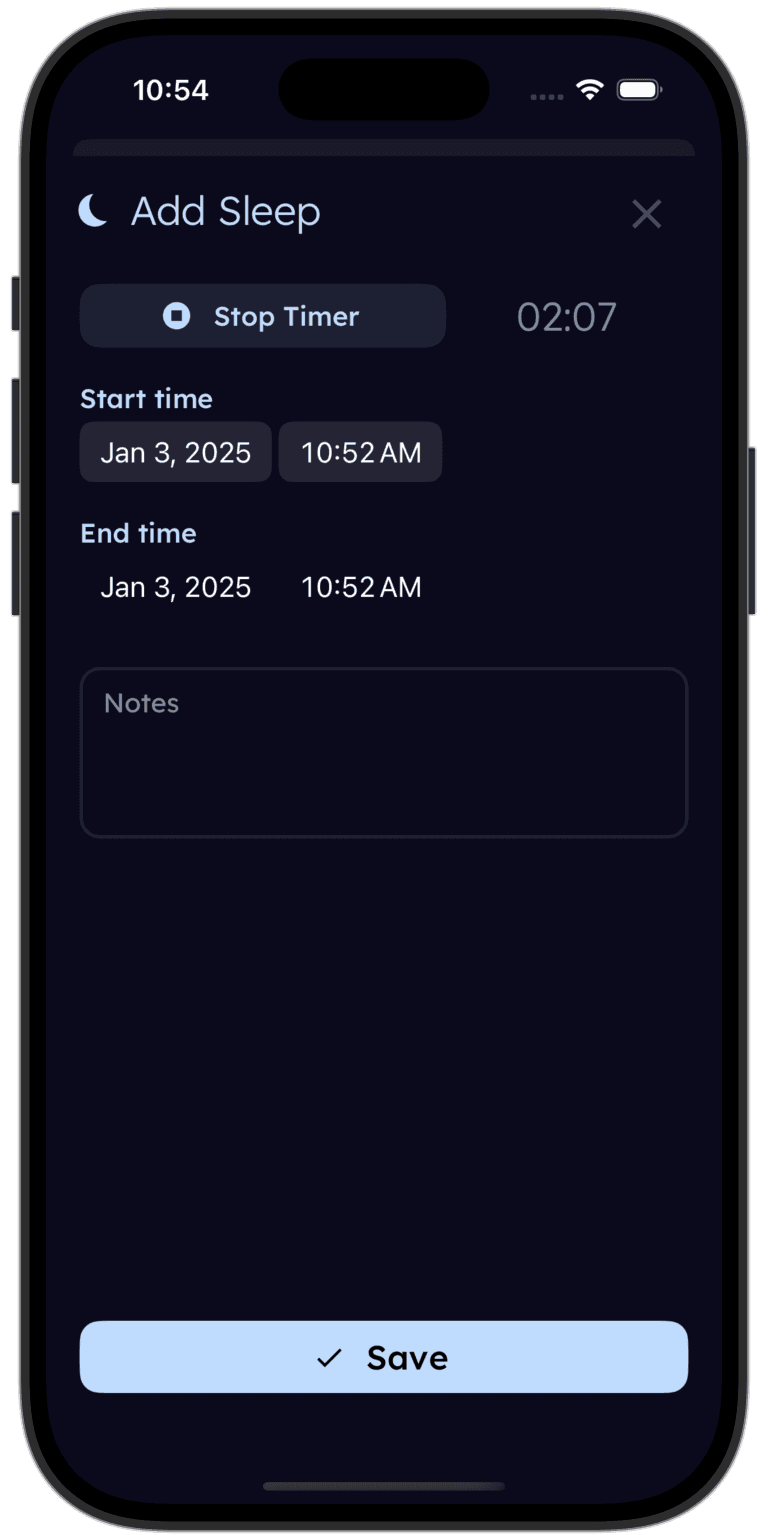
tinylog showing stable 15 month old one-nap schedule

The single-nap rhythm is set — see it clearly in your data.

With one nap locked in, your toddler's sleep pattern is the most consistent it's been. Tracking it now gives you a baseline that helps you navigate future disruptions — you'll know exactly what 'normal' looks like.

Download on the App StoreGet It On Google Play

What's Happening Developmentally

At 15 months, your toddler is walking confidently, possibly running, and climbing everything in sight. Their vocabulary is expanding (5 to 20 spoken words, many more understood), they're following two-step instructions, and showing the beginning of tantrum behavior when their desires are thwarted.

Independence is the dominant theme. Your toddler wants to feed themselves, choose their own clothes, and decide when to leave the park. This drive extends to sleep: they want to decide when to sleep and where to sleep. Structured choices (this book or that book, red pajamas or blue) satisfy the need for autonomy without compromising the sleep boundary.

Pretend play is developing — feeding dolls, making animal sounds, pretending to cook. This imagination development can occasionally produce nighttime fears, though this is more common after 18 months.

Common Problems at 15 Months

The single nap is too short

If the nap is consistently under 1.5 hours, the morning wake window may not be long enough. Try extending it by 15 minutes — your toddler may need 5+ hours of awake time to build enough sleep pressure for a full nap. Also check the sleep environment: at 15 months, light leaks and noise are more disruptive because your toddler is more alert.

New bedtime delaying tactics

Your toddler can now say 'more' — more books, more songs, more water, more hugs. This is the beginning of toddler bedtime stalling, and it's both adorable and maddening. The solution: build everything into the routine proactively. Water before teeth. Two books, then lights out. Last hug at the same point every night. When there's nothing left to negotiate, the stalling loses its power.

The 15-month regression (if it hits)

A mild regression around 15 months can occur, usually linked to language development and increasing independence. It typically looks like: slight increase in bedtime resistance, one or two new night wakings, or the nap shortening temporarily. It's usually milder than earlier regressions and resolves in 1 to 2 weeks. Maintain your routine and it will pass.

What No One Tells You About Sleep at 15 Months

The morning wake window is long — and that's okay

Once your toddler is on one nap, the morning stretch is 5+ hours. This can feel wrong — they've never been awake this long. But their body has adjusted, and they genuinely can handle it. If you try to squeeze in a morning nap 'just in case,' you'll disrupt the afternoon nap and bedtime. Trust the schedule. The long morning is the new normal.

The one-nap schedule is the most stable sleep period until your child drops naps entirely

This schedule — wake, morning activity, lunch, nap, afternoon activity, dinner, bed — will be your daily rhythm until your child drops the nap around age 2.5 to 3. If it's working, stop tweaking. Stability is the goal, not optimization. You've earned this predictability after a year of constant change.

When to Talk to Your Pediatrician

  • Your toddler isn't walking by 15 months
  • They have fewer than 5 words or aren't using gestures
  • Sleep disruption seems pain-related (ear pulling, inconsolable crying)
  • Snoring or noisy breathing during sleep
  • Extreme difficulty settling for sleep that doesn't improve with schedule adjustment
  • Any regression in previously acquired skills

The 15-month well visit is the perfect time to discuss sleep, development, and any concerns.

Related Guides

Sources

American Academy of Pediatrics (AAP). (2022). Healthy Sleep Habits: How Many Hours Does Your Child Need?
Mindell, J. A., et al. (2016). Development of infant and toddler sleep patterns. Journal of Sleep Research, 25(5), 508–516.
Galland, B. C., et al. (2012). Normal sleep patterns in infants and children: A systematic review. Sleep Medicine Reviews, 16(3), 213–222.
Baby Sleep Information Source (BASIS), Durham University. Normal Infant Sleep Development. https://www.basisonline.org.uk
Zero to Three. (2022). 12-15 Months: Your Child's Development. https://www.zerotothree.org

Medical Disclaimer

This guide is for informational purposes only and is not a substitute for professional medical advice. Always follow safe sleep guidelines as appropriate for your child's age. Consult your pediatrician with any concerns about your child's sleep.

Want this guide in your inbox?
We'll send you this one-nap guide to keep your rhythm strong.
One nap, one clear rhythm — track it.
Download ${appName} free — see your toddler's single-nap schedule in the data.
Download on the App StoreGet It On Google Play