GUIDE

18 Month Old Sleep Schedule

The 18-month regression is one of the toughest after the 4-month — driven by language, independence, separation anxiety, and sheer toddler willpower.

Your toddler's schedule hasn't changed. Their behavior around sleep may have changed completely. Here's what's happening and how to survive it.

Eighteen Months: The Toddler Regression

Eighteen months is one of the most intense developmental periods of toddlerhood — and sleep often takes a serious hit. The 18-month sleep regression is considered one of the toughest after the 4-month regression, driven by an explosive combination of factors: language development at full speed, emerging independence and willpower, separation anxiety peaking again, possible molar teething, and the sheer force of your toddler's personality.

Unlike the 4-month regression (which was biological and inevitable), the 18-month regression is behavioral and emotional — which means your response matters. How you handle bedtime battles, nap refusal, and night wakings during this period sets the tone for the next year of sleep. Consistent boundaries delivered with warmth and empathy are the formula.

Your toddler's schedule hasn't changed — one nap, consistent bedtime. But the behavior around that schedule can change dramatically. The previously cooperative sleeper may scream at bedtime, refuse naps, wake at night demanding your presence, and resist every step of the bedtime routine. This is temporary. Your calm consistency is what gets you through it.


18 Month Old Sleep at a Glance
Total sleep (24 hrs)
11–14 hours
Nighttime sleep
10–12 hours
Number of naps
1
Nap duration
1.5–2.5 hours
Wake windows
5–6 hours
During the regression, actual sleep may be less. Maintain the schedule and it stabilizes.

Sample 18 Month Old Schedule

The schedule is unchanged from previous months. Consistency is your superpower during the regression.

Sample daily schedule

  1. Wake + milk
  2. Breakfast
  3. Snack
  4. Lunch
  5. Nap (1.5–2.5 hrs)
  6. Wake + snack
  7. Dinner
  8. Bedtime routine
  9. Bedtime

Keep this schedule consistent even when the regression disrupts it. A reliable daily structure is the best tool for getting through the regression faster.

Wake Windows at 18 Months

Wake windows are 5 to 6 hours. Morning: about 5.5 to 6 hours. Afternoon: about 5 hours. Slightly longer than at 16 to 17 months as your toddler's sleep needs gradually shift. During the regression, your toddler may seem wired and resistant to sleep even when the window is right. Trust the schedule over their apparent energy — they may be overtired underneath the defiance.

Naps at 18 Months

One nap, 1.5 to 2.5 hours. During the regression, nap refusal is common. The most important thing: DO NOT drop the nap. Eighteen-month-olds still need it. Keep offering it at the same time every day. If they won't sleep, do quiet time in the crib (30 to 45 minutes with a couple of board books). On true no-nap days, move bedtime 30 to 45 minutes earlier.

Nighttime Sleep at 18 Months

Nighttime sleep is 10 to 12 hours. The regression often hits bedtime hardest — screaming, clinging, refusal to be put down. Night wakings may increase, and night terrors may appear for the first time. Separation anxiety plays a major role: your toddler knows you're out there and wants you. Keep responses at night brief and boring. If you need to check in, use the same words every time: "I'm here. You're safe. It's sleep time." For a deep dive, see our 18-month sleep regression guide.

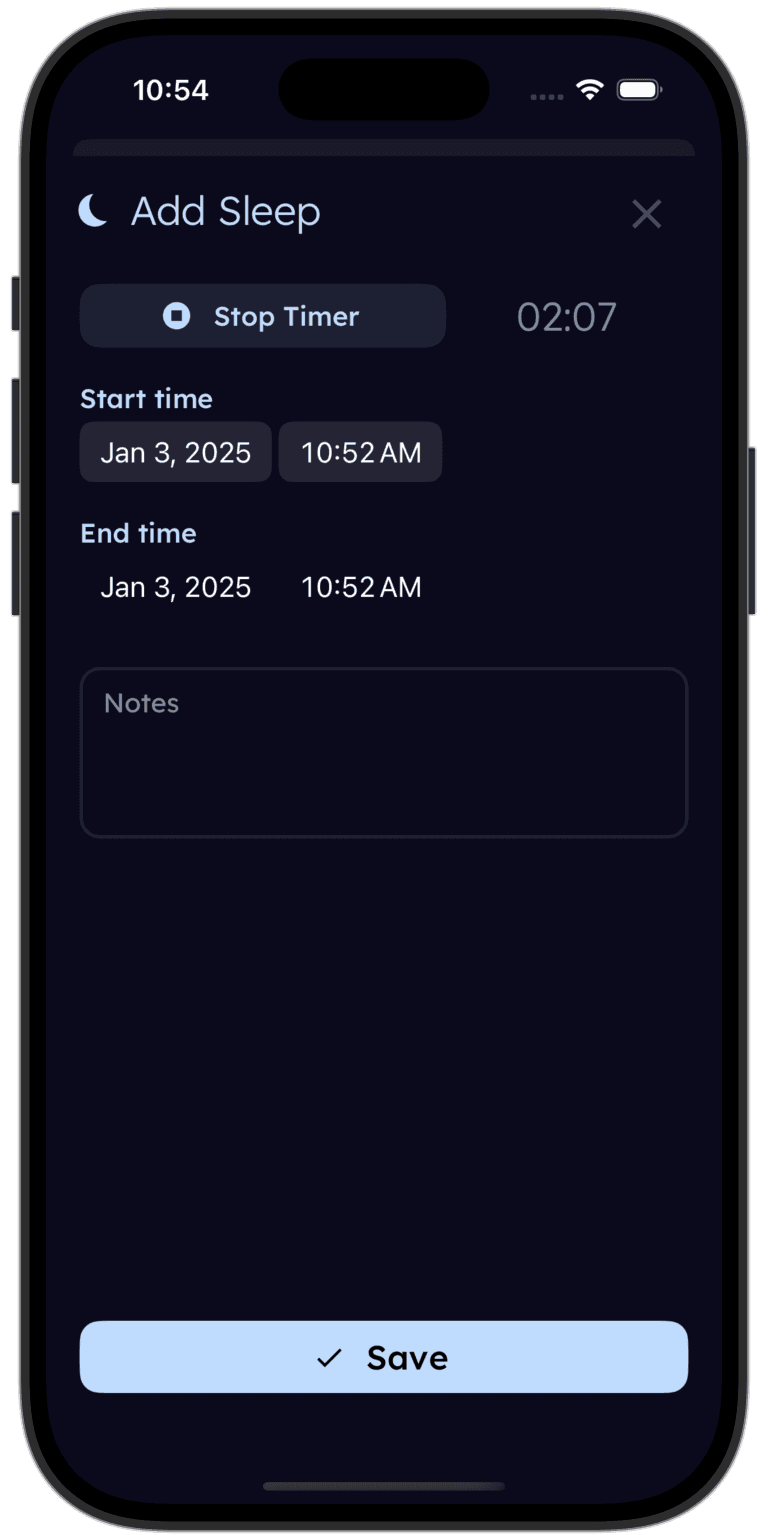
tinylog tracking 18 month sleep regression

The regression feels endless — tracked data shows you the arc.

When you're living through the 18-month regression, every night feels like the worst. But data reveals what feelings can't: the peak, the gradual improvement, and the moment things start clicking again.

Download on the App StoreGet It On Google Play

What's Happening Developmentally

At 18 months, your toddler has 50 to 200+ words, is forming two-word phrases, running, climbing, testing every boundary in sight, and experiencing the full range of human emotions — often in the span of 5 minutes. Tantrums are a normal expression of frustration when their language can't match their desires. Fierce independence alternates with desperate clinginess. The push-pull between "I do it myself!" and "Don't leave me!" defines this age and directly impacts sleep. Your toddler is realizing they are a separate person from you, and that realization is both exciting and scary. Sleep is when the distance between you and them feels largest — which is why bedtime becomes the flashpoint.

Common Problems at 18 Months

Complete bedtime meltdown

The 18-month regression often hits hardest at bedtime. Your toddler who used to go down happily now screams, clings, and has full-body meltdowns when you try to leave. They're not being difficult — they're overwhelmed by their own development. The push-pull between fierce independence ('I do it!') and desperate need for you ('Don't leave!') is the central tension of 18 months. Stay calm, stay consistent, stay loving. Same routine, same words, same goodbye. It passes in 2 to 6 weeks.

Nap strike — do NOT drop the nap

Your toddler may refuse the nap for days during the regression. Do NOT drop it. Eighteen-month-olds still need a daily nap. Keep offering it at the same time. If they don't sleep after 30 minutes, try quiet time in the crib with a few board books. Even if they don't sleep, the downtime is restorative. On no-nap days, move bedtime 30 to 45 minutes earlier.

Night terrors appearing

Night terrors are different from nightmares. During a night terror, your toddler may scream, thrash, and appear awake (eyes open, sitting up) but they are NOT conscious. They won't respond to you and won't remember it. Don't try to wake them — it can make the episode longer and more intense. Stay nearby, keep them safe, and it will pass in 5 to 20 minutes. Night terrors are more common when toddlers are overtired.

What No One Tells You About Sleep at 18 Months

The regression is driven by your toddler's growing sense of selfhood

At 18 months, your toddler is realizing they are a separate person from you — with their own desires, preferences, and fears. This is a massive cognitive leap and it's both terrifying and exhilarating for them. The clinginess at bedtime isn't manipulation — it's a normal developmental response to the cognitive leap of selfhood. They need you to be their anchor while they process this new understanding.

Night terrors are more common than most parents realize — and they look worse than they are

Night terrors happen during the transition from deep sleep to lighter sleep. Your toddler appears awake — eyes open, screaming, inconsolable — but they're not conscious. They won't remember it in the morning. The best response: stay nearby, keep them safe, don't try to wake them. Night terrors are more likely when your toddler is overtired, so protecting the nap and keeping bedtime consistent are the best prevention.

When to Talk to Your Pediatrician

  • Night terrors lasting more than 30 minutes or happening multiple times per night
  • Excessive daytime sleepiness despite adequate sleep opportunity
  • Snoring or breathing difficulties
  • Regression in previously acquired skills (words they used to say, skills they used to have)
  • The regression persists beyond 6 weeks with no improvement at all
  • Your own mental health is suffering — the 18-month regression is exhausting

The 18-month well visit is the perfect time to discuss sleep, development, and the regression.

Related Guides

Sources

American Academy of Pediatrics (AAP). (2022). Healthy Sleep Habits: How Many Hours Does Your Child Need?
Mindell, J. A., et al. (2017). Sleep and Social-Emotional Development in Infants and Toddlers. Journal of Clinical Child & Adolescent Psychology, 46(2), 236–246.
Galland, B. C., et al. (2012). Normal sleep patterns in infants and children: A systematic review. Sleep Medicine Reviews, 16(3), 213–222.
Baby Sleep Information Source (BASIS), Durham University. Normal Infant Sleep Development. https://www.basisonline.org.uk
Zero to Three. (2022). 15-18 Months: Your Child's Development. https://www.zerotothree.org

Medical Disclaimer

This guide is for informational purposes only and is not a substitute for professional medical advice. Always follow safe sleep guidelines as appropriate for your child's age. Consult your pediatrician with any concerns about your child's sleep.

Want this guide in your inbox?
We'll send you this regression survival guide for 2 AM reference.
Track the regression — see when it ends.
Download ${appName} free — log sleep and spot the turning point.
Download on the App StoreGet It On Google Play