


GUIDE

19 Month Old Sleep Schedule

The 18-month regression is fading. Your toddler's sleep is stabilizing — but the bedtime tactics they learned during the regression may stick around.

Recovery looks like longer stretches, easier bedtimes, and a toddler who remembers every trick that worked during the regression. Here's how to rebuild.

Nineteen Months: The Regression Is Fading

Nineteen months is recovery territory. The 18-month regression — one of the toughest sleep disruptions of toddlerhood — is fading. Bedtime battles are losing their intensity. The nap is returning. Night wakings are decreasing. Your toddler is sleeping better, and you can breathe again.

But here's what catches many parents off guard: the regression may be over, but the habits formed during the regression can persist. If you started lying with your toddler until they fell asleep, or brought them to your bed at 3 AM, or added three extra books and two more songs to survive those weeks — your toddler remembers all of it. And they'd like to keep those arrangements, please.

The work of 19 months is rebuilding. Same schedule, same routine, but tightening the boundaries that loosened during the storm. This isn't starting over — it's returning to the structure that was already working before the regression hit. Your toddler's sleep foundations are still there. You're just clearing the debris.

19 Month Old Sleep at a Glance
Total sleep (24 hrs)
11–14 hours
Nighttime sleep
10–12 hours
Number of naps
1
Nap duration
1.5–2.5 hours
Wake windows
5–6 hours
As the regression resolves, actual sleep should approach these ranges again.

Sample 19 Month Old Schedule

The same schedule as 18 months. Stability is recovery.

Sample daily schedule

  1. Wake + milk
  2. Breakfast
  3. Snack
  4. Lunch
  5. Nap (1.5–2.5 hrs)
  6. Wake + snack
  7. Dinner
  8. Bedtime routine
  9. Bedtime

The schedule hasn't changed. The behavior around the schedule is what's improving. Keep everything consistent and let the recovery happen naturally.

Wake Windows at 19 Months

Wake windows are 5 to 6 hours — unchanged from 18 months. Morning: about 5.5 to 6 hours. Afternoon: about 5 hours. As the regression resolves, your toddler should handle these windows without the overtired meltdowns that characterized the peak regression weeks. If they still seem wired and resistant at nap or bedtime, they may still be processing the tail end of the regression. Give it another week of consistency.

Naps at 19 Months

One nap, 1.5 to 2.5 hours. The nap is usually the last thing to fully recover after the regression. Your toddler may still have occasional short naps or nap refusal days for another week or two after bedtime and night sleep have improved. Keep offering the nap at the same time. If they don't sleep, do quiet time in the crib for 30 to 45 minutes. On no-nap days, move bedtime earlier.

Nighttime Sleep at 19 Months

Nighttime sleep is 10 to 12 hours. Night wakings should be decreasing as the regression resolves. If your toddler is still waking at night but the wakings are brief and they can resettle, the regression is ending. If they're waking and requiring your presence to fall back asleep, the regression habit (not the regression itself) is the issue. Gradual withdrawal works: reduce your involvement by one step every few nights until they're resettling independently again.

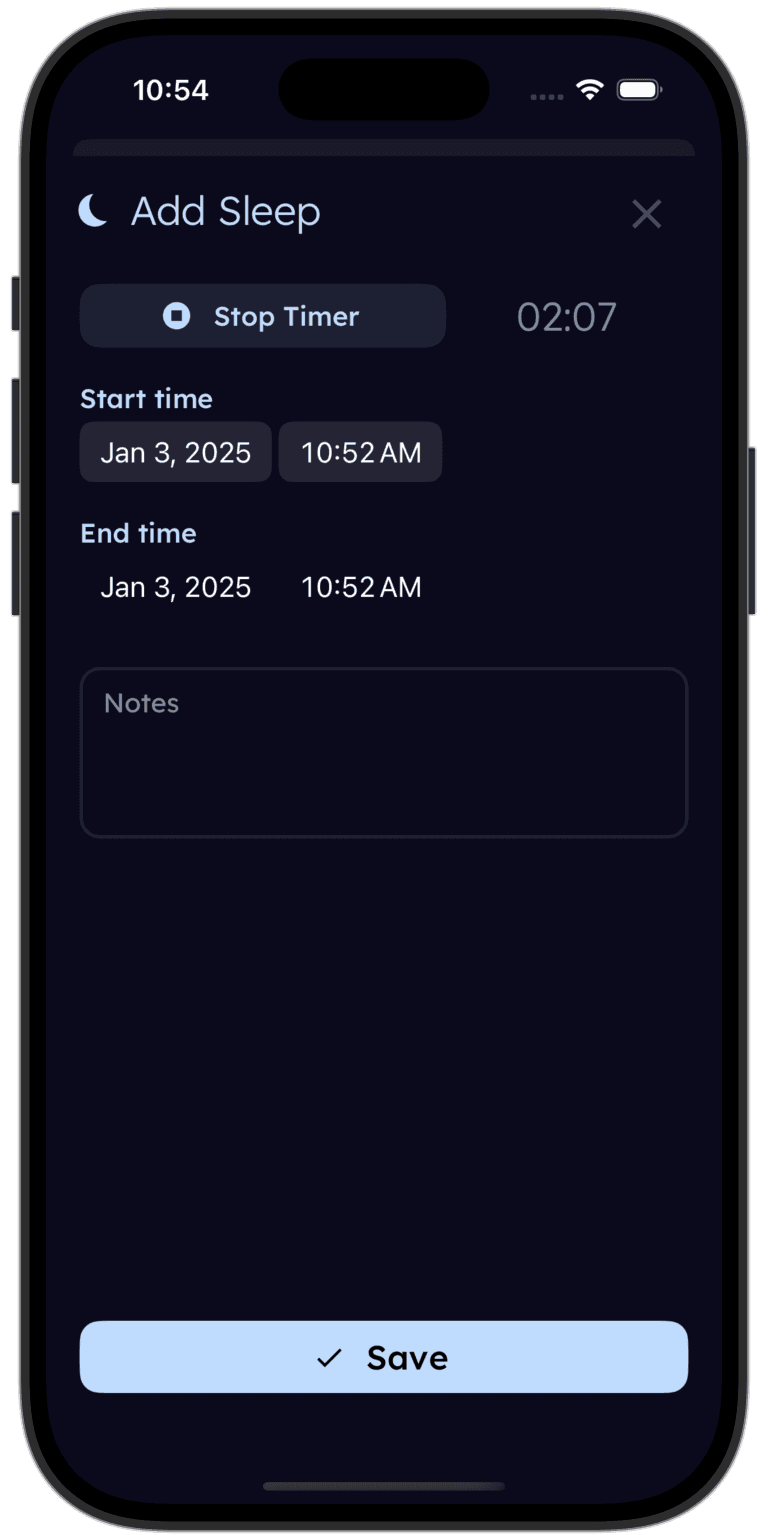
tinylog showing post-regression sleep recovery at 19 months

The regression had an arc — your data proves it.

When you're in the regression, every night feels equally terrible. But tracked data reveals what feelings can't: the peak, the plateau, and the gradual return to normal. At 19 months, looking back at the data is genuinely reassuring.

Download on the App StoreGet It On Google Play

What's Happening Developmentally

At 19 months, your toddler's language is exploding — possibly 50 to 200+ words, two-word combinations becoming common, and comprehension far exceeding expression. They're running confidently, climbing everything, and their pretend play is becoming more elaborate. Empathy is emerging: they may try to comfort a crying child or bring you a toy when you seem sad.

The independence drive is at full force, but the separation anxiety that peaked during the regression is easing. Your toddler is learning that you come back — every bedtime goodbye that ends with a morning reunion reinforces this. The push-pull between independence and attachment is finding a healthier balance. Sleep benefits directly from this emotional maturation.

Common Problems at 19 Months

Regression habits that outlast the regression

During the 18-month regression, you may have introduced new sleep associations to survive — lying with your toddler, extra rocking, bringing them to your bed at 3 AM. These habits can persist after the developmental storm passes. The fix is gradual: reduce your involvement by one step every few nights. If you were lying with them until asleep, sit by the crib instead. Then move the chair to the door. Then say goodnight and leave. Consistency over 1 to 2 weeks resets expectations.

Sophisticated bedtime stalling

Your 19-month-old remembers what worked during the regression. Crying got you back in the room. Asking for water bought 5 more minutes. Saying 'scared' produced extra cuddles. These tactics may continue even though the underlying developmental disruption has passed. The solution: build every legitimate need into the routine proactively, then hold the boundary with warmth. 'We had water. We read books. I love you. Goodnight.'

Nap length not fully recovered

Naps may take an extra week or two to return to full length after the regression. If your toddler is napping only 1 to 1.5 hours instead of the usual 2+, keep the schedule consistent. The nap lengthens as the regression fully resolves. On short-nap days, move bedtime 30 minutes earlier.

What No One Tells You About Sleep at 19 Months

Post-regression sleep is often better than pre-regression sleep

Many families find that once the 18-month regression resolves, their toddler's sleep is actually more mature and consolidated than before. The regression involved real neurological development — your toddler's brain has made genuine cognitive leaps. The sleep that emerges after the regression often features fewer brief wakings and more efficient sleep cycles. The storm produced growth.

Your toddler is testing whether the regression rules are the new normal

After the regression, your toddler will test the boundaries for another 1 to 2 weeks. They're not being difficult — they're genuinely checking: are the new rules (extra cuddles, coming to your bed, extended rocking) permanent or temporary? Your consistent response to these tests determines how quickly you return to the pre-regression routine. Every time you hold the boundary with warmth, you're teaching them that the regression rules have expired.

When to Talk to Your Pediatrician

  • The regression has lasted more than 6 weeks with no improvement
  • Your toddler has lost words or skills they previously had
  • Excessive daytime sleepiness despite adequate sleep opportunity
  • Snoring or breathing difficulties during sleep
  • Night terrors that are frequent (multiple times per week) or prolonged
  • Your own mental health needs support after the regression

If the regression hasn't improved at all after 6 weeks, discuss with your pediatrician.

Related Guides

Sources

American Academy of Pediatrics (AAP). (2022). Healthy Sleep Habits: How Many Hours Does Your Child Need?
Mindell, J. A., et al. (2017). Sleep and Social-Emotional Development in Infants and Toddlers. Journal of Clinical Child & Adolescent Psychology, 46(2), 236–246.
Galland, B. C., et al. (2012). Normal sleep patterns in infants and children: A systematic review. Sleep Medicine Reviews, 16(3), 213–222.
Baby Sleep Information Source (BASIS), Durham University. Normal Infant Sleep Development. https://www.basisonline.org.uk
Zero to Three. (2022). 18-24 Months: Your Child's Development. https://www.zerotothree.org

Medical Disclaimer

This guide is for informational purposes only and is not a substitute for professional medical advice. Always follow safe sleep guidelines as appropriate for your child's age. Consult your pediatrician with any concerns about your child's sleep.

Want this guide in your inbox?
We'll send you this post-regression recovery guide for easy reference.
Recovery is real — see it in the data.
Download ${appName} free — track the return to normal after the regression.
Download on the App StoreGet It On Google Play