A baby born at 32 weeks had 8 fewer weeks of brain and body development in the womb compared to a full-term baby. Those weeks matter enormously. The brain is growing rapidly during the final weeks of pregnancy — neural pathways are forming, myelination is occurring, and organ systems are maturing. A preemie born at 32 weeks needs approximately 8 additional weeks after birth to reach the same developmental starting point as a full-term newborn.
Adjusted age (also called corrected age) accounts for this by subtracting the weeks of prematurity from the baby's chronological age. A 4-month-old who was born 8 weeks early has an adjusted age of about 2 months. When you evaluate milestones at 2 months instead of 4 months, the picture changes dramatically — that baby who seemed "behind" on a full-term timeline is likely right on track for their developmental age.
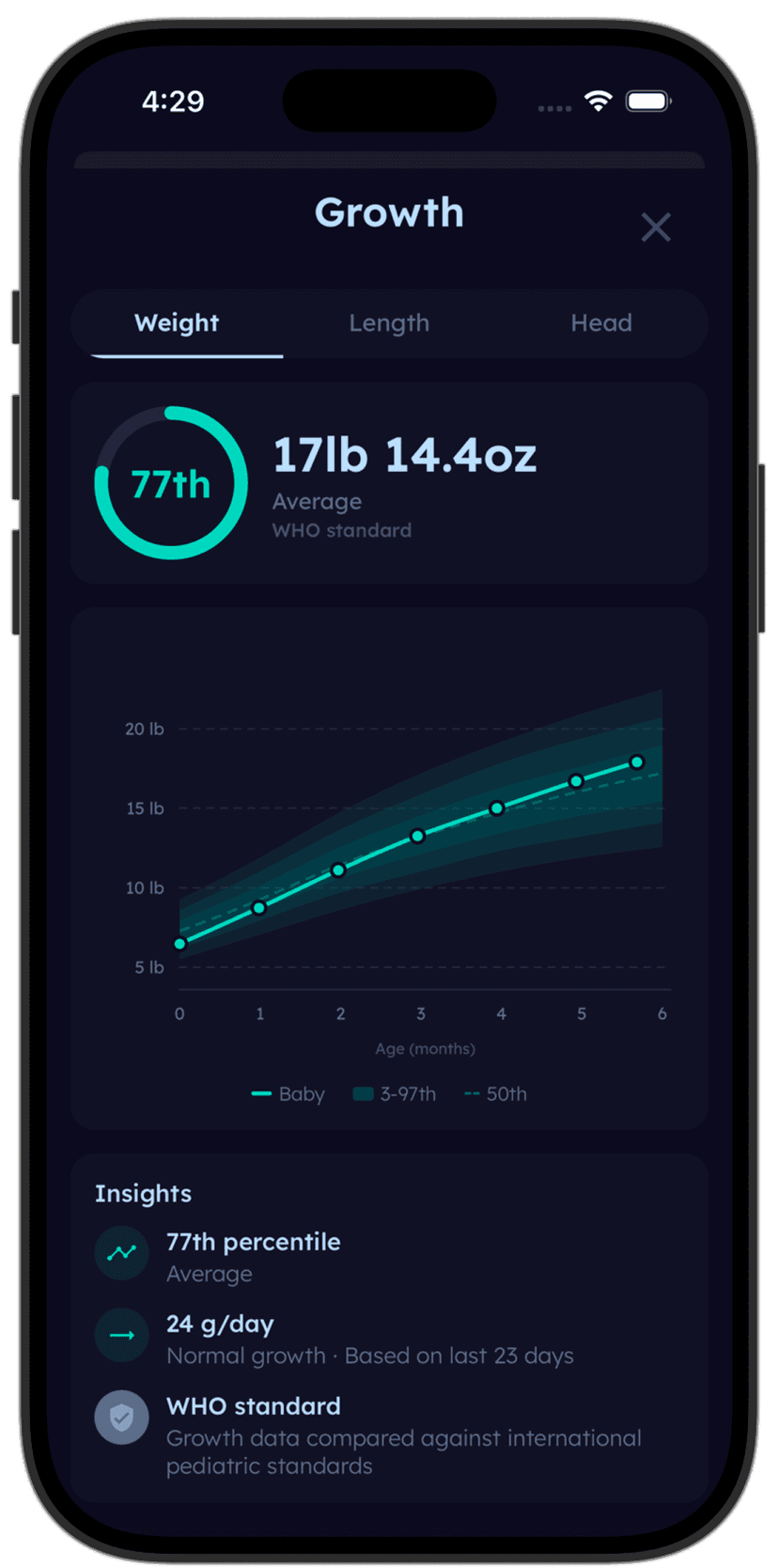
The AAP, WHO, and virtually every neonatal follow-up program in the world recommends using adjusted age for developmental and growth assessments in preemies. For growth tracking, Fenton growth charts are specifically designed for premature babies and use gestational age as their reference point. This is not about lowering the bar — it is about using the correct measuring stick.