
GUIDE
Burt's Bees Beekeeper Wearable Blanket vs. Kyte Baby Sleep Bag
Published on
Both are well-made sleep sacks that parents trust. The Burt's Bees Beekeeper is an organic cotton sack at a budget-friendly price — great for warm sleepers and everyday use. The Kyte Baby Sleep Bag is a bamboo rayon sack that feels buttery soft and regulates temperature well — but costs roughly three times as much. For most families, Burt's Bees is the smarter buy. Kyte is the upgrade if softness and temperature regulation are your top priorities.
Sleep sacks replaced loose blankets as the safe sleep standard years ago, and now the market is flooded with options. Burt's Bees Baby and Kyte Baby are two of the most popular brands parents search for — one positioned as an affordable organic staple, the other as a premium bamboo luxury item. The quality gap is smaller than the price gap suggests.
Log naps, nighttime sleep, and wake windows
Two Popular Sleep Sacks — Here's What Actually Sets Them Apart
Sleep sacks are one of the simplest baby products you will buy, and one of the most important. They replace loose blankets in the crib, which the AAP recommends against, and they keep your baby warm without the suffocation risk. Every baby needs at least two or three.
The Burt's Bees Baby Beekeeper Wearable Blanket and the Kyte Baby Sleep Bag are two of the most-searched sleep sacks on the market. They sit at very different price points — roughly $20 versus $40 — and use different fabrics with different strengths.
We compared them on fabric, temperature regulation, sizing, durability, and cost so you can decide which one belongs in your nursery rotation. For guidance on how much sleep your baby needs at each age, see our baby sleep schedule guides.
| Feature | Burt's Bees Beekeeper | Kyte Baby Sleep Bag | What It Means |
|---|---|---|---|
| Fabric | 100% GOTS-certified organic cotton | Bamboo rayon (viscose from bamboo) | Different materials with different strengths. Cotton is durable and familiar. Bamboo rayon is softer and more moisture-wicking. |
| Softness | Soft — standard cotton feel | Very soft — buttery smooth, often compared to silk | Kyte wins on softness. The bamboo rayon feels noticeably more luxurious against skin. |
| Temperature regulation | Good — cotton breathes well but does not actively wick moisture | Very good — bamboo rayon wicks moisture and adjusts to body temperature | Kyte has an edge for temperature regulation. Bamboo rayon keeps babies comfortable across a wider temp range. |
| TOG options | 1.0 TOG standard | 1.0 TOG standard, 0.5 TOG and 2.5 TOG also available | Kyte offers more TOG options for different climates and seasons. |
| Sizing | S (0–6 mo), M (6–12 mo), L (12–18 mo) | Newborn, 0–6 mo, 6–18 mo, 18–36 mo | Kyte offers a wider age range including a newborn size and a toddler size up to 36 months. |
| Zipper design | Bottom-up zipper for easy diaper changes | Two-way zipper (top-down and bottom-up) | Kyte's two-way zipper is more versatile. Both allow diaper changes without fully removing the sack. |
| Print and color options | Wide variety — prints, solids, seasonal patterns | Wide variety — muted tones, seasonal collections, limited editions | Both offer plenty of options. Burt's Bees skews playful. Kyte skews modern and minimalist. |
| Certifications | GOTS-certified organic cotton, OEKO-TEX Standard 100 | OEKO-TEX Standard 100 | Burt's Bees has the stronger certification story with GOTS organic. Both are free of harmful chemicals. |
| Durability | Good — cotton holds up well, may shrink slightly after first wash | Good — bamboo rayon resists pilling but can thin over many washes | Both are durable for their intended lifespan. Cotton is slightly more rugged; bamboo stays smoother longer. |
| Machine washable | Yes — cold water, tumble dry low | Yes — cold water, tumble dry low | Tie. Both are easy to care for. |
The Fabric Difference: Organic Cotton vs. Bamboo Rayon
This is where the two sleep sacks diverge most meaningfully.
Burt's Bees Beekeeper is made from 100% GOTS-certified organic cotton. GOTS (Global Organic Textile Standard) is the gold standard for organic textiles — it means the cotton was grown without synthetic pesticides, processed without harmful chemicals, and the supply chain was audited. Cotton is breathable, durable, and a fabric that parents have trusted for generations.
Kyte Baby Sleep Bag is made from bamboo rayon (also called viscose from bamboo). Bamboo rayon is notably softer than cotton — many parents describe it as buttery or silky. It also wicks moisture away from skin more effectively than cotton and naturally regulates temperature, keeping babies cooler when warm and warmer when cool.
The tradeoff: bamboo rayon goes through a chemical conversion process to become fabric. While the finished product is safe and OEKO-TEX certified, it does not carry the same organic certification story that Burt's Bees offers. If the organic supply chain matters to you, Burt's Bees wins. If the feel of the fabric against your baby's skin matters most, Kyte wins.
Temperature Regulation: Where Kyte Pulls Ahead
Keeping your baby at the right temperature overnight is one of the biggest concerns for new parents — and for good reason. Overheating is a risk factor for SIDS, and babies cannot regulate their own body temperature as well as adults.
Bamboo rayon (Kyte) has a genuine advantage here. The fiber structure wicks moisture and allows air circulation, which helps prevent overheating. Parents in warmer climates and parents of babies who run hot consistently report that Kyte keeps their baby more comfortable overnight.
Organic cotton (Burt's Bees) breathes well but does not actively wick moisture the way bamboo rayon does. In a well-regulated room at the AAP-recommended 68-72 degrees F, cotton performs perfectly fine. The difference becomes more noticeable in warmer rooms or with babies who sweat during sleep.
If your nursery stays within the recommended temperature range and your baby does not run particularly hot, this advantage is modest. If you are dealing with warm nights or a sweaty sleeper, Kyte's fabric is genuinely better suited to the job.
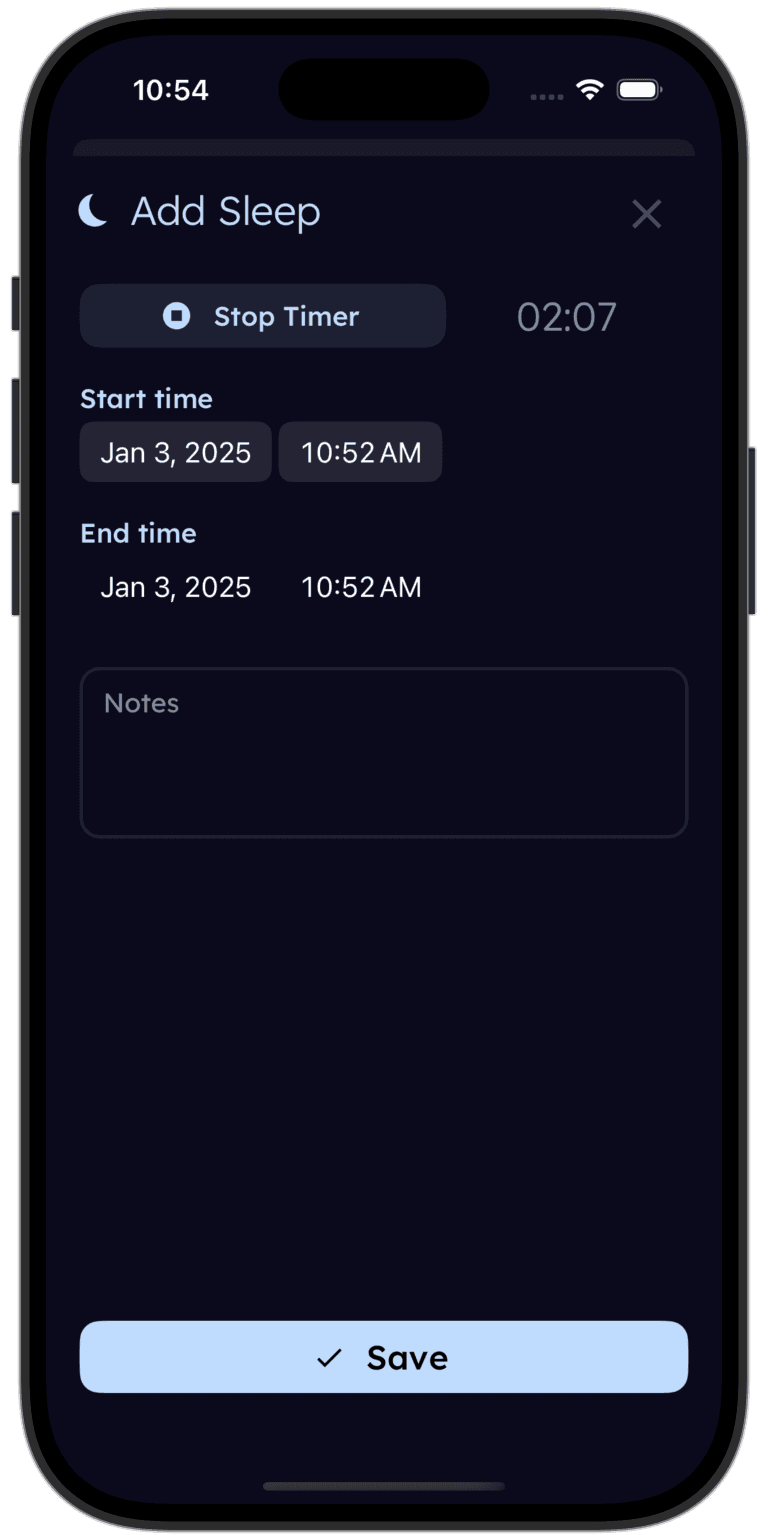
Tinylog tracks sleep so you can spot patterns early.
Log naps, bedtimes, and wake windows. See patterns emerge over days and weeks. Bring the data to your next pediatrician visit.


Sizing and Zipper Design
Both brands offer a straightforward size range, but Kyte covers a wider window.
Burt's Bees sizes run Small (0-6 months), Medium (6-12 months), and Large (12-18 months). That covers the core sleep sack period for most babies. The bottom-up zipper lets you unzip from the feet for diaper changes without pulling the sack over your baby's head.
Kyte Baby adds a dedicated newborn size and extends up to 18-36 months for toddlers. The two-way zipper opens from both top and bottom, giving you more flexibility — especially useful if you need to check a diaper without fully unzipping. It is a small design detail, but parents who have fumbled with a one-way zipper at 3 AM appreciate it.
For fit, both run true to size. Some parents report Burt's Bees runs slightly shorter in the torso, which can matter for longer babies. Kyte tends to have a roomier cut through the body, allowing more leg movement.
Durability and Wash Performance
You are going to wash sleep sacks constantly. Spit-up, diaper leaks, drool — these things earn their keep in the laundry rotation.
Burt's Bees cotton holds up well over dozens of washes. Expect minor shrinkage after the first wash (size accordingly) and the fabric softens over time. Cotton can pill slightly after many cycles, but the overall structure stays intact.
Kyte Baby bamboo rayon resists pilling better than cotton and maintains its silky feel longer. However, some parents note that the fabric can thin slightly after many washes, especially if dried on higher heat. Stick to the care instructions — cold water, low heat — and it holds up well.
Both will last through one child's use of a given size with no issues. If you are planning to pass them down to a second child, cotton is slightly more forgiving of accumulated wear.
| Product | Typical Price | Cost Per Month | Notes |
|---|---|---|---|
| Burt's Bees Beekeeper Wearable Blanket | $16–$25 | ~$3–$4 (over 6-month size window) | Available at Target, Amazon, Walmart. Frequently on sale. |
| Kyte Baby Sleep Bag (1.0 TOG) | $36–$46 | ~$6–$8 (over 6-month size window) | Available at kytebaby.com, Nordstrom, select boutiques. Sales are rare. |
| Burt's Bees (2-pack bundle) | $28–$40 | ~$5–$7 (over 6-month size window) | Two-packs bring the per-sack cost down to ~$14–$20 each. Best value option. |
| Kyte Baby Sleep Bag (2.5 TOG, winter) | $44–$52 | ~$7–$9 (over 6-month size window) | The heavier TOG option costs slightly more. Good for cold climates or drafty rooms. |
Price: The Gap Is Real
This is where the decision gets practical. The Burt's Bees Beekeeper costs roughly $16-$25 per sack. The Kyte Baby Sleep Bag costs roughly $36-$46 per sack. That is a 2-3x price difference.
Most families need at least 2-3 sleep sacks per size (one on the baby, one in the wash, one backup). Here is what that looks like:
- Burt's Bees (3 sacks): ~$48-$75 per size
- Kyte Baby (3 sacks): ~$108-$138 per size
Over two or three sizes, the cost difference adds up to $100-$200. That is real money — especially when you are already spending on diapers, wipes, formula, and everything else.
Is Kyte Baby three times better than Burt's Bees? No. Is it noticeably softer and better at temperature regulation? Yes. Whether that justifies the price premium depends entirely on your budget and priorities. A baby sleeping safely in a Burt's Bees sack is sleeping just as safely as a baby in a Kyte sack.
Choose the Burt's Bees Beekeeper If
- Budget matters and you want a quality sleep sack without a premium price tag
- Organic cotton certification (GOTS) is important to you
- Your baby sleeps in a well-regulated room temperature (68-72 degrees F)
- You want to buy multiples for frequent washing without a big investment
- You prefer cotton — it is a fabric you know and trust
- You want a sleep sack that is easy to find at Target, Amazon, or Walmart
Choose the Kyte Baby Sleep Bag If
- Softness is your top priority and you want the most comfortable fabric against your baby's skin
- Your baby runs hot or you live in a climate with wide temperature swings
- You want a two-way zipper for more versatile diaper changes
- You need a sleep sack that goes up to 36 months for a toddler
- You value moisture-wicking performance for overnight comfort
- You do not mind paying a premium for a product that feels noticeably luxurious
Where to Buy
The Burt's Bees Beekeeper (~$16-$25) is a reliable, organic cotton sleep sack that does everything you need at a price that lets you stock up without guilt. It is widely available at Target, Amazon, and Walmart, and frequently goes on sale. For most families, this is the one to start with.
The Kyte Baby Sleep Bag (~$36-$46) is the upgrade pick if softness, temperature regulation, and a wider size range matter to you. The bamboo rayon fabric is genuinely a step up in feel and moisture-wicking performance. Available at kytebaby.com, Nordstrom, and select baby boutiques.
Our honest take: buy one of each and see which your baby seems more comfortable in overnight. If you cannot tell a difference, save your money and stock up on Burt's Bees.
Tinylog earns a small commission on purchases made through these links, at no cost to you.
Tip: check promo.new before purchasing. It's hit or miss depending on the product, but when it hits, you'll be glad you checked.
The Bottom Line
The Burt's Bees Baby Beekeeper and the Kyte Baby Sleep Bag are both safe, well-made sleep sacks from reputable brands. The differences are real but come down to fabric preference and budget.
Burt's Bees Beekeeper wins on price, organic certification, and availability. It is a straightforward, trustworthy sleep sack that does its job well. For families watching their budget or who want to buy multiples without thinking twice, it is the smart pick.
Kyte Baby Sleep Bag wins on softness, temperature regulation, size range, and zipper design. It is a premium product that feels premium. For families who prioritize the best possible fabric against their baby's skin and are willing to pay for it, Kyte delivers.
Both keep your baby safe. Both replace loose blankets in the crib. Both will survive the washing machine. The rest is personal preference and budget — and neither choice is wrong.
If you are tracking your baby's sleep patterns — and it is worth doing, because you will notice trends faster than you expect — Tinylog makes it easy to log naps, nighttime sleep, and wake windows so you can share real data with your pediatrician.
Related Guides
- 4-Month-Old Sleep Schedule — Naps, nighttime sleep, and wake windows at four months
- 4-Month Sleep Regression — What is happening and how to handle it
- Sleep Regression vs. Sleep Problem — How to tell the difference
- White Noise vs. Pink Noise vs. Brown Noise — Which sound helps babies sleep best
Sources
- Burt's Bees Baby. "Beekeeper Wearable Blanket — Product Information." burtsbeesbaby.com, 2026.
- Kyte Baby. "Sleep Bag — Product Information." kytebaby.com, 2026.
- American Academy of Pediatrics. "Safe Sleep Recommendations." healthychildren.org, 2024.
- Global Organic Textile Standard. "GOTS Certification Requirements." global-standard.org, 2025.
- OEKO-TEX. "Standard 100 by OEKO-TEX — Product Certification." oeko-tex.com, 2025.
- BabyGearLab. "Best Sleep Sacks of 2026, Tested & Reviewed." babygearlab.com, 2026.
- Wirecutter (NYT). "The Best Sleep Sacks and Wearable Blankets." nytimes.com/wirecutter, 2025.
This guide is for informational purposes only and is not a substitute for safe sleep guidance from your pediatrician. Always follow the American Academy of Pediatrics safe sleep guidelines. Product specifications and pricing can change — verify current details on the manufacturer's website before purchasing.
Frequently asked questions
- Is the Kyte Baby Sleep Bag worth three times the price of the Burt's Bees Beekeeper?
- It depends on what you value. The Kyte Baby Sleep Bag uses bamboo rayon that is noticeably softer and better at temperature regulation. But the Burt's Bees Beekeeper is made with GOTS-certified organic cotton and performs well for most babies. If softness and moisture wicking are your top priorities, Kyte delivers. If you want a solid, safe sleep sack without the premium price, Burt's Bees is hard to beat.
- Which sleep sack is better for hot sleepers?
- The Kyte Baby Sleep Bag in 1.0 TOG is slightly better for hot sleepers because bamboo rayon wicks moisture and breathes well. However, the Burt's Bees Beekeeper in their lighter weight is also a good option — organic cotton is naturally breathable. For very warm climates, look for a 0.5 TOG option from either brand if available.
- Are both sleep sacks safe for overnight use?
- Yes. Both the Burt's Bees Beekeeper and the Kyte Baby Sleep Bag are designed for safe overnight sleep. They are sleeveless, have no loose fabric near the face, and replace loose blankets in the crib — which is exactly what the AAP recommends.
- What TOG rating should I choose?
- TOG measures thermal resistance. For room temperatures of 68-72 degrees F (the AAP recommended range), a 1.0 TOG sleep sack works well for most babies. Go lower (0.5 TOG) for warmer rooms or warm sleepers. Go higher (1.5-2.5 TOG) for cooler rooms. Always check your baby's chest or back for warmth — hands and feet are not reliable indicators.
- Can I put both sleep sacks in the washing machine?
- Yes. Both are machine washable. Burt's Bees recommends washing in cold water and tumble drying on low. Kyte Baby also recommends cold water and low heat. Both hold up well over repeated washes, though the Kyte fabric tends to pill less than cotton over time.
- When should my baby stop using a sleep sack?
- There is no strict age limit. Most babies can use sleep sacks until they transition to a toddler bed, typically around age 2-3. Some toddler sleep sacks have foot openings for walking. Stop using a sleep sack if your child can climb out of the crib while wearing one, as that creates a fall risk.