
GUIDE
Burt's Bees Beekeeper vs. Nested Bean Zen Sack
Published on
The Beekeeper is a lightweight, affordable organic cotton sleep sack. The Zen Sack has a gently weighted center designed to mimic a parent's touch. Both are safe and well-made — they just solve different problems.
One is a straightforward wearable blanket. The other is built around the idea that a little pressure on baby's chest can help them settle. Your pick depends on whether your baby needs that extra calming weight or just a solid, breathable sleep sack.
Log naps, bedtime, and wake windows
Two Good Sleep Sacks — Built for Different Babies
The Burt's Bees Baby Beekeeper Wearable Blanket and the Nested Bean Zen Sack are both popular, well-reviewed sleep sacks. But they are not really competing against each other — they are solving different problems.
The Beekeeper is a classic wearable blanket. Organic cotton, lightweight, affordable, tons of cute prints. It replaces loose blankets in the crib and keeps your baby warm without the suffocation risk. Straightforward and effective.
The Zen Sack does all of that too, but adds a lightly weighted insert on the chest and sides. The idea is that the gentle pressure mimics a parent's hand, helping babies who struggle to settle on their own — especially during the swaddle transition.
Both are safe. Both are well-made. The question is whether your baby needs that extra calming feature or whether a simple wearable blanket does the trick.
For more on sleep patterns by age, see our 4-month-old sleep schedule.
| Feature | Burt's Bees Beekeeper | Nested Bean Zen Sack | What It Means |
|---|---|---|---|
| Manufacturer | Burt's Bees Baby | Nested Bean | Burt's Bees is a well-known organic baby brand. Nested Bean is a smaller company focused on weighted sleepwear. |
| Material | 100% GOTS-certified organic cotton | 100% cotton (outer), polyester fill in weighted insert | Beekeeper wins on organic certification. Zen Sack uses standard cotton with a poly-fill weighted pad. |
| Weighted insert | No | Yes — lightly weighted pad on chest and sides (3–5 oz) | This is the core difference. The Zen Sack's weight is designed to mimic a parent's hand on baby's chest. |
| TOG rating | ~0.5 TOG (lightweight) — quilted version available at ~1.5 TOG | ~0.5–1.0 TOG depending on style | Both are on the lighter side. For cold rooms, layer underneath or look for the quilted Beekeeper. |
| Zipper design | Two-way zipper (top-down and bottom-up) | Two-way zipper | Tie. Both allow easy diaper changes without fully removing the sack. |
| Sizes available | Small (0–6 mo), Medium (6–12 mo), Large (12–18 mo) | Small (0–6 mo), Medium (6–15 mo), Large (15–24 mo) | Zen Sack covers a wider age range in its larger sizes. |
| Design/patterns | Wide variety — prints, solids, seasonal patterns | Limited selection — mostly solids and simple prints | Burt's Bees has significantly more pattern options. |
| Swaddle transition | Not specifically designed for transition | Designed as a swaddle transition product | If you are moving away from swaddling, the Zen Sack was built for this moment. |
| Machine washable | Yes — machine wash cold, tumble dry low | Yes — machine wash cold, tumble dry low | Tie. Both hold up well with regular washing. |
| Safety certifications | GOTS organic, CPSC compliant | CPSC compliant, passed JPMA safety testing | Both meet US safety requirements. Beekeeper adds organic certification. |
The Weighted Insert: Does It Actually Work?
This is the big question, and the honest answer is: it depends on your baby.
The Zen Sack's weighted pad sits on the chest area and weighs roughly 3–5 ounces depending on the size. That is not much. But for babies who are used to being held to sleep — or who startle awake the moment you put them down — even that small amount of pressure on the chest can make a noticeable difference.
There is limited peer-reviewed research specifically on lightly weighted sleep sacks for infants. Nested Bean's claims are based on the broader concept of deep pressure stimulation, which has more research behind it in other populations. What we do have is a lot of parent testimony. Many parents report that the Zen Sack helped during the swaddle transition. Others say it made no difference for their baby.
The Beekeeper has no weighted component. It is a straightforward wearable blanket — and for babies who settle easily, that is all you need.
The realistic take: If your baby already sleeps well in a standard sleep sack, you do not need the Zen Sack. If your baby fights sleep, wakes frequently, or is struggling with the swaddle transition, the Zen Sack is worth trying before you invest in more expensive sleep interventions.
Materials and Breathability
Burt's Bees Beekeeper is made from 100% GOTS-certified organic cotton. This is a genuine differentiator — GOTS certification means the cotton is grown without synthetic pesticides and processed without harmful chemicals. For parents who prioritize organic materials, the Beekeeper is one of the most affordable organic sleep sacks on the market.
Nested Bean Zen Sack uses 100% cotton for the outer shell, with polyester fill in the weighted insert. The cotton is not organically certified. The polyester fill is standard and safe, but it does mean the weighted area is slightly less breathable than the rest of the sack.
In practice, both sleep sacks are breathable enough for typical nursery temperatures (68–72 F). If your baby runs very warm, the single-layer Beekeeper has a slight edge. If you keep the room on the cooler side, either will work fine.
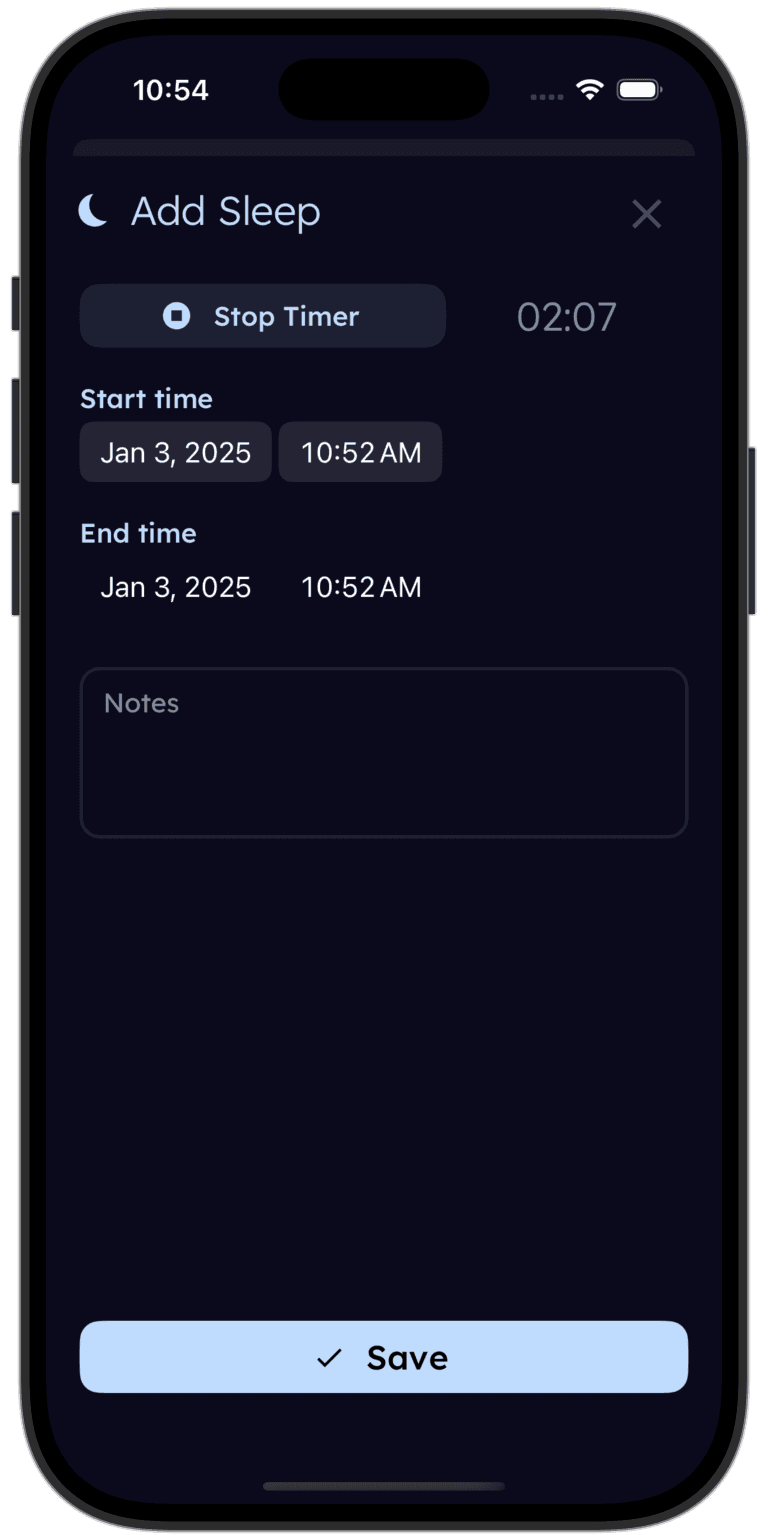
Tinylog tracks sleep so you can see what's working.
Log bedtime, wake-ups, nap length, and what your baby wore to sleep. Spot patterns over days and weeks. Bring the data to your next pediatrician visit.


Fit, Sizing, and Everyday Use
Both sleep sacks use a two-way zipper that opens from the bottom for diaper changes — a small detail that matters a lot at 3 AM.
Beekeeper sizing runs slightly generous. If your baby is between sizes, the smaller size usually fits better. The organic cotton does shrink slightly after the first wash, which can actually help dial in the fit.
Zen Sack sizing is true to size. The weighted insert adds a little bulk to the chest area, so it can feel slightly snugger there compared to an unweighted sleep sack. Make sure there is room for your baby's chest to expand comfortably.
For both: the sleep sack should be roomy enough in the hips and legs for your baby to move freely, but snug enough at the neck and armholes that your baby cannot slip inside. If the neck opening is too large, size down.
One more thing worth noting: both sleep sacks work well with standard pajamas underneath. A short-sleeve onesie is usually enough for rooms at 70–72 F. For cooler rooms (65–68 F), a footed sleeper underneath gives you extra warmth without needing a thicker sack.
| Product | Typical Price | Cost Per Month | Notes |
|---|---|---|---|
| Burt's Bees Beekeeper (Small, single pack) | $18–$24 | ~$3–$4/mo over 6 months | Frequently on sale at Target and Amazon |
| Burt's Bees Beekeeper (2-pack bundle) | $30–$40 | ~$5–$7/mo over 6 months | Best per-unit value; allows nightly rotation while washing |
| Nested Bean Zen Sack (Small, single) | $32–$40 | ~$5–$7/mo over 6 months | Higher upfront cost due to weighted insert technology |
| Nested Bean Zen Sack (2-pack bundle) | $55–$68 | ~$9–$11/mo over 6 months | Bundle discount available on Nested Bean website |
Price: A Real Difference Here
Unlike diapers or formula where the per-unit cost difference is pennies, there is a meaningful price gap between these two sleep sacks.
A single Beekeeper runs $18–$24. A single Zen Sack runs $32–$40. That is roughly $10–$15 more per sack. If you buy two for rotation (which most parents do), you are looking at $36–$48 for Beekeepers vs. $55–$68 for Zen Sacks.
Is the Zen Sack worth the premium? If the weighted insert helps your baby sleep better, the answer is an easy yes — better sleep for everyone in the house is worth far more than $15. If your baby sleeps fine without it, you are paying extra for a feature you do not need.
Money-saving tip: Buy one Zen Sack first to test whether your baby responds to the weight. If it works, buy a second for rotation. If not, return it and grab a Beekeeper two-pack instead.
Also worth mentioning: babies grow fast. You will likely need to size up at least once, so factor in the cost of replacing sleep sacks every few months regardless of which brand you choose.
Choose the Burt's Bees Beekeeper If
- Your baby sleeps well and just needs a safe, breathable wearable blanket
- Organic materials matter to you
- You want a simple, no-frills sleep sack at a budget-friendly price
- Your baby runs warm and you need a lightweight option
- You want lots of cute patterns and prints to choose from
- You are buying multiple sleep sacks for rotation and want to keep costs down
Choose the Nested Bean Zen Sack If
- Your baby has trouble settling to sleep without being held
- You are transitioning out of the swaddle and need something that still feels secure
- Your baby startles awake frequently and the gentle weight might help them stay settled
- You have tried a standard sleep sack and your baby still fights sleep
- You are willing to spend a bit more for a product designed around sleep-specific challenges
Where to Buy
If your baby sleeps well and you want a reliable, organic wearable blanket, the Burt's Bees Beekeeper (~$20 per sack) is hard to beat — soft organic cotton, tons of patterns, and a price that lets you stock up without guilt. Grab a two-pack so you always have a clean one ready.
If your baby needs a little extra help settling — especially during the swaddle transition — the Nested Bean Zen Sack (~$36 per sack) is worth trying. The gentle weighted insert genuinely helps some babies, and if yours is one of them, it will pay for itself in better sleep for the whole family.
Our honest recommendation: start with one of each if you are unsure. You will know within a few nights which one your baby prefers.
Tinylog earns a small commission on purchases made through these links, at no cost to you.
Looking for a discount? Try checking promo.new. It doesn't always find what you're looking for, but when it does, it works like a charm.
The Bottom Line
The Burt's Bees Beekeeper and the Nested Bean Zen Sack are both solid sleep sacks from reputable brands. The differences are real and worth understanding:
Burt's Bees Beekeeper wins on organic certification, price, pattern variety, and simplicity. It is the right choice for babies who sleep well and just need a safe wearable blanket.
Nested Bean Zen Sack wins on the swaddle transition, self-soothing support, and the weighted insert feature. It is the right choice for babies who struggle to settle without being held or who wake frequently from the startle reflex.
Neither is the "better" sleep sack in absolute terms. The better one is whichever matches what your baby actually needs right now. And if you are tracking sleep to figure out what is working, Tinylog makes it easy to log bedtime, wake-ups, and nap patterns so you can see trends over time.
Related Guides
- 4-Month Sleep Regression — What it is, how long it lasts, and what to do
- Baby Fighting Sleep — Why it happens and how to help
- 6-Month-Old Sleep Schedule — Naps, bedtime, and wake windows
- Early Morning Wakings — When your baby is up before the sun
Sources
- Burt's Bees Baby. "Beekeeper Wearable Blanket — Product Information." burtsbeesbaby.com, 2026.
- Nested Bean. "Zen Sack — Product Information and Research." nestedbean.com, 2026.
- American Academy of Pediatrics. "Safe Sleep: Back Is Best." healthychildren.org, 2024.
- Consumer Reports. "Best Baby Sleep Sacks and Wearable Blankets." consumerreports.org, 2026.
- Chen HY, et al. "Deep Pressure Stimulation and Its Effects on Physiological Arousal." Occupational Therapy International, 2019.
- CPSC. "Infant Sleep Products Safety Standards." cpsc.gov, 2025.
This guide is for informational purposes only. Sleep sack choice is a personal preference based on your baby's individual needs. Always follow safe sleep guidelines from the AAP. If your baby has persistent sleep difficulties, consult your pediatrician.
Frequently asked questions
- Is the Nested Bean Zen Sack safe for newborns?
- Yes. The Zen Sack meets all CPSC safety standards for wearable blankets. The weighted insert is lightly weighted (about 3–5 oz depending on size) and sewn into the chest area. The AAP considers wearable blankets safe for sleep. Always follow the manufacturer's size and weight guidelines.
- Is the Burt's Bees Beekeeper warm enough for winter?
- The standard Beekeeper is a lightweight, single-layer cotton sleep sack with a TOG rating around 0.5. It works well for room temperatures of 68–72 F. For colder rooms, Burt's Bees offers a quilted version with a higher TOG. You can also layer a onesie or footed pajamas underneath.
- Can I use the Zen Sack if my baby doesn't like swaddles?
- Yes. The Zen Sack is not a swaddle — baby's arms are free. It is specifically designed as a swaddle transition product. The gentle weight on the chest mimics the feeling of being held without restricting movement.
- How do I wash the Burt's Bees Beekeeper?
- Machine wash cold, tumble dry low. The organic cotton holds up well over repeated washes. Some parents notice slight shrinkage after the first wash, so consider sizing up if your baby is between sizes.
- Is the Zen Sack worth the higher price?
- It depends on your baby. If your baby struggles to settle without being held, the weighted center can genuinely help — and at that point the extra $10–$15 is well worth it. If your baby falls asleep easily and just needs a wearable blanket, the Beekeeper does the job at a lower cost.
- How long can my baby use each sleep sack?
- Both come in multiple sizes, typically covering newborn through 18–24 months. The Beekeeper runs from 0–9 months and 9–18 months depending on the style. The Zen Sack offers sizes from 0–6 months, 6–15 months, and 15–24 months. Switch sizes when your baby reaches the upper weight limit or the sack feels snug across the chest.