
Stabilize nights before tackling naps
Give night training at least 5-7 days to settle before starting nap training. Trying both simultaneously while severely sleep-deprived increases the chance of giving up on both. Get the wins at night first.
GUIDE
Published on ·Updated on
Nap training takes longer than night training because daytime sleep pressure is lower and each nap is a fresh attempt. Most sleep consultants recommend starting night training first, then adding naps after 1–2 weeks. Doing both at once can work for some families but is generally harder.
Sleep training naps is a different beast than sleep training nights. Understanding why helps you decide whether to tackle them together or separately.
Track each to see progress
“Essentially, you're getting your baby to realize that they can put themselves to sleep or self-soothe. It's a development skill that all babies need to learn.”
 Dr. Noah Schwartz, MD, Pediatrician, Cleveland Clinic
Sleep training at night works with biology. By bedtime, a baby has accumulated a full day of sleep pressure (adenosine buildup in the brain). Circadian rhythm is signaling that it's time for sleep. Melatonin is flowing. Everything in the baby's system is pushing toward sleep — the baby just needs to learn to get there without the old sleep associations.
During naps, the biological picture is different. Sleep pressure is lower, especially for the afternoon nap. Circadian alerting signals are active during the day, working against the drive to sleep. Environmental cues (light, household noise, activity) signal wakefulness, not sleep. A baby who can self-settle beautifully at 7 PM with a full tank of sleep pressure may genuinely struggle to do the same thing at 1 PM with half the drive.
This is why sleep consultants see night training succeed in 3-5 nights while nap training can take 1-2 weeks. It's not that the method is wrong — it's that the biological conditions are less favorable during the day. Our guide to sleep training methods covers the major approaches you can use for either context.
| Aspect | Nap + Night Training | Night Training Only |
|---|---|---|
| Speed of results | Slower overall — nap training takes longer than night training | Faster initial results — nights respond more quickly |
| Consistency | Same rules all day — clear expectations for baby | Different rules for naps vs. nights — some babies handle this fine, others get confused |
| Parent stress | More intense — training is happening all day long | Less overwhelming — you have breaks during the day |
| Sleep pressure working for you | High at night, low during day — mixed results | Only training when sleep pressure is highest — works in your favor |
| Nap quality during training | Naps may be short and fragmented while baby learns | Naps can stay as-is (contact naps, motion naps) while nights improve |
| Total time to full results | May reach the finish line faster since both are addressed at once | Takes longer overall — naps are tackled separately after nights |
This approach works best for families who want consistency and a shorter total timeline.
The intensity is the biggest concern — have a support plan if you go this route.
Most sleep consultants recommend this approach for its lower stress and faster early wins.
The mixed-message concern is real for some babies but most adapt to different contexts fine.
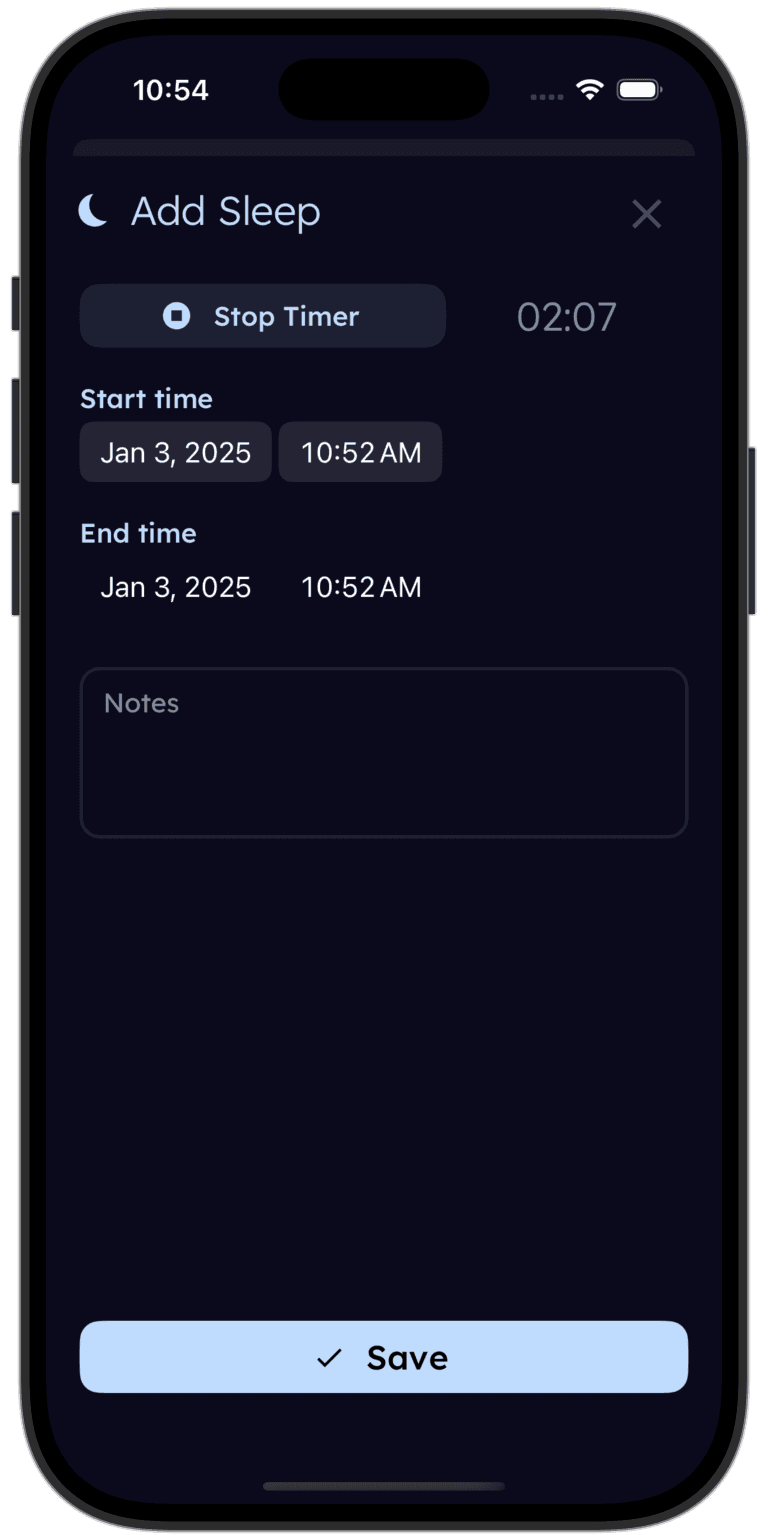
Log each nap and night sleep session in Tinylog. See which is improving, how long nap training takes compared to nights, and whether overtiredness is affecting either.


The approach most sleep consultants recommend looks like this: Week 1 — focus entirely on night sleep training. Use your chosen method (Ferber, chair method, extinction, whatever you're comfortable with) at bedtime and for night wakings. During the day, do whatever gets your baby a decent nap — contact naps, stroller, carrier, swing. Prioritize daytime sleep quantity over method.
Week 2 — once nights are stable (baby is falling asleep independently and wake-ups have decreased), start applying the same approach to the first nap of the day. Knowing your baby's age-appropriate wake windows helps you time that first nap correctly. Keep the afternoon nap flexible. Week 3 — extend the training to the afternoon nap.
This phased approach avoids the "everything is terrible all at once" feeling and gives both parent and baby early wins that build confidence for the harder nap training ahead. A solid bedtime routine also supports the process by giving baby clear cues that sleep is coming.
Give night training at least 5-7 days to settle before starting nap training. Trying both simultaneously while severely sleep-deprived increases the chance of giving up on both. Get the wins at night first.
Sleep pressure is highest for the first nap of the day. If you're starting nap training, begin with the morning nap and do whatever works for the afternoon nap. Once the morning nap is solid, address the afternoon nap.
Babies under 5-6 months often take short naps (30-45 minutes) regardless of training. This is developmental, not behavioral. If your baby wakes after one sleep cycle and seems happy, that may be all they needed for that nap.
This guide is for informational purposes only and is not a substitute for professional medical advice. Consult your pediatrician for guidance specific to your baby.