GUIDE

Nipple Shield vs. No Nipple Shield

Nipple shields are a legitimate breastfeeding tool — not a crutch. They can save breastfeeding relationships when latch is difficult, nipples are damaged, or baby is premature. The goal is usually to wean off when the underlying issue resolves, but some babies use them for months.

There's a lot of shame around nipple shield use. Here's the evidence on when they genuinely help and how to transition off when you're ready.

Track latch improvement over time

Log nursing sessions and latch quality

Nipple shields can decrease the transfer of milk from your breast, affecting your milk supply. We recommend pumping while using nipple shields and working closely with a lactation specialist to wean your baby off them as soon as possible if they are necessary for latching your baby.
Dr. Heidi SzugyeDr. Heidi Szugye, DO, IBCLC, Breastfeeding Medicine Specialist, Cleveland Clinic

The Shame Problem

There's a persistent belief in some breastfeeding communities that nipple shields are a last resort, a sign of failure, or something to be avoided at all costs. This is unhelpful and not supported by current evidence.

Nipple shields are a clinical tool. They were developed to solve specific problems — latch difficulty with flat or inverted nipples, protection for damaged nipples during healing, and assistance for premature babies who can't sustain a direct latch. If pain is the main issue, our painful breastfeeding guide covers all the possible causes and solutions. When used appropriately, shields can be the difference between a mother giving up on breastfeeding entirely and continuing to nurse.

A 2006 study by Chertok in the Journal of Human Lactation found that milk transfer with modern ultra-thin silicone nipple shields was not significantly different from direct nursing in most mother-baby pairs. Earlier concerns about reduced milk transfer were based on older, thicker rubber and latex shields that are no longer commonly used. The evidence supports that modern shields, properly fitted, allow adequate feeding for most babies.


Nursing With a Shield vs. Without
Latch assistance
With Nipple ShieldShield provides a firmer, more prominent target for babies struggling to latch on flat or inverted nipples
Without Nipple ShieldDirect latch requires baby to draw the nipple into proper position — may need practice and support
Nipple pain management
With Nipple ShieldBarrier reduces direct friction on damaged, cracked, or extremely sensitive nipples
Without Nipple ShieldDirect contact can be painful with damaged nipples — may require healing time before comfortable nursing
Milk transfer
With Nipple ShieldModern thin shields allow adequate milk transfer for most babies; older thick shields were more problematic
Without Nipple ShieldDirect nursing typically allows the most efficient milk transfer and breast compression
Convenience
With Nipple ShieldRequires cleaning, carrying extras, and applying before each feed — adds a step to every nursing session
Without Nipple ShieldNo equipment needed — nurse anytime, anywhere without preparation
Premature babies
With Nipple ShieldCan help preterm babies who lack the suck strength for a direct latch
Without Nipple ShieldPremature babies may struggle with direct latch until they develop stronger oral muscles
Supply stimulation
With Nipple ShieldAdequate with proper fit and effective nursing; monitor weight gain as confirmation
Without Nipple ShieldDirect stimulation of the nipple/areola sends the strongest signals for milk production
Long-term use
With Nipple ShieldSome babies use shields for weeks or months with good outcomes — it's a tool, not a failure
Without Nipple ShieldThe eventual goal for most families, but the timeline varies widely
Most families who use a shield eventually wean off it. The timeline varies from days to months — all are normal.

Nipple Shield Advantages

  • Can save a breastfeeding relationship that would otherwise end due to latch failure or severe pain
  • Provides a firmer target for babies with flat or inverted nipples to latch onto
  • Protects damaged nipples while they heal, allowing nursing to continue during recovery
  • Helps premature or tongue-tied babies who lack the oral motor skills for a direct latch
  • Buys time to work on underlying latch issues with a lactation consultant

A nipple shield that saves breastfeeding is always better than no breastfeeding at all.

Nipple Shield Challenges

  • Adds a step to every feed — cleaning, carrying, applying, which can feel burdensome
  • Incorrect sizing can reduce milk transfer and worsen latch problems
  • Baby may become dependent on the shield, making weaning challenging
  • Can mask underlying issues (tongue tie, positioning problems) that should be addressed

These are real trade-offs, not reasons to avoid shields when they're needed.

Direct Nursing Advantages

  • Most efficient milk transfer — baby's mouth directly compresses the areola
  • Strongest stimulation for milk production — direct skin contact triggers optimal hormonal response
  • No equipment to clean, carry, or apply — simplest approach for every feeding
  • Better skin-to-skin contact promotes bonding and oxytocin release
  • No risk of dependency or need to wean off a tool later

Direct nursing is the eventual goal for most families, but the path there isn't always straight.

Direct Nursing Challenges

  • May not be immediately possible for all mother-baby pairs — some need assistance first
  • Flat or inverted nipples can make direct latch genuinely difficult without intervention
  • Severe nipple damage may make direct nursing too painful to sustain
  • Premature babies may lack the suck strength for effective direct nursing initially

These challenges are often temporary and resolvable with professional support.

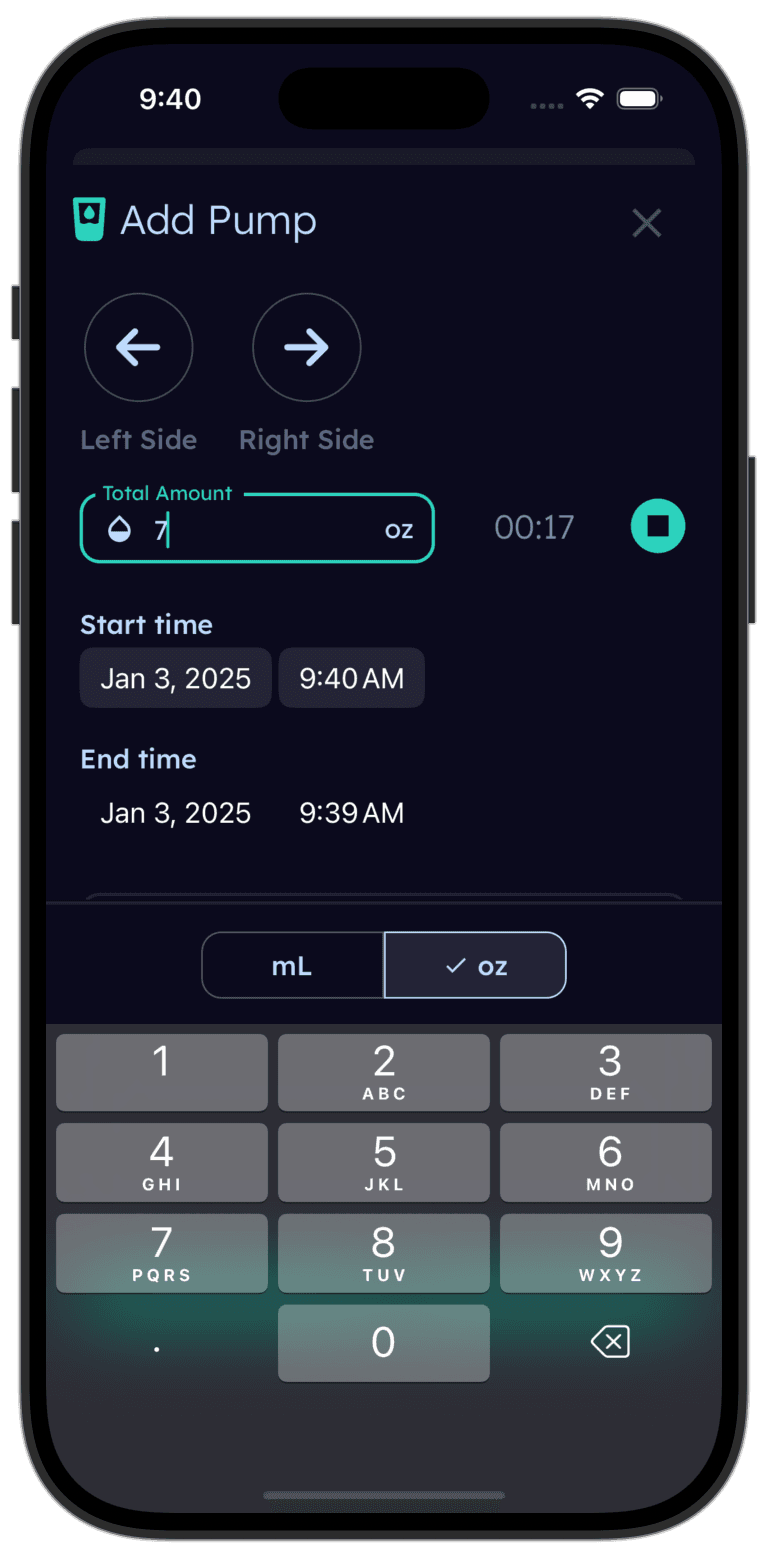
Tinylog app showing breastfeeding session log with nursing times and notes

Tracking nursing sessions helps you see latch progress over days and weeks.

Tinylog logs each nursing session — duration, side, and notes about latch quality. Over time, you'll see the pattern: longer feeds, less pain, and eventually, shield-free sessions.

Download on the App StoreGet It On Google Play

When a Nipple Shield Makes Sense

The clinical situations where nipple shields are most appropriate include flat or inverted nipples where the baby cannot draw the nipple into a proper latch position, severely cracked or damaged nipples where direct nursing is too painful to sustain, premature babies (typically born before 34 weeks) who lack the oral motor strength for direct latch, babies with tongue tie or lip tie who are awaiting evaluation or revision, and situations where the alternative is stopping breastfeeding entirely.

In each of these cases, the shield is solving a specific problem. The question isn't whether to use a shield — it's whether you're also addressing the underlying issue. A tongue tie should be evaluated. Positioning should be assessed. Nipple damage should heal. The shield buys time for these things to happen.

Weaning Off the Shield: When and How

There's no mandatory timeline. Some babies use a shield for a few days while nipples heal. Others use one for weeks while working on latch with a lactation consultant. Some nurse with a shield for months with perfectly good outcomes. If baby is gaining weight and nursing effectively, the shield is not a problem that needs urgent solving.

When you're ready to try weaning, common approaches include starting the feed with the shield and removing it mid-feed when baby is calm and the letdown has started, trying shield-free nursing when baby is drowsy (sleepy babies often latch more easily), offering skin-to-skin time before feeds to encourage direct latch instinct, and gradually reducing shield use to one fewer feeding per day.

If weaning causes stress for you or baby, pause and try again in a week. Forcing the transition isn't worth disrupting an otherwise working breastfeeding relationship.

Tips That Apply Either Way

See a lactation consultant before assuming you need a shield

Many latch problems that seem like they need a nipple shield can be resolved with positioning adjustments, proper support, or tongue-tie assessment. A board-certified lactation consultant (IBCLC) can evaluate whether a shield is the right tool or whether addressing the root cause would be more effective. That said, if you need a shield right now to keep nursing, use it — you can work on the root cause in parallel.

Get the right size — this matters more than the brand

A nipple shield that's too small will compress your nipple painfully. One that's too large won't create proper suction. Measure your nipple diameter (the base, not the tip) and choose accordingly. Most brands offer 16mm, 20mm, and 24mm. If between sizes, go slightly larger. Your lactation consultant can confirm the fit.

Monitor output regardless of method

Whether nursing with or without a shield, the metrics that matter are the same: adequate wet diapers (6+ per day after day 5), regular dirty diapers, appropriate weight gain, and baby seeming satisfied after feeds. If these are on track, the feeding method is working.

Related Guides

Sources

  • Chertok, I. R. (2009). Reexamination of ultra-thin nipple shield use, infant growth and maternal satisfaction. Journal of Clinical Nursing, 18(21), 2949-2955.
  • McKechnie, A. C., & Eglash, A. (2010). Nipple shields: A review of the literature. Breastfeeding Medicine, 5(6), 309-314.
  • Meier, P. P., et al. (2000). Nipple shields for preterm infants: effect on milk transfer and duration of breastfeeding. Journal of Human Lactation, 16(2), 106-114.
  • Eglash, A., et al. (2010). ABM Clinical Protocol #8: Human Milk Storage Information for Home Use. Academy of Breastfeeding Medicine.

This guide is for informational purposes only and is not a substitute for professional medical advice. Consult your pediatrician for guidance specific to your baby.

Get this comparison in your inbox.
Keep this guide handy during your breastfeeding journey.
Tracking nursing sessions helps you see latch improvement over time.
Download Tinylog — log feeds, note which side, and track your progress toward shield-free nursing.
Download on the App StoreGet It On Google Play