GUIDE

Low Milk Supply

Most parents who think they have low supply actually don't. But some genuinely do — and the difference matters, because the solutions are completely different.

This is the most anxiety-producing topic in breastfeeding, and it's surrounded by more misinformation than almost any other parenting subject. Here's what the evidence actually says.

The Most Misunderstood Topic in Breastfeeding

Low milk supply is the number one reason parents stop breastfeeding before they planned to. And here's the painful irony: most parents who believe they have low supply actually don't. Studies consistently show that only about 5-15% of breastfeeding parents have true physiological low supply (insufficient glandular tissue, hormonal factors, etc.). The rest have perceived low supply — meaning their supply is adequate, but normal infant behavior (frequent feeding, fussiness, growth spurts) has been misinterpreted as signs of insufficient milk.

This matters because the solutions are different. If your supply is genuinely low, you need interventions like increased milk removal, latch correction, medical evaluation, and possibly supplementation. If your supply is adequate but you think it's low, the most helpful intervention is education and reassurance — not fenugreek capsules and marathon pumping sessions that add stress without benefit.

So the first question isn't "how do I increase my supply?" It's "is my supply actually low?"

Perceived Low Supply vs. Actual Low Supply
Baby feeds every 1-2 hours
What's Likely Going OnNormal breastfed infant behavior. Breast milk digests in ~90 minutes.
Is It an Actual Problem?No
Baby seems hungry after nursing
What's Likely Going OnCould be growth spurt, cluster feeding, comfort sucking, or high suck need.
Is It an Actual Problem?Usually no
Breasts feel soft, not full
What's Likely Going OnSupply regulation — your body stops overproducing. This is progress, not a problem.
Is It an Actual Problem?No
Only pumps 1-2 oz per session
What's Likely Going OnPumps are less efficient than babies. This output is normal for many parents.
Is It an Actual Problem?No
Baby takes a bottle after nursing
What's Likely Going OnBabies will often accept a bottle even when full — the flow is easy and sucking is soothing.
Is It an Actual Problem?Usually no
Less than 6 wet diapers per day after week 1
What's Likely Going OnThis may indicate insufficient intake.
Is It an Actual Problem?Yes — see pediatrician
Poor weight gain (less than 5 oz/week in first 3 months)
What's Likely Going OnThis needs evaluation. May be supply, may be transfer issue.
Is It an Actual Problem?Yes — see pediatrician + IBCLC
Baby is lethargic and hard to wake for feeds
What's Likely Going OnThis can indicate dehydration or insufficient intake.
Is It an Actual Problem?Yes — see pediatrician urgently
The bottom three rows are the ones that need attention. Everything above is usually normal breastfeeding behavior that gets mislabeled as a supply problem.

Real Causes of Low Milk Supply

When supply is genuinely low, there's always a cause. Identifying the cause determines the solution.

Insufficient milk removal (most common)

Your body makes milk based on demand. If baby isn't nursing frequently enough, isn't latching deeply enough, or isn't effectively transferring milk (due to tongue tie, poor latch, or sleepiness), your body gets the signal to make less. This is the most common — and most fixable — cause of low supply.

Delayed lactogenesis (late milk)

Risk factors include first birth, C-section, diabetes, obesity, PCOS, retained placenta, and significant postpartum hemorrhage. Nommsen-Rivers et al. identified these factors in a 2010 study. Delayed onset doesn't mean no supply — it means the ramp-up takes longer, and early support is critical.

Hormonal factors

Thyroid disorders (both hypo and hyper), PCOS, pituitary issues, and hormonal birth control (especially estrogen-containing methods started too early) can affect supply. If you have a known hormonal condition, mention it to your IBCLC — they can factor it into your care plan.

Insufficient glandular tissue (IGT/hypoplasia)

A small percentage of parents have breast tissue that didn't fully develop during puberty. Signs include widely spaced breasts, tubular breast shape, minimal changes during pregnancy, and lack of engorgement after birth. This is one of the few causes where supply truly cannot match full demand — but partial breastfeeding is often still possible.

Medications

Pseudoephedrine (Sudafed) can significantly reduce supply — even a single dose. Certain hormonal birth control methods, especially those containing estrogen, can lower supply if started before 6 weeks postpartum. Always check LactMed (NIH's database) or consult your provider before taking any medication while breastfeeding.

Breast surgery

Prior breast reduction has the highest impact on supply because it often involves cutting milk ducts and removing glandular tissue. Augmentation is less likely to affect supply but can depending on the incision location. If you've had breast surgery, work with an IBCLC from early on.

What Actually Helps

Increase milk removal frequency

Nurse more often. Add pumping sessions after nursing. If baby isn't transferring well, pump to maintain stimulation while you work on latch. The single most evidence-based intervention for low supply is removing more milk, more often.

Fix the latch

A shallow latch means inefficient transfer — baby works hard but doesn't get much. Improving latch depth immediately improves transfer. See our latch guide for step-by-step help, and consider an IBCLC visit for hands-on correction.

Evaluate for tongue tie

If latch is consistently shallow despite repositioning, tongue tie may be limiting baby's ability to latch deeply. This is worth evaluating — but be aware that tongue tie diagnosis has become very common, and the evidence on revision outcomes is more mixed than many providers present. See our tongue tie guide for a balanced look.

Breast compression during feeds

Gently compressing your breast during nursing (when baby pauses between active sucking) can help baby get more milk per feed. It's like squeezing a ketchup bottle — you're helping the flow. This is especially helpful for sleepy babies or those with weak sucks.

Power pumping (with realistic expectations)

Power pumping — pumping for 20 min, rest 10, pump 10, rest 10, pump 10 — mimics cluster feeding to signal your body to increase production. Evidence is limited but anecdotal reports are positive. It's worth trying for a few days, but it's not a miracle cure.

Address underlying medical issues

If you have a thyroid disorder, have it checked and treated. If you have PCOS, discuss supply support with your endocrinologist and IBCLC. If you had a retained placenta, supply often improves once it's resolved. Sometimes the fix isn't more pumping — it's treating the medical condition.

For a detailed look at evidence-based supply interventions, see our how to increase milk supply guide. For pumping-specific strategies, see power pumping.

What Doesn't Help (Despite What the Internet Says)

Galactagogues (fenugreek, blessed thistle, lactation cookies)

The Cochrane review on galactagogues found limited evidence for most of them. Fenugreek is the most studied and MAY help some parents — but it can also decrease supply in others, and it interferes with thyroid medication. Lactation cookies are essentially oatmeal cookies with a markup. They're fine to eat, but don't count on them to fix a supply issue.

Drinking massive amounts of water

Staying hydrated is important, but overhydrating doesn't increase supply. Research shows no benefit from forcing fluids beyond thirst. Drink when you're thirsty. That's it.

Specific foods (oatmeal, brewer's yeast, dark beer)

There's no clinical evidence that any specific food reliably increases milk supply. These recommendations are cultural and anecdotal. They're harmless, but if your supply is genuinely low, food isn't the intervention that's going to fix it.

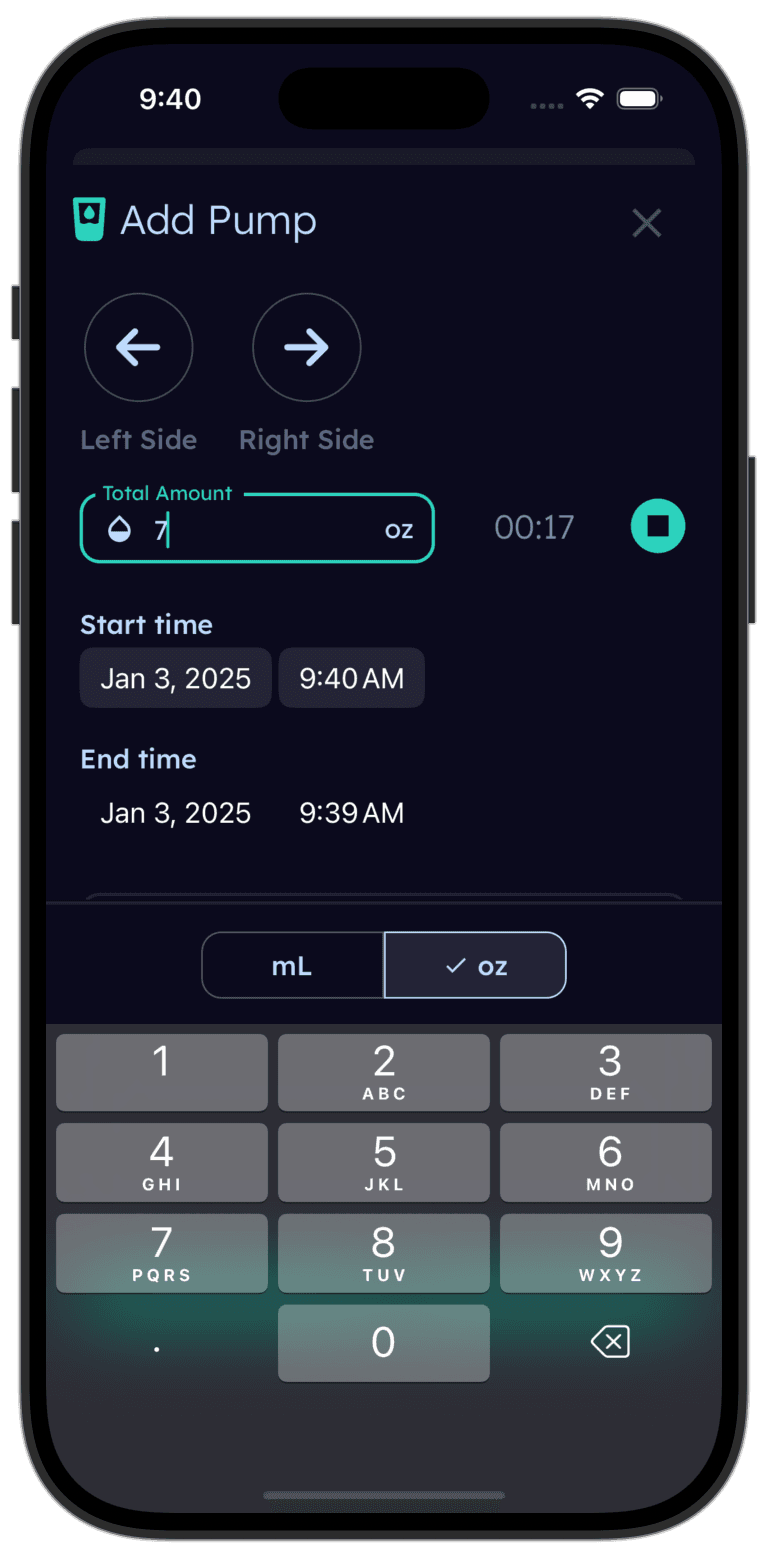
tinylog feeding and diaper tracker with daily summaries

The best way to answer 'is my supply actually low?' isn't pump output — it's tracking feeds, diapers, and weight over time. Data beats anxiety.

tinylog tracks all three in one place. Bring your feed log and diaper counts to your IBCLC appointment and get answers based on what's actually happening, not what you're afraid is happening.

Download on the App StoreGet It On Google Play

What the Evidence Actually Says

"If your baby is always hungry, you don't have enough milk." The single most persistent myth in breastfeeding. Babies feed frequently because breast milk digests quickly, because sucking is comforting, and because demand drives supply. Frequent feeding is the mechanism by which breastfeeding works, not evidence that it's failing. (Kent et al., 2006)

"Galactagogues are the answer." A 2012 Cochrane review found insufficient evidence to recommend any galactagogue for increasing milk supply. Some may have modest effects, but none are first-line interventions. Increased milk removal is consistently more effective than any supplement. Fenugreek specifically has been shown to decrease supply in some individuals and should be used with caution.

"True low supply is rare." It's less common than perceived low supply, but "rare" understates it for the 5-15% of parents who genuinely experience it. Risk factors identified by Nommsen-Rivers et al. (2010) include first birth, C-section delivery, pre-pregnancy BMI >27, PCOS, diabetes, and age >30. If you have multiple risk factors, monitoring supply closely in the first week is especially important.

"Once your supply drops, you can't get it back." Partially true, partially false. Supply that's decreased due to insufficient removal can often be rebuilt by increasing demand. Supply that's limited by glandular tissue or hormonal factors may not respond to increased demand. The window for supply building is widest in the first 12 weeks — the sooner you address a genuine supply issue, the better the outcome.


When It's Actually Fine to Supplement

Here's something that gets lost in supply discussions: supplementing with formula is not a defeat. If your baby needs more than your breasts are currently producing, formula ensures they get adequate nutrition while you work on supply (if that's what you want) or transition to combo feeding (if that's what works for your family).

The Academy of Breastfeeding Medicine's supplementation protocol is clear: when indicated, supplementation should be provided promptly, not delayed in the hopes that supply will magically catch up while baby loses weight.

For a practical guide on supplementing, see our supplementing guide. For making combo feeding work long-term, see our combination feeding guide.

When to Get Help and What Kind

See an IBCLC if: you suspect supply issues, want a weighted feed to measure transfer, need help with latch or pump optimization, or want a comprehensive supply assessment. An IBCLC is the gold standard for breastfeeding supply concerns.

See your pediatrician if: baby's weight gain is slow, diaper output is low, or baby seems lethargic. Weight tracking is the pediatrician's domain, and they'll work with your IBCLC on a care plan.

See your OB/GYN or endocrinologist if: you have a thyroid disorder, PCOS, or other hormonal condition that may be affecting supply. Sometimes the most effective supply intervention is treating the underlying medical issue.

Don't wait. Supply issues are most responsive to intervention in the first 12 weeks. After that, the window for significant supply increases narrows. Early help = better outcomes.

Related Guides

Sources

  • Kent, J. C., et al. (2006). Volume and frequency of breastfeedings and fat content of breast milk throughout the day. Pediatrics, 117(3).
  • Nommsen-Rivers, L. A., et al. (2010). Delayed onset of lactogenesis among first-time mothers is related to maternal obesity and factors associated with ineffective breastfeeding. American Journal of Clinical Nutrition, 92(3).
  • Foong, S. C., et al. (2020). Oral galactagogues for increasing breast-milk production in mothers of non-hospitalised term infants. Cochrane Database of Systematic Reviews.
  • Academy of Breastfeeding Medicine. (2017). ABM Clinical Protocol #3: Supplementary Feedings in the Healthy Term Breastfed Neonate.
  • American Academy of Pediatrics (AAP). (2022). Breastfeeding and the Use of Human Milk. Pediatrics, 150(1).
  • Huggins, K. (2017). The Nursing Mother's Companion. 7th edition.

Medical Disclaimer

This guide is for informational purposes only and is not a substitute for professional medical advice. If you're experiencing breastfeeding difficulties, consider consulting an IBCLC (International Board Certified Lactation Consultant) or your pediatrician.

Get this supply guide in your inbox.
We'll email you this reference — including the real vs. perceived supply checklist — for the next time anxiety hits.
Tracking feeds and diapers is the best way to know if supply is really an issue.
Download tinylog free — see the real picture instead of guessing.
Download on the App StoreGet It On Google Play