GUIDE

Oversupply

Oversupply is a real condition, not a humblebrag. It causes pain, feeding difficulties, and frustration — and it needs management, not just gratitude.

If you're producing significantly more milk than your baby needs, dealing with constant engorgement, or watching your baby choke on a firehose letdown, this guide is for you.

The Problem Nobody Sympathizes With

Here's the awkward thing about oversupply: when you tell another breastfeeding parent you make too much milk, they often react like you just complained about being too attractive. "I wish I had that problem" is a response you'll hear more than once.

But oversupply is genuinely miserable. Constant engorgement hurts. Your baby is choking and crying at the breast because the flow is like a firehose. You're going through breast pads like tissues during cold season. You're getting recurrent clogged ducts or mastitis because milk sits in overfull breasts. And the feeding difficulties — fussiness, green stools, gas — can make you doubt whether breastfeeding is even working.

It is working. It's just working too hard. And the fix isn't what you'd expect — it's not about removing more milk (that makes it worse). It's about strategically leaving milk in place to teach your body to make less.

Signs of Oversupply

  • Breasts are still very full or engorged even right after nursing
  • Forceful letdown that makes baby choke, gag, or pull off the breast
  • Baby seems fussy, gassy, or colicky despite adequate intake
  • Green, frothy, or explosive stools (from lactose overload / foremilk imbalance)
  • Constant leaking between feeds — soaking through breast pads regularly
  • Recurrent clogged ducts or mastitis
  • Baby gains weight very rapidly — well above the 97th percentile
  • Baby finishes feeds very quickly but seems uncomfortable afterward

A few of these in the first 2-3 weeks can be normal — your supply is still calibrating. If they persist beyond 4-6 weeks or are causing significant distress, it's likely oversupply.

How to Manage Oversupply

Block feeding

Feed from one breast per feeding block (2-3 hours), then switch to the other. If baby wants to eat again within the block window, offer the same breast. This allows the 'resting' breast to receive the fullness signal that tells your body to slow down. Start with 2-3 hour blocks and extend to 4-6 hours if needed.

Don't pump to empty (pump to comfort only)

If you're engorged, hand express or pump JUST enough to take the edge off — 1-2 minutes maximum. Full emptying tells your body to refill completely. The goal is to gradually teach your body to make less by leaving more in the breast.

Manage forceful letdown positions

Try laid-back nursing or side-lying — positions where gravity slows the flow instead of accelerating it. If letdown hits forcefully, unlatch baby briefly, catch the spray in a towel or milk collector, and relatch once the flow slows.

Cold compresses after feeds

Cold packs or chilled cabbage leaves on the breasts after feeding can help reduce inflammation and gently signal your body to slow production. Apply for 15-20 minutes after feeds.

Avoid unnecessary pumping

Every pump session tells your body to make more milk. If you're pumping out of habit, to 'relieve' fullness, or to build a stash — you're maintaining or increasing the oversupply. Cut back to pumping only when you'll miss a feed (work, etc.).

Give it time (6-12 weeks)

Supply regulation is a process. In the first 6-12 weeks, your body is calibrating to baby's actual demand. Some oversupply resolves naturally as this calibration happens. If it doesn't resolve by 12 weeks, more active management (or consultation) is warranted.

The Foremilk/Hindmilk Situation

If your baby has green, frothy stools and seems gassy despite good weight gain, the foremilk/hindmilk dynamic is probably in play. Here's what's actually happening:

The problem isn't two different 'types' of milk

Foremilk and hindmilk aren't separate fluids. It's one continuous stream where fat content increases as the breast empties. When a baby feeds from an overly full breast and switches sides before the breast is well-drained, they get more of the lower-fat milk. The high volume plus lower fat can cause rapid gut transit, excess lactose in the bowel, and the green frothy stools that parents (and some providers) mistake for other issues.

Block feeding fixes this

By staying on one breast for multiple feeds, baby drains that breast more thoroughly — getting to the higher-fat milk. The other breast gets the fullness signal. This is usually the most effective single intervention for oversupply-related fussiness.

tinylog nursing tracker showing left and right breast session timing

Block feeding means tracking which side you last fed on — and when. Guessing at 3 AM leads to lopsided supply and more problems.

tinylog logs which breast you fed on and when, so you always know which side is 'resting.' Simple, but it makes block feeding actually manageable.

Download on the App StoreGet It On Google Play

What the Evidence Actually Says

"Oversupply is just engorgement — it goes away." Not always. Engorgement in the first week is normal. Persistent oversupply beyond 6-12 weeks — especially with recurrent mastitis, forceful letdown, and feeding difficulties — is a clinical condition that benefits from management. The Academy of Breastfeeding Medicine recognizes hyperlactation as a distinct issue.

"Pump and donate the excess." This well-meaning advice can actually perpetuate the problem. Every pump session maintains the signal to produce at high volume. If you want to donate, that's wonderful — but know that pumping to donate while trying to reduce oversupply works against your management goals. You may need to choose one or the other.

"Sage tea and peppermint reduce supply." There's minimal clinical evidence for these. Some parents report modest effects. They're generally safe to try, but don't rely on them as your primary intervention. Block feeding is more effective and better studied.

"Just feed from both sides every time." This is standard advice for building supply — and it's the opposite of what you want. For oversupply, one breast per feed (or per block) is the intervention. Feeding from both sides at every session maintains high production in both breasts.


When to Get Help and What Kind

See an IBCLC if: oversupply is causing feeding difficulties, baby is very gassy or fussy, you're getting recurrent clogged ducts, or you need help setting up a block feeding schedule that works. An IBCLC can tailor the management plan to your specific situation.

See your OB/GYN or healthcare provider if: you develop mastitis (fever, flu symptoms, red hot area on breast). Mastitis may require antibiotics, and recurrent mastitis from oversupply may warrant more aggressive supply management.

See your pediatrician if: baby's weight gain is extremely rapid (>14 oz per week consistently) or baby's stools and fussiness concern you. They can rule out other causes and confirm that oversupply management is the right approach.

Sometimes oversupply pain is related to positioning — our breastfeeding positions guide can help. If you're worried about the opposite problem in the future, see our guide on increasing milk supply.

Related Guides

Sources

  • Academy of Breastfeeding Medicine. (2020). ABM Clinical Protocol #4: Mastitis. Breastfeeding Medicine.
  • Kent, J. C., et al. (2006). Volume and frequency of breastfeedings and fat content of breast milk throughout the day. Pediatrics, 117(3).
  • van Veldhuizen-Staas, C. G. A. (2007). Overabundant milk supply: An alternative way to intervene by full drainage and block feeding. International Breastfeeding Journal, 2(1).
  • American Academy of Pediatrics (AAP). (2022). Breastfeeding and the Use of Human Milk. Pediatrics, 150(1).
  • Woolridge, M. W., & Fisher, C. (1988). Colic, "overfeeding," and symptoms of lactose malabsorption in the breast-fed baby. Lancet, 332(8605).

Medical Disclaimer

This guide is for informational purposes only and is not a substitute for professional medical advice. If you're experiencing breastfeeding difficulties, consider consulting an IBCLC (International Board Certified Lactation Consultant) or your pediatrician.

Get this oversupply guide in your inbox.
We'll send you this reference for managing oversupply without tanking your supply in the other direction.
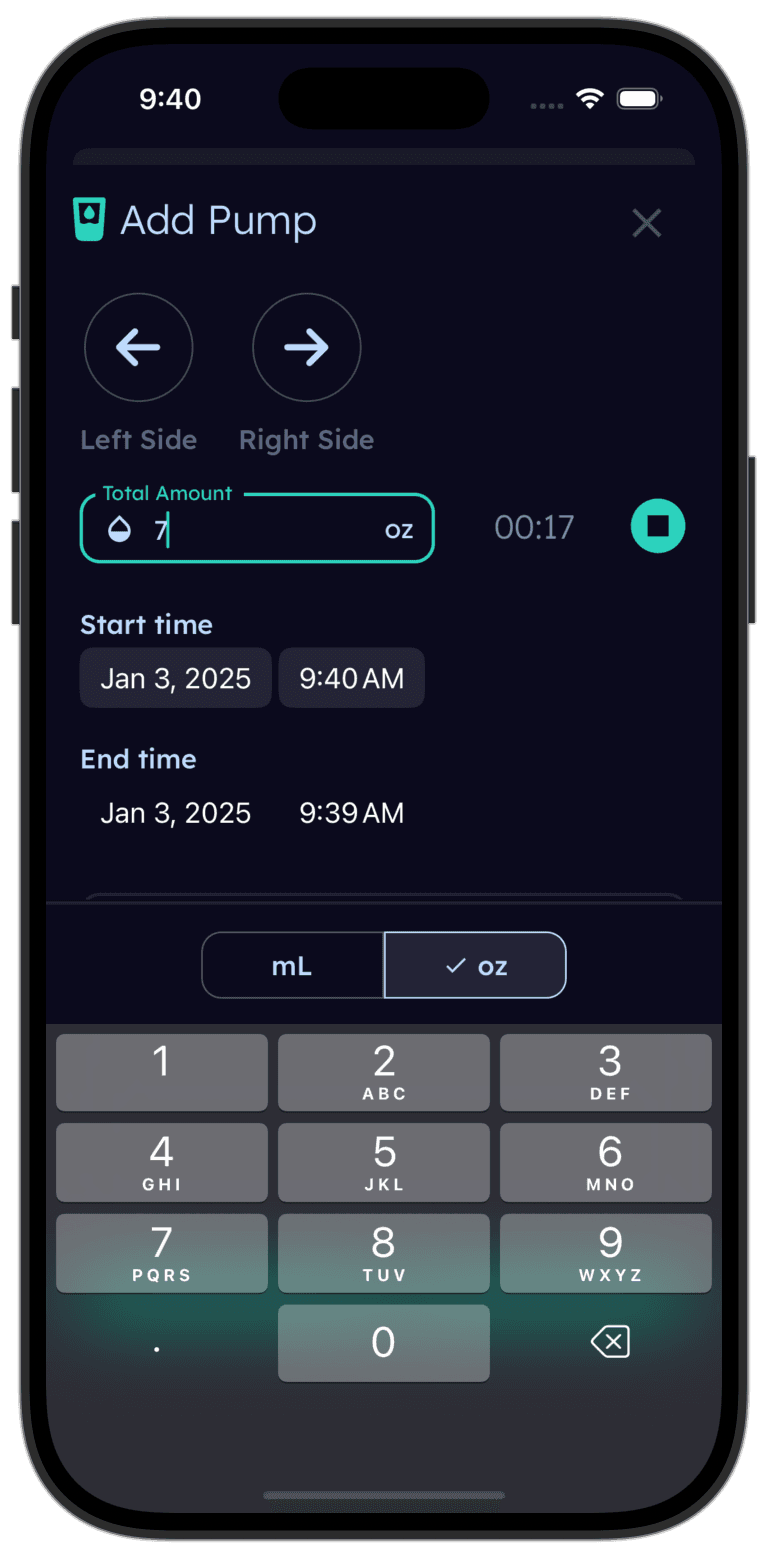
Track output to find the right balance.
Download tinylog free — log pump sessions and feeds to see where your supply levels off.
Download on the App StoreGet It On Google Play