GUIDE

Similac Alimentum vs. Enfamil Nutramigen

Both are extensively hydrolyzed casein-based formulas for babies with cow's milk protein allergy (CMPA). Nutramigen includes the probiotic LGG. Alimentum does not. Both work for most CMPA babies.

If your pediatrician has recommended a hypoallergenic formula, you're almost certainly looking at one of these two. They are the most widely prescribed extensively hydrolyzed formulas in the US. Here's how they actually compare — and what to know before you buy your first very expensive can.

Understanding Hypoallergenic Formula

"Hypoallergenic" in the context of infant formula has a specific meaning. It refers to formulas where the milk protein has been extensively broken down (hydrolyzed) into fragments small enough that the baby's immune system is unlikely to recognize them as cow's milk protein and mount an allergic response.

Both Alimentum and Nutramigen achieve this by taking casein — one of the two main proteins in cow's milk — and breaking it down into very small peptides. The resulting protein is functionally different from intact cow's milk protein. About 90% of babies with confirmed CMPA tolerate extensively hydrolyzed formulas successfully.

For the roughly 10% of CMPA babies who react even to extensively hydrolyzed formula, the next step is an amino acid-based formula (like EleCare or PurAmino), where the protein is broken down to its most basic building blocks. These are even more expensive and typically require a prescription or medical documentation.

Similac Alimentum vs. Enfamil Nutramigen: Side-by-Side
Manufacturer
AlimentumAbbott (Similac)
NutramigenReckitt (Enfamil)
NotesThe two largest US formula manufacturers
Type
AlimentumExtensively hydrolyzed casein-based
NutramigenExtensively hydrolyzed casein-based
NotesSame fundamental approach — broken-down milk protein
Protein source
AlimentumCasein hydrolysate (from cow's milk, broken into small peptides)
NutramigenCasein hydrolysate (from cow's milk, broken into small peptides)
NotesBoth use casein as the protein base, extensively broken down
Carbohydrate source
AlimentumSucrose, modified tapioca starch
NutramigenCorn syrup solids, modified corn starch
NotesDifferent sugar sources — neither uses lactose
Fat sources
AlimentumSafflower oil, MCT oil, soy oil
NutramigenPalm olein, coconut, soy, high oleic sunflower oils
NotesAlimentum includes MCT oil, which is easier to absorb
DHA / ARA
AlimentumYes
NutramigenYes
NotesBoth include DHA and ARA
Probiotics
AlimentumNo
NutramigenYes — LGG (Lactobacillus rhamnosus GG)
NotesKey differentiator — LGG may accelerate tolerance development
Prebiotics
AlimentumNo
NutramigenNo
NotesNeither includes prebiotics
MCT oil
AlimentumYes (33% of fat blend)
NutramigenNo
NotesMCT oil is more easily absorbed — may benefit babies with fat malabsorption
Lactose-free
AlimentumYes
NutramigenYes
NotesBoth remove lactose, which can worsen GI symptoms in CMPA babies
Available forms
AlimentumPowder, ready-to-feed
NutramigenPowder, ready-to-feed, concentrate
NotesNutramigen has one additional form option
Based on current powder formulations. Ready-to-feed versions may differ slightly. Always check the product label for the specific product you're purchasing.

The Probiotic Difference: Nutramigen's LGG

The most significant ingredient difference between these two formulas is Nutramigen's inclusion of LGG (Lactobacillus rhamnosus GG), a probiotic strain. Here's what we know about it.

What LGG is

LGG (Lactobacillus rhamnosus GG) is one of the most studied probiotic strains in the world. In Nutramigen, it's included at a level intended to support the development of tolerance to cow's milk protein over time. The idea is that LGG helps modulate the immune response in the gut, potentially helping the baby 'outgrow' CMPA faster.

What the research shows

A 2017 study published in the Journal of Allergy and Clinical Immunology found that infants with CMPA who received extensively hydrolyzed casein formula with LGG had higher rates of cow's milk tolerance at 12 months compared to those who received formula without LGG. However, the study was industry-funded (by Mead Johnson, Nutramigen's manufacturer), and results have not been consistently replicated across all studies.

What the AAP says

The AAP does not currently recommend one extensively hydrolyzed formula over another based on probiotic content. Both Alimentum and Nutramigen are considered appropriate first-line options for CMPA. The probiotic component of Nutramigen is an interesting area of research, but it hasn't changed the official recommendations.

Cost Comparison: Hypoallergenic vs. Standard Formula
Price per can (powder, ~12.1 oz)
Alimentum$38-44
Nutramigen$40-47
Standard Formula$18-25 (store brand)
Price per can (ready-to-feed, 32 oz)
Alimentum$10-12
Nutramigen$10-13
Standard Formula$6-8
Estimated monthly cost (powder)
Alimentum$190-264
Nutramigen$200-282
Standard Formula$72-100
Estimated yearly cost (powder)
Alimentum$2,280-3,168
Nutramigen$2,400-3,384
Standard Formula$864-1,200
Premium over standard formula (yearly)
Alimentum$1,416-1,968
Nutramigen$1,536-2,184
Standard Formula
Hypoallergenic formula costs 2-3x more than standard formula. Some insurance plans, WIC, and manufacturer programs can help offset costs. Ask your pediatrician about options.

The Cost Reality

There's no way around it: hypoallergenic formula is expensive. At $38-47 per can of powder, you're looking at $2,000-3,400 per year — roughly double to triple the cost of standard formula.

A few things that can help. WIC covers hypoallergenic formula when prescribed for a documented medical need. Some insurance plans will cover or reimburse part of the cost with a letter of medical necessity from your pediatrician. Both Abbott and Reckitt have manufacturer assistance programs and coupons. Amazon Subscribe & Save and warehouse clubs (Costco, Sam's Club) sometimes offer slight discounts on bulk purchases.

If cost is a barrier, talk to your pediatrician about documentation for insurance or WIC, and check the manufacturer websites for coupons. This is a medical need, not a luxury purchase, and financial assistance options exist.

tinylog feeding and symptom tracker for baby

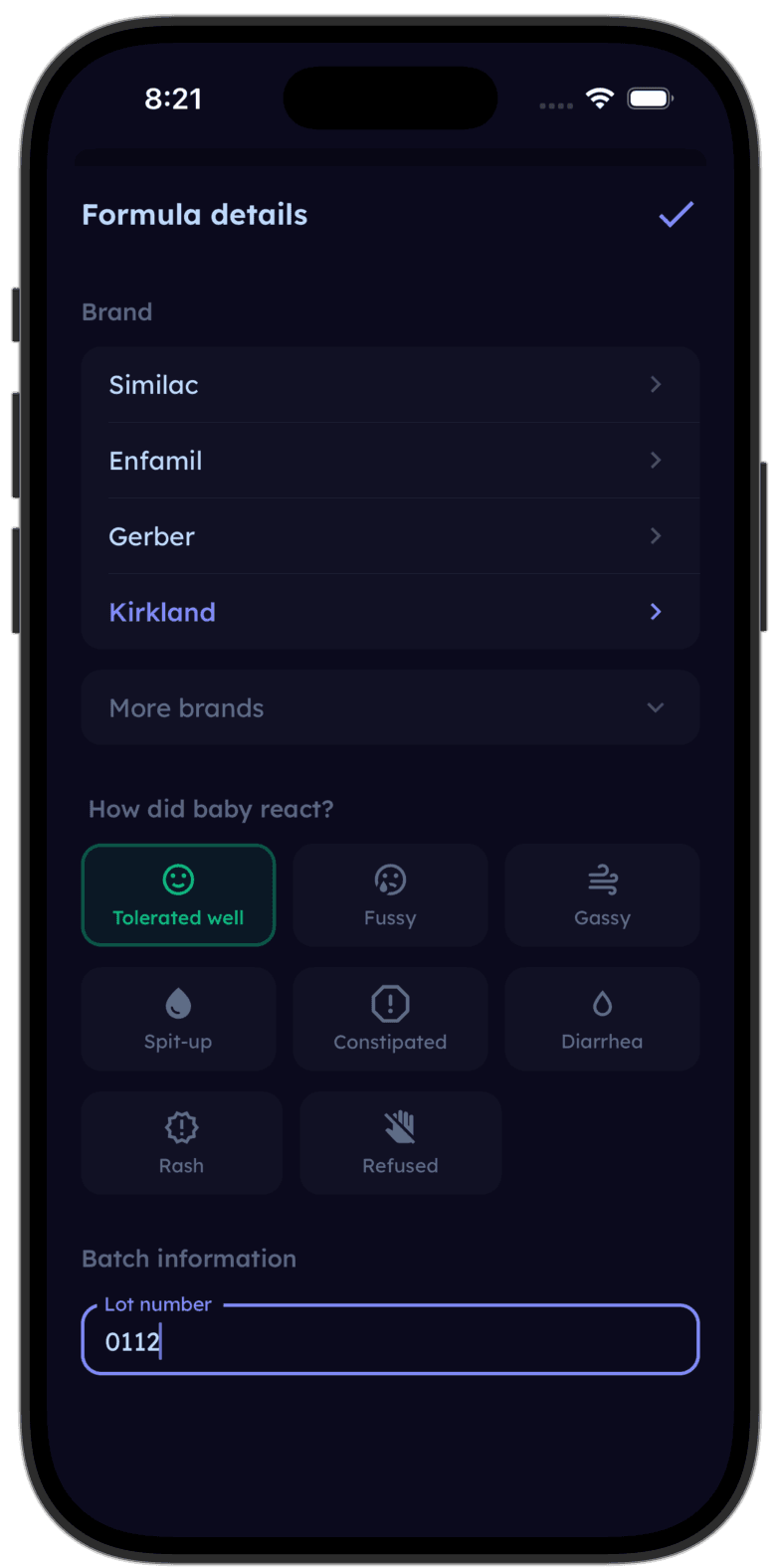
tinylog helps you track feeds and symptoms — so your pediatrician visit is more productive.

When you're managing CMPA, having a clear record of feeds, symptoms, and how your baby is responding to formula changes makes a real difference. Log it in seconds, review it before appointments.

Download on the App StoreGet It On Google Play

What the Marketing Doesn't Tell You

The hypoallergenic formula market is smaller but highly profitable. Here's what the marketing on both sides doesn't always make clear:

Most "gentle" and "sensitive" formulas are NOT hypoallergenic. If your baby has true CMPA, switching to Similac Sensitive, Enfamil Gentlease, or any "comfort" formula will not help. These formulas are partially hydrolyzed at best — the protein fragments are still large enough to trigger an immune response. They're designed for mild digestive discomfort, not for milk protein allergy. If your pediatrician says your baby needs a hypoallergenic formula, they mean Alimentum, Nutramigen, or an amino acid-based formula. Not "gentle."

CMPA is less common than you'd think. About 2-3% of infants have cow's milk protein allergy. Yet hypoallergenic formula is one of the fastest-growing segments of the formula market. A lot of babies are on hypoallergenic formula who don't actually need it — often because general fussiness, normal spit-up, or colic was attributed to a milk allergy without proper diagnostic evaluation. This matters because hypoallergenic formula costs 2-3x more and doesn't taste as good. If your baby doesn't have CMPA, they're getting an expensive, less palatable formula for no benefit.

The probiotic advantage of Nutramigen is real but overstated. The LGG probiotic in Nutramigen has shown some promise in accelerating tolerance development, but the primary study was industry-funded, and the AAP hasn't changed its recommendations based on it. Both formulas are equally effective at managing CMPA symptoms in the short term. The LGG is a reasonable tiebreaker, not a decisive advantage.

Getting a proper diagnosis matters. Before switching to a $40/can formula, ask your pediatrician to evaluate whether your baby truly has CMPA. The gold standard is an elimination and challenge test — removing cow's milk protein and reintroducing it to confirm the reaction. Jumping straight to hypoallergenic formula based on symptoms alone can lead to unnecessary expense and a formula that's harder for your baby to accept.


Signs That Suggest True CMPA

  • Blood or mucus in stool — the most definitive sign of CMPA
  • Persistent vomiting (not normal spit-up — forceful, frequent, distressing)
  • Chronic diarrhea or very watery stools
  • Eczema that doesn't respond to standard treatment
  • Significant discomfort during or immediately after feeding
  • Poor weight gain or weight loss despite adequate intake volume
  • Persistent nasal congestion or wheezing (less common, but possible)

If your baby has one or more of these symptoms, talk to your pediatrician about CMPA evaluation. Blood in stool is the most suggestive sign and should always be evaluated.

Signs That Are Probably NOT CMPA

  • Normal spit-up (most babies spit up — it's usually not an allergy)
  • General fussiness or colic-like behavior (only 2-3% of fussy babies have CMPA)
  • Occasional green stools (can be caused by many things besides CMPA)
  • Gassiness (all babies are gassy — it's rarely an allergy symptom on its own)
  • Wanting to eat frequently (this is normal infant behavior, not intolerance)
  • Not sleeping through the night (this is developmental, not dietary)

These are common infant behaviors that are often mistaken for CMPA. If these are your baby's only symptoms, a hypoallergenic formula is unlikely to help. Talk to your pediatrician before switching.

Making the Transition

Switching to a hypoallergenic formula is different from switching between standard formulas. Here's what to expect.

Expect the taste and smell to be different

Extensively hydrolyzed formula smells and tastes significantly different from standard formula. The hydrolysis process creates a bitter, almost metallic taste. This is normal. It's the protein being pre-broken-down, which is the entire point. Most babies who genuinely need it will accept it within a few days, especially if they're uncomfortable on standard formula.

Cold turkey is usually recommended

Unlike switching between standard formulas, the switch to a hypoallergenic formula is typically done immediately — not gradually. If your baby has CMPA, every feed of standard formula continues to cause a reaction. Your pediatrician will likely tell you to switch completely at the next feed.

Give it 2-4 weeks

GI symptoms usually improve within 3-5 days. Eczema may take 2-4 weeks. If you see no improvement after a full month, talk to your pediatrician — you may need an amino acid-based formula (like EleCare or PurAmino) for babies who can't tolerate even extensively hydrolyzed protein.

Track symptoms during the transition

This is one of those times when tracking really pays off. Note the date of the switch, log each feed, and record any symptoms (blood in stool, rash, vomiting, fussiness level). When you see your pediatrician at follow-up, having this data makes the conversation much more productive than trying to remember.

Don't mix with standard formula

If your baby has CMPA, even a small amount of intact cow's milk protein can trigger a reaction. Don't mix hypoallergenic formula with standard formula during the transition. It's all or nothing.

When to Talk to Your Pediatrician

Hypoallergenic formula should always be used under medical guidance. Talk to your pediatrician in these situations:

Before starting a hypoallergenic formula — to confirm the diagnosis and rule out other causes of your baby's symptoms. A proper evaluation can save you significant money and ensure your baby gets the right formula for their actual needs.

If symptoms don't improve after 2-4 weeks on extensively hydrolyzed formula — your baby may need an amino acid-based formula, or the symptoms may not be caused by CMPA at all.

If your baby refuses the formula consistently — while most babies accept hypoallergenic formula within a few days, some struggle. Your pediatrician can offer strategies or may suggest trying the other brand, as some babies have a preference.

If you need help with cost — your pediatrician can provide a letter of medical necessity for insurance coverage, document the need for WIC, or connect you with manufacturer assistance programs.

If you're wondering when to try reintroducing standard formula — most babies outgrow CMPA by age 1-2. Your pediatrician can guide a supervised reintroduction when the time is right. Don't attempt this on your own.

For more on how to tell whether your baby is eating enough on their new formula, see our guide on adequate intake signs. For a broader comparison of formula types, see our store brand vs. name brand formula guide.

The Bottom Line

Alimentum and Nutramigen are both excellent options for babies with confirmed CMPA. They use the same fundamental approach (extensively hydrolyzed casein), they both work for about 90% of CMPA cases, and they cost about the same (which is a lot).

If you want a probiotic with emerging evidence for faster tolerance development, Nutramigen's LGG is a reasonable differentiator. If your baby has fat malabsorption issues, Alimentum's MCT oil content may be an advantage. If neither of those factors applies, the choice comes down to which one your baby tolerates better — and you may need to try both to find out.

The most important thing is getting the diagnosis right first. If your baby genuinely has CMPA, either formula will help. If they don't, neither will — and you'll be spending triple on formula your baby doesn't need.

Related Guides

Sources

  • American Academy of Pediatrics — "Diagnosis and Management of Food Allergy." Pediatrics, 2010.
  • Berni Canani R, et al. "Extensively hydrolyzed casein formula containing Lactobacillus rhamnosus GG reduces the occurrence of other allergic manifestations in children with cow's milk allergy." Journal of Allergy and Clinical Immunology, 2017.
  • Koletzko S, et al. "Diagnostic approach and management of cow's-milk protein allergy in infants and children: ESPGHAN GI Committee practical guidelines." Journal of Pediatric Gastroenterology and Nutrition, 2012.
  • U.S. Food and Drug Administration — 21 CFR 107: Infant Formula Requirements
  • Vandenplas Y, et al. "Guidelines for the diagnosis and management of cow's milk protein allergy in infants." Archives of Disease in Childhood, 2007.
  • Abbott Nutrition — Similac Alimentum product specifications
  • Reckitt/Mead Johnson — Enfamil Nutramigen product specifications

This guide is for informational purposes only and is not a substitute for professional medical advice. If you suspect your baby has cow's milk protein allergy, please consult your pediatrician for proper diagnosis and treatment.

Get this guide in your inbox.
We'll email you this comparison so you have it ready for your next pediatrician visit or formula run.
Track symptoms and feeds during the transition.
Download tinylog free — log feeds and note symptoms so you can share clear data with your pediatrician.
Download on the App StoreGet It On Google Play