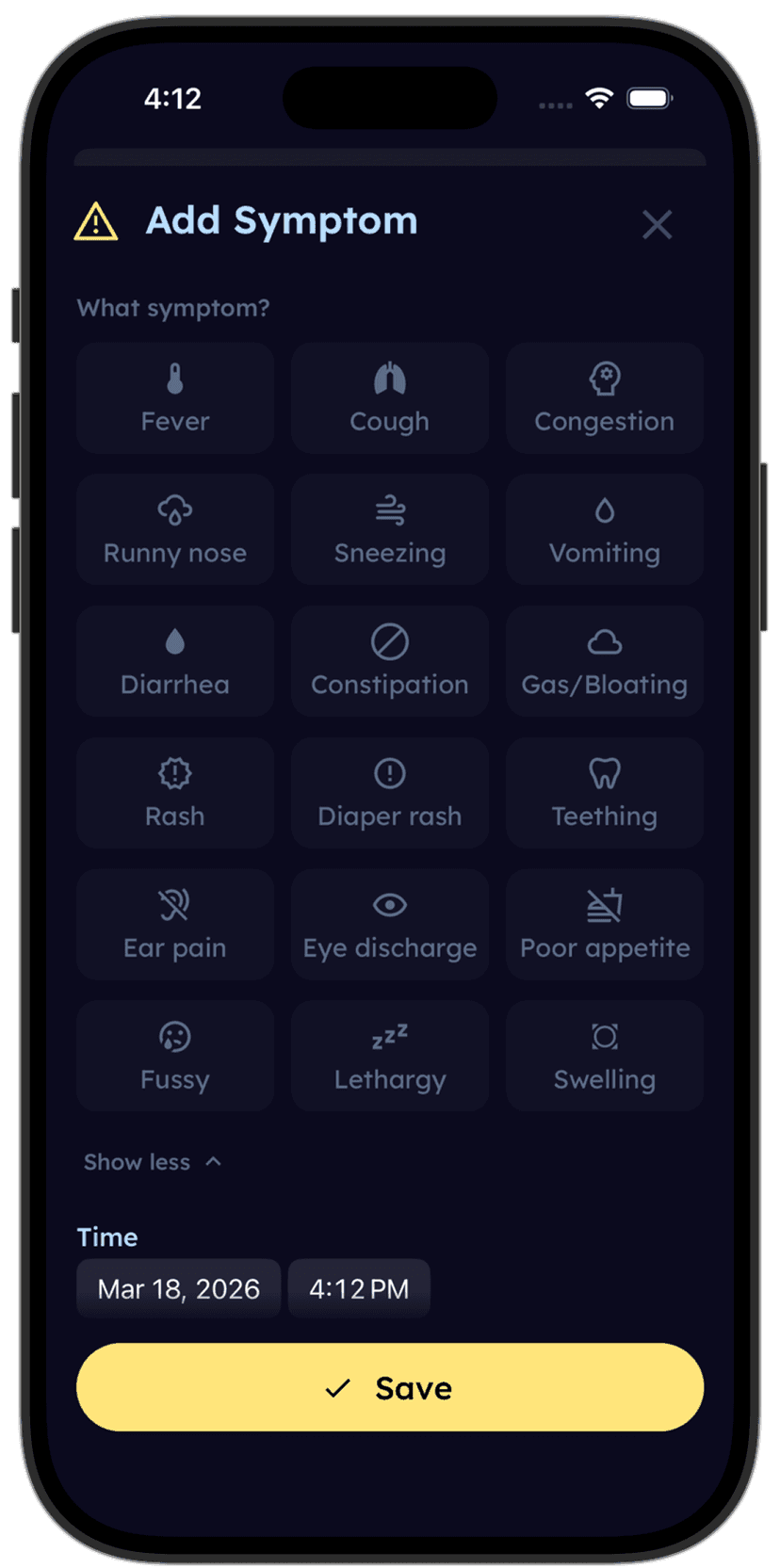
Teething is a developmental process, not a disease. Pediatricians see a lot of parents who are anxious about teething timing, and their most common message is: relax. Here is what they want you to know:
The range of normal is wider than you think. A first tooth anywhere from 4 to 15 months is normal. A baby with two teeth at 12 months and a baby with eight teeth at 12 months are both developing normally.
Late teething does not mean something is wrong. In the vast majority of cases, late teething is genetic. It is not caused by nutritional deficiencies and does not indicate developmental delay. The teeth are almost certainly there in the jaw, waiting to come through on their own schedule.
Teething symptoms are milder than the internet suggests. The evidence-supported symptoms of teething are gum discomfort, drooling, and the desire to chew. A baby with a 102°F fever, diarrhea, and a rash does not have "bad teething" — they need to be seen by a doctor.
Start dental care early. Do not wait until all 20 teeth are in to see a dentist. The first visit should happen by age 1. Early visits are mostly about establishing a relationship, checking development, and catching potential issues before they become problems.