
GUIDE
Woolino 4 Season Sleep Sack vs. Nested Bean Zen Sack
Published on
Both are well-made sleep sacks with very different approaches. Woolino uses merino wool for natural temperature regulation across all seasons. Nested Bean uses a lightly weighted design to mimic a parent's touch. Choose Woolino for year-round versatility and longevity. Choose Nested Bean for soothing a baby who needs that gentle pressure to settle.
These two sleep sacks solve different problems. Woolino's merino wool regulates body temperature so you never have to guess which TOG to use. Nested Bean's gently weighted pads on the chest and sides help startle-prone babies feel secure. Understanding what your baby actually needs — temperature comfort or calming pressure — is the key to picking the right one.
Log naps, bedtime, and wake windows
Two Sleep Sacks, Two Very Different Ideas
The Woolino 4 Season Ultimate Sleep Sack and the Nested Bean Zen Sack are both popular picks among parents — but they are solving completely different problems.
Woolino built its sack around merino wool, a fiber that naturally regulates body temperature. The idea is simple: one sleep sack, all year, no guessing about TOG ratings or layering. It fits from 2 months to 2 years, which means you buy it once.
Nested Bean built its sack around gentle weight. Small weighted pads on the chest and sides mimic the pressure of a parent's hand, helping babies with a strong startle reflex feel secure enough to stay asleep.
The right choice depends on what is actually waking your baby up. If it is temperature discomfort, Woolino. If it is the startle reflex or trouble self-soothing, Nested Bean.
For more on age-appropriate sleep patterns, check our 4-month-old sleep schedule.
| Feature | Woolino 4 Season | Nested Bean Zen Sack | What It Means |
|---|---|---|---|
| Primary material | Australian merino wool (inner), organic cotton (outer) | 100% cotton (outer and inner) | Woolino's merino wool is naturally thermoregulating. Cotton is breathable but does not actively manage temperature. |
| Key design feature | 4-season temperature regulation — one sack year-round | Lightly weighted pads on chest and sides (CalmingWeight) | Completely different approaches. Woolino solves temperature. Nested Bean solves soothing. |
| TOG rating | ~1.5–2.0 TOG (merino self-regulates across a wide range) | ~0.5–1.0 TOG (varies by model — Classic vs. Premier) | Woolino covers a wider temperature range with a single sack. Nested Bean may need supplemental layers in cold rooms. |
| Weight on baby | No added weight — standard sleep sack design | Lightly weighted inserts (~3–5 oz total) on chest and sides | Nested Bean's gentle pressure helps startle-prone babies. Woolino relies on material comfort alone. |
| Size range | 2 months – 2 years (one size) | Small (0–6 months), Medium (6–15 months), Large (15–24 months) | Woolino's single size is a major convenience and cost advantage. Nested Bean requires repurchasing as baby grows. |
| Zipper design | Two-way inverted zipper (bottom-up for diaper changes) | Two-way zipper (top-down and bottom-up) | Both allow easy diaper changes without fully removing the sack. Comparable convenience. |
| Shoulder snaps | Adjustable shoulder snaps for sizing | Fixed shoulder design | Woolino's adjustable snaps help the single size fit across the full 2-month to 2-year range. |
| Machine washable | Yes — gentle/wool cycle, cold water | Yes — normal cycle | Both are easy to care for. Woolino needs a gentler cycle but holds up well over hundreds of washes. |
| Certifications | OEKO-TEX Standard 100, GOTS organic cotton | Meets CPSC safety standards | Woolino carries more third-party material certifications. Both meet US safety requirements. |
| Best for | Babies who need consistent temperature regulation across seasons | Babies with strong startle reflex who need calming pressure to settle | Different babies need different things. Match the sack to your baby's actual sleep challenge. |
The Material Difference: Merino Wool vs. Cotton
This is the core difference between these two products, and it matters more than most parents realize.
Merino wool is not the scratchy wool your grandparents wore. It is an ultrafine fiber that actively wicks moisture away from skin and releases it into the air. When your baby is warm, merino pulls heat away. When your baby is cool, the fiber's natural crimp traps insulating air. This thermoregulation happens without any technology or batteries — it is just what the fiber does.
Cotton is breathable and soft, but it absorbs moisture and holds it. A cotton sleep sack in a warm room can feel damp against skin. In a cold room, cotton does not insulate as effectively as wool.
The practical result: parents who use the Woolino report fewer middle-of-the-night wake-ups related to temperature. They also stop stressing about which TOG rating to use, because the merino adjusts on its own. If your nursery temperature fluctuates — and most do between bedtime and early morning — this is a real advantage.
The Weighted Design: Does It Actually Work?
Nested Bean's signature feature is its CalmingWeight system — small weighted inserts sewn into the chest and side panels of the sleep sack. The total added weight is roughly 3 to 5 ounces, distributed across multiple pads rather than concentrated in one spot.
The idea is based on the concept of deep pressure stimulation, which has been shown to reduce anxiety and promote calm in adults and children. For babies, the gentle weight mimics the feeling of a parent's hand resting on their chest.
Does it work? There is no large-scale clinical trial specifically on weighted sleep sacks for infants. What exists is a lot of positive parent feedback and the underlying science of deep pressure. Many parents report that the Zen Sack helped their baby transition out of a swaddle more smoothly, especially babies who startled awake frequently.
It is worth noting that the AAP has not issued specific guidance on lightly weighted sleep sacks at these low weights. The Zen Sack meets all current CPSC safety standards. Always place your baby on their back in a bare crib with nothing else in the sleep space.
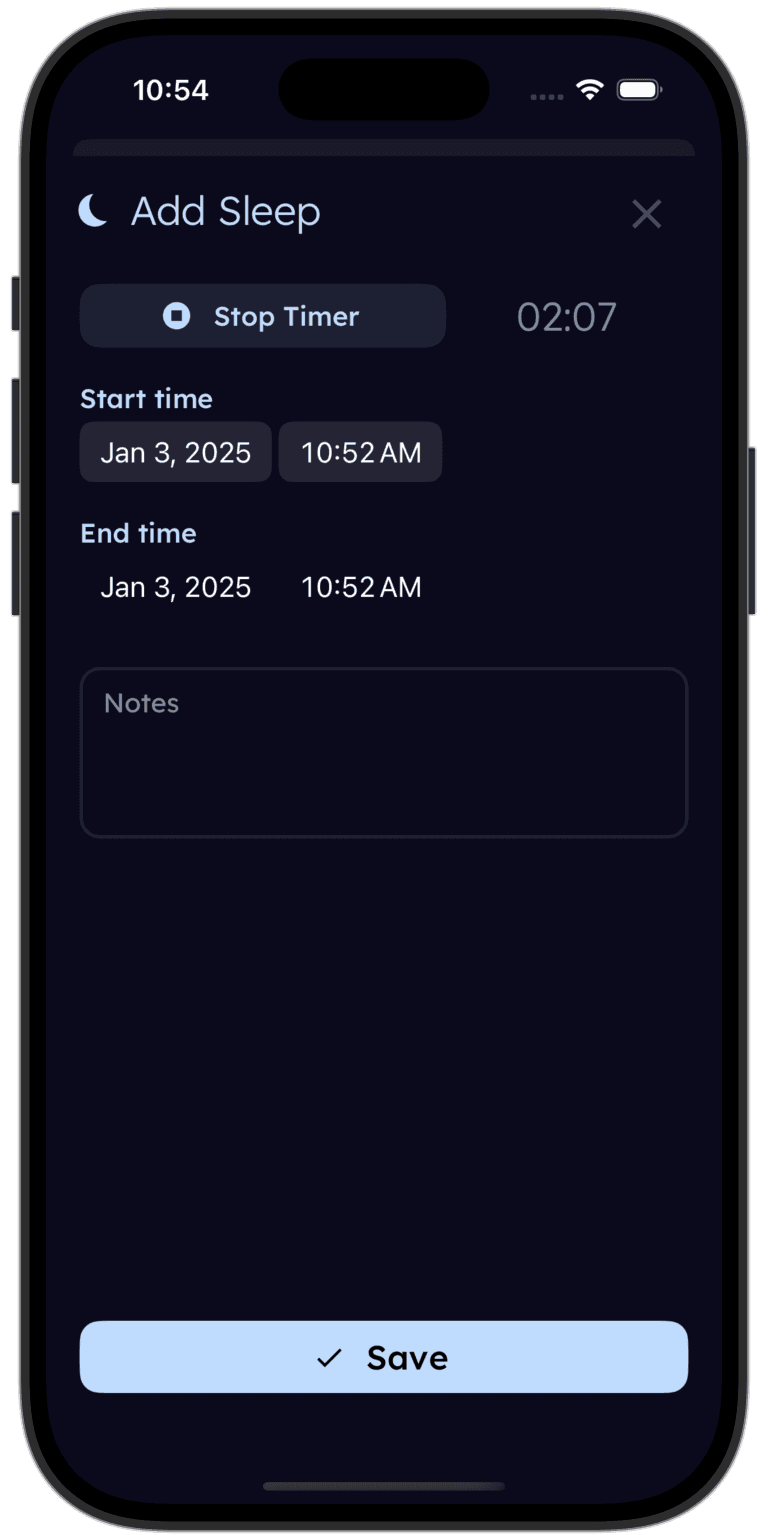
Tinylog tracks sleep so you can see what's working.
Log naps, bedtime, night wakes, and wake windows. See patterns over days and weeks. Bring the data to your next pediatrician visit.


Sizing and Longevity: One Purchase vs. Three
This is where Woolino has a clear structural advantage.
The Woolino 4 Season Ultimate Sleep Sack fits babies from 2 months to 2 years using adjustable shoulder snaps and a roomy design. You buy it once, and barring damage, it lasts the entire sleep sack period. Many parents report using the same Woolino for a second child.
The Nested Bean Zen Sack comes in three sizes: Small (0–6 months), Medium (6–15 months), and Large (15–24 months). Each size costs $36–$42, meaning you will likely spend $72–$126 to cover the same age range that one Woolino covers for $89–$99.
If upfront cost is your main concern, the Nested Bean's lower per-purchase price is easier to swallow. But if you think in terms of total cost over the full sleep sack period, Woolino is the more economical choice.
| Product | Typical Price | Cost Per Month | Notes |
|---|---|---|---|
| Woolino 4 Season Ultimate Sleep Sack (2mo–2yr) | $89–$99 | ~$4–$5 (over 22 months of use) | One purchase covers the full sleep sack period. No resizing needed. |
| Nested Bean Zen Sack — Small (0–6 months) | $36–$42 | ~$6–$7 | Will need Medium and possibly Large as baby grows. |
| Nested Bean Zen Sack — Medium (6–15 months) | $36–$42 | ~$4–$5 | Second purchase for the same baby. |
| Nested Bean Zen Sack — Full set (S + M + L) | $108–$126 total | ~$4.50–$5.25 (over 24 months) | Total cost across all sizes is higher than one Woolino. |
Temperature and Nursery Conditions
Your nursery temperature should guide your sleep sack choice more than brand loyalty.
The AAP recommends keeping the nursery between 68°F and 72°F. At that range, both sleep sacks work well. But real nurseries are not perfectly climate-controlled. Temperatures drop overnight, rise in summer, and vary by room.
Woolino handles a nursery range of roughly 61°F to 77°F comfortably, thanks to merino wool's thermoregulation. You do not need to swap sacks seasonally or layer underneath.
Nested Bean works best in a narrower range. The Classic Zen Sack (~0.5 TOG) is better for warmer rooms (72°F+). The Premier version with thicker cotton is better for cooler rooms. You may need to layer a onesie underneath in winter or use a lighter bodysuit in summer.
If your home has good climate control and stays in the 68–72°F range year-round, either sack will work. If your nursery temperature swings, Woolino gives you more margin for error.
Choose Woolino If
- Your baby sleeps hot or cold and you are tired of guessing which TOG to use
- You want one sleep sack that lasts from 2 months to 2 years
- You live in a climate with significant seasonal temperature swings
- You prefer natural fibers and want merino wool's moisture-wicking properties
- You want to spend more upfront but less overall
- Your baby does not need extra soothing pressure to fall asleep
Choose Nested Bean If
- Your baby has a strong Moro (startle) reflex that wakes them up
- Your baby calms down with a hand on their chest or gentle pressure
- You want a lower upfront cost even if the total cost over time is higher
- Your baby recently transitioned out of a swaddle and misses that snug feeling
- You prefer a lighter-weight sleep sack for a warm nursery
- You want a standard cotton sack with a soothing bonus
Where to Buy
If temperature regulation and long-term value are your priorities, the Woolino 4 Season Sleep Sack (~$89–$99) is a single purchase that lasts from 2 months to 2 years. The merino wool genuinely performs across seasons, and the adjustable shoulder snaps mean you are not buying a new size every few months. It is a higher upfront cost that pays for itself.
If your baby needs help self-soothing after the swaddle transition, the Nested Bean Zen Sack (~$36–$42 per size) offers that gentle weighted pressure many babies respond to. The lower entry price makes it easy to try, and if the weighted design clicks for your baby, it can be a game-changer for overnight sleep.
Our honest take: if you are unsure which problem to solve first, start with the Nested Bean (lower risk if it does not work out) and upgrade to the Woolino once you know your baby's sleep patterns.
Tinylog earns a small commission on purchases made through these links, at no cost to you.
Tip: check promo.new before purchasing. It's hit or miss depending on the product, but when it hits, you'll be glad you checked.
The Bottom Line
The Woolino 4 Season Ultimate Sleep Sack and the Nested Bean Zen Sack are both well-made products that parents genuinely love. They just do different things.
Woolino wins on temperature regulation, single-size longevity, natural materials, cost over time, and simplicity. Buy it if your baby wakes up sweaty or cold, or if you want one sleep sack that handles every season.
Nested Bean wins on soothing design, swaddle transition support, lower upfront cost, and comfort for startle-prone babies. Buy it if your baby needs that gentle pressure to settle and stay asleep.
There is no wrong choice here. The right sleep sack is the one that addresses what is actually disrupting your baby's sleep. If you are tracking sleep patterns — and you should be, especially during transitions — Tinylog makes it easy to log naps, bedtime, night wakes, and see whether a new sleep sack is making a measurable difference.
Related Guides
- 4-Month Sleep Regression — What it is, how long it lasts, and how to survive it
- Baby Fighting Sleep — Why it happens and what to do
- 6-Month-Old Sleep Schedule — Nap transitions, wake windows, and bedtime
- Sleep Regression vs. Sleep Problem — How to tell the difference
Sources
- Woolino.com. "4 Season Ultimate Baby Sleep Bag — Product Information." 2026.
- NestedBean.com. "Zen Sack — Product Information and Safety Testing." 2026.
- American Academy of Pediatrics. "Safe Sleep: Recommendations for Reducing Infant Deaths." healthychildren.org, 2024.
- International Wool Textile Organisation. "Merino Wool and Thermoregulation in Infants." iwto.org, 2023.
- Chen, H-Y et al. "Physiological Effects of Deep Pressure on Anxiety." Journal of Medical and Biological Engineering, 2013.
- Consumer Reports. "Best Sleep Sacks and Wearable Blankets." consumerreports.org, 2026.
- Mommyhood101. "Best Baby Sleep Sacks of 2026, Tested & Reviewed." mommyhood101.com.
This guide is for informational purposes only. Always follow the AAP's safe sleep guidelines. If your baby has persistent sleep difficulties, consult your pediatrician.
Frequently asked questions
- Is the Woolino 4 Season Sleep Sack worth the higher price?
- It depends on how long your baby will use it. The Woolino fits from 2 months to 2 years, which means you buy one sleep sack instead of multiple sizes and TOG ratings. Over that span, it often costs less than buying several cheaper sleep sacks. The merino wool also regulates temperature naturally, so you skip the guessing game of which weight to use each night.
- Is the Nested Bean Zen Sack safe for newborns?
- Yes. The Zen Sack meets all CPSC safety standards and the weighted inserts are under the AAP-recommended thresholds. The weight is distributed across small pads on the chest and sides, not concentrated in one spot. Always follow safe sleep guidelines — place baby on their back in a bare crib with only the sleep sack.
- Can I use a Woolino sleep sack in summer?
- Yes. Merino wool is thermoregulating, meaning it wicks moisture when your baby is warm and insulates when your baby is cool. Many parents use the Woolino year-round in climate-controlled homes. If your nursery consistently exceeds 76°F, a lighter option may be more comfortable.
- Does the weighted design in the Nested Bean actually help babies sleep?
- Many parents report it helps, especially for babies with a strong Moro (startle) reflex. The gentle pressure mimics the feeling of a hand on the chest. Clinical evidence is limited, but parent satisfaction is high. It works best for babies who calm down with touch and pressure.
- Which sleep sack is better for a baby who runs hot?
- Woolino. Merino wool actively wicks moisture and releases heat, keeping hot sleepers more comfortable than cotton or polyester blends. The Nested Bean Zen Sack uses cotton, which absorbs moisture but does not actively regulate temperature the same way.
- Can I wash both sleep sacks in a regular washing machine?
- Yes. The Woolino is machine washable on a gentle or wool cycle with cold water — no special detergent needed, though wool-safe detergent extends its life. The Nested Bean Zen Sack is machine washable on a normal cycle. Both should be tumble dried on low or air dried.