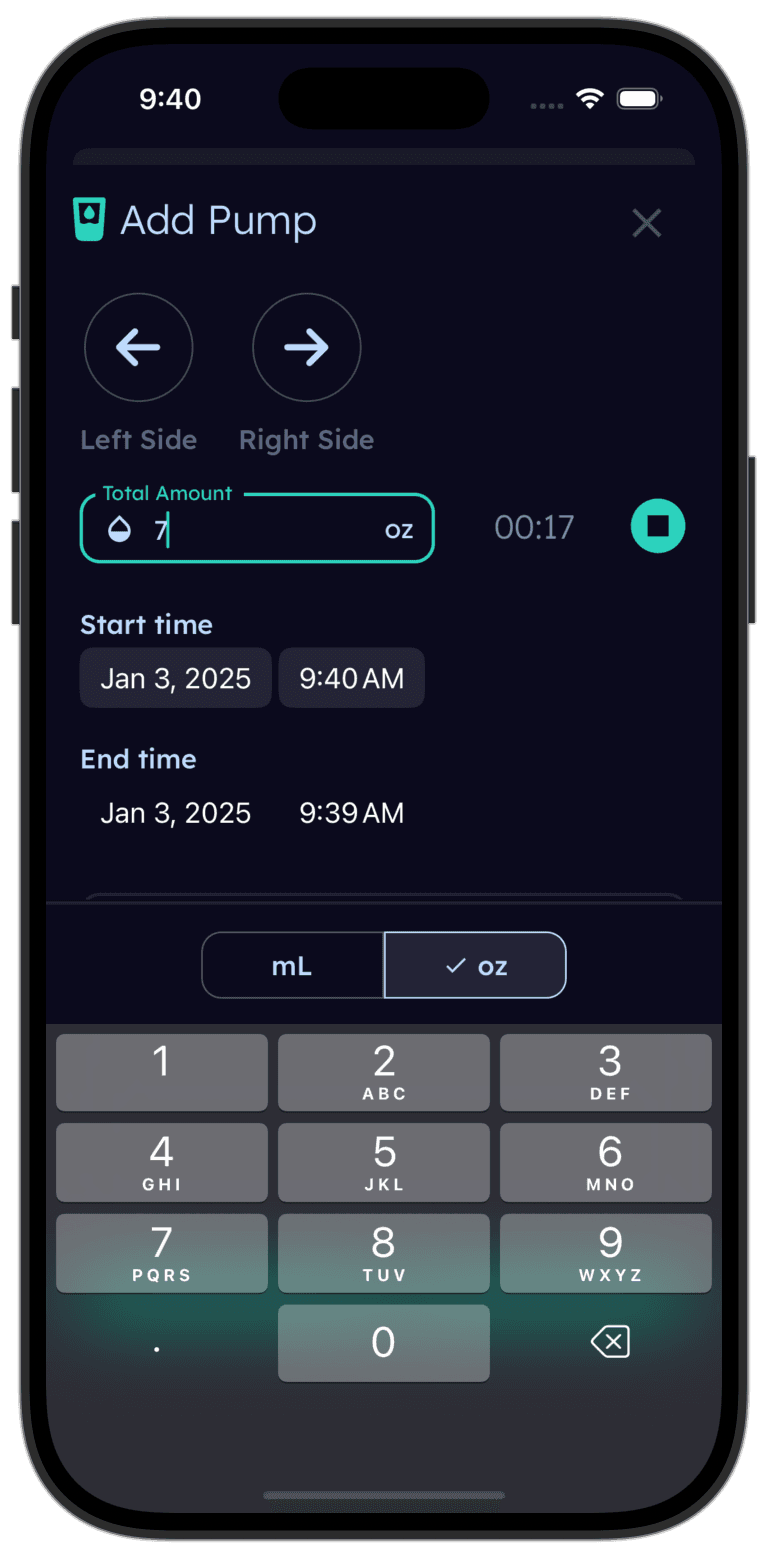
Exclusive pumping (EP) is often treated as a backup plan or a compromise. In reality, it's a deliberate, demanding choice that delivers the same milk through a different method. About 6% of US mothers exclusively pump, and the number is likely higher when you include mothers who pump most feeds with occasional nursing.
The reasons mothers EP are varied: baby couldn't latch due to anatomy (tongue-tie, cleft palate), NICU stay separated mother and baby during the critical latch-learning window, painful breastfeeding that didn't resolve with intervention, or simply a preference for the control and visibility that pumping provides. None of these reasons are failures. They're circumstances.
What doesn't get discussed enough is the sheer workload. Direct breastfeeding takes one step: baby latches, feeds, done. Exclusive pumping takes four: pump, store/prepare milk, bottle-feed baby, wash pump parts and bottles. A 2019 study in the Journal of Human Lactation found that EP mothers spent an average of 5-7 hours per day on pumping-related activities — more total time than direct breastfeeding mothers. That's a second job.